
How Quality Replacement Parts Reduce Construction Downtime
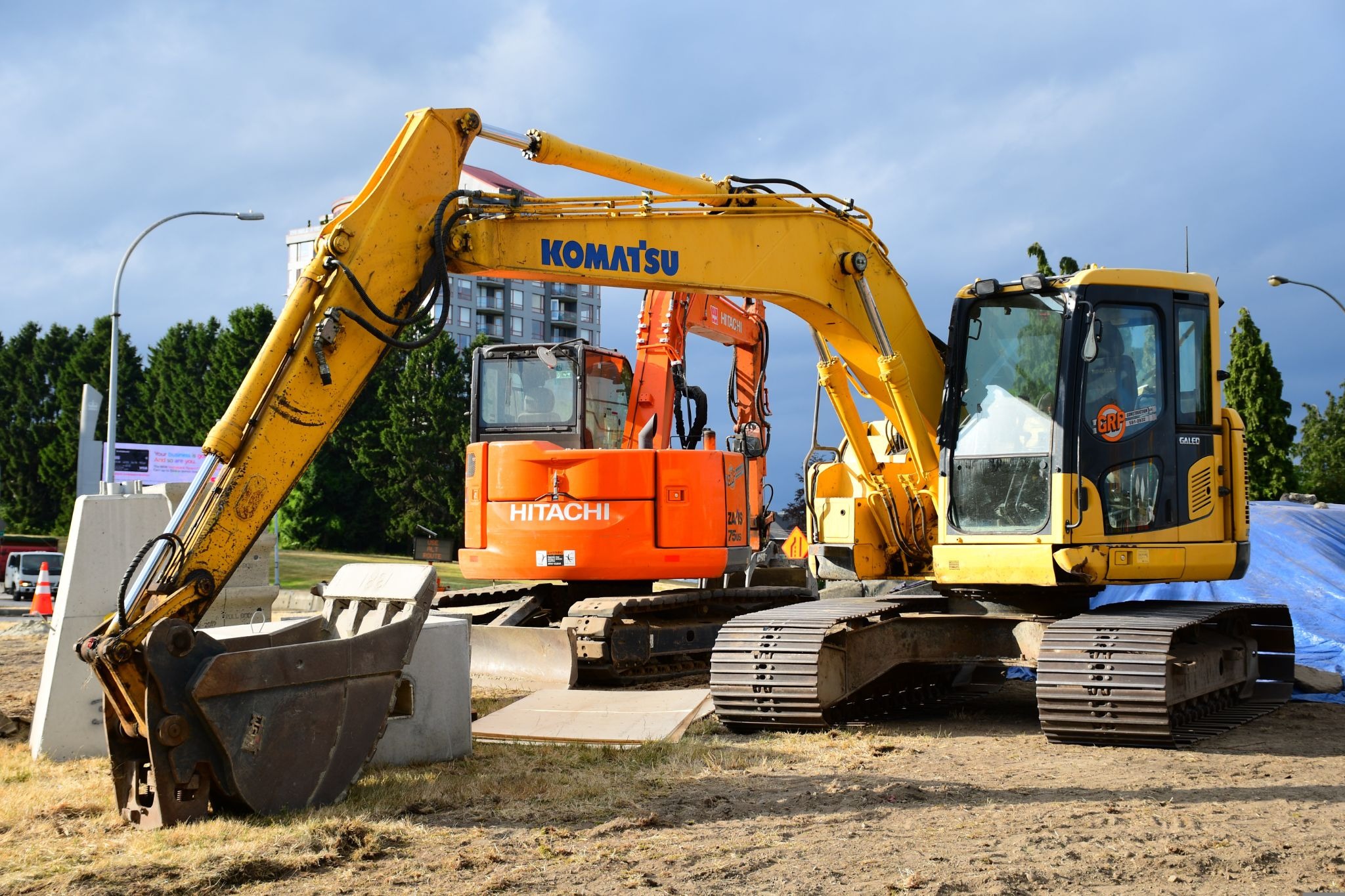
Construction equipment is expected to perform reliably under demanding conditions, whether it is moving heavy materials, digging foundations, or handling loads across busy job sites. Excavators, loaders, forklifts, and skid steers often operate for long hours, making regular maintenance essential for keeping projects on schedule. Even a single failed component can bring an entire machine to a halt, leading to costly delays and reduced productivity.
One way to minimize these interruptions is by sourcing compatible construction machine parts that match the equipment’s specifications. Identifying the correct replacement part before installation helps reduce fitment issues and supports efficient repairs, allowing machines to return to service with minimal downtime.
Why Downtime Is So Costly
Every hour that construction equipment remains out of service affects project timelines, labor efficiency, and operating costs. A machine waiting for repairs can delay multiple tasks, especially when it is responsible for essential activities such as excavation, material handling, or site preparation.
Unexpected downtime also increases expenses beyond the repair itself. Contractors may need to rent replacement equipment, reschedule crews, or postpone project milestones, making preventive maintenance a more cost-effective approach than emergency repairs.
The Importance of Quality Replacement Parts
Quality replacement parts are designed to meet the specifications required for proper operation. Components that fit correctly help maintain system performance while reducing unnecessary stress on surrounding parts.
Using poorly matched components may result in premature wear, leaks, vibration, or additional mechanical problems. Selecting reliable replacement parts improves equipment reliability and reduces the likelihood of repeated repairs.
Equipment That Benefits from Preventive Maintenance
Excavators and Loaders
Excavators and loaders perform demanding tasks that place continuous stress on engines, hydraulic systems, drivetrains, and cooling components. Routine inspections help identify worn parts before they fail during operation.
Replacing filters, seals, bearings, pumps, and other wear items at recommended service intervals allows these machines to continue operating efficiently while reducing the risk of unexpected breakdowns.
Forklifts and Skid Steers
Forklifts and skid steers often operate in environments where frequent starts, stops, lifting cycles, and tight maneuvering place additional demands on mechanical components.
Regular maintenance of engines, transmissions, axles, hydraulic systems, and cooling systems helps maintain consistent performance while reducing costly interruptions caused by component failures.
Correct Part Identification Prevents Mistakes
One of the most common causes of repair delays is ordering the wrong replacement part. Even machines that appear identical may use different components depending on the production year, engine model, or equipment configuration.
Using the equipment model, engine serial number, and OEM part number whenever possible helps identify compatible replacement parts accurately. This reduces installation issues and prevents unnecessary delays caused by returning incorrect components.
Common Components That Require Replacement
Over time, normal wear affects many parts throughout construction equipment. Some of the most commonly replaced components include:
- Oil filters
- Fuel filters
- Air filters
- Water pumps
- Oil pumps
- Gasket sets
- Bearings
- Pistons and piston rings
- Cylinder heads
- Crankshafts
- Camshafts
- Alternators
- Starters
- Thermostats
- Hydraulic seals
- Transmission components
- Axle components
Replacing these parts before complete failure contributes to better machine reliability and helps avoid expensive repairs.
The Value of Preventive Maintenance
Preventive maintenance focuses on servicing equipment before problems become serious. Scheduled inspections make it easier to identify fluid leaks, worn bearings, damaged hoses, loose fasteners, or unusual noises that could indicate developing mechanical issues.
Keeping detailed maintenance records also simplifies future servicing. Recording engine numbers, part numbers, and previous repairs helps technicians quickly identify compatible replacement parts when maintenance is required.
Choosing Compatible Replacement Parts
Compatibility is just as important as part quality. Installing a component that does not match the equipment’s specifications can reduce performance, create additional wear, or require the repair to be repeated.
Verifying engine numbers, transmission models, axle identification, and OEM part numbers before ordering replacement components improves repair accuracy and helps keep construction equipment operating reliably.
Conclusion
Reducing downtime begins with a proactive maintenance strategy and the use of properly matched replacement components. Excavators, loaders, forklifts, and skid steers all depend on reliable parts to perform demanding tasks safely and efficiently throughout their service life.
Routine inspections, accurate part identification, and timely replacement of worn components help prevent unexpected breakdowns and costly project delays. By investing in quality construction machine parts and following preventive maintenance practices, equipment owners can improve machine reliability, extend service life, and keep construction projects moving forward with fewer interruptions.