Why Your Furnace Runs but Your Home Stays Cold: A Practical 2026 Troubleshooting Guide
Table Of Contents
- Why A Running Furnace May Not Warm The Home
- Safe Checks To Try First
- Common Causes Of Poor Heating
- How Airflow Affects Comfort
- The Role Of Ducts, Vents, And Heat Loss
- Furnace Safety Warning Signs
- Repair Or Replacement Questions
- A Simple Furnace Care Plan
- Frequently Asked Questions
A furnace that seems to run nonstop while the house stays chilly can be frustrating, expensive, and sometimes unsafe. The issue may be as simple as a thermostat setting or a clogged air filter, but it can also point to an ignition failure, airflow restriction, duct leak, or safety shutdown. If basic checks do not restore dependable heat, an expert furnace repair company in Tyler Texas, can identify the underlying problem without guesswork.
The key is to distinguish between air moving through the vents and the furnace actually producing enough heat. A blower can operate even when burners are not staying lit, a safety control shuts off the heat, or warm air is being lost before it reaches the rooms that need it.
Why A Running Furnace May Not Warm The Home
When a furnace starts, it usually begins with a short sequence before warm air reaches the vents. The system may first verify safe venting, ignite the burners, warm the heat exchanger, and then turn on the blower. A brief cool draft during startup can be normal. Constant room-temperature or cold air is not.
Common clues include weak airflow, a few cold rooms, lukewarm supply air, unusually long heating cycles, or utility bills that rise without a major change in weather or thermostat settings. In some homes, the furnace produces heat, but it escapes through duct leaks, poor insulation, or exterior air leaks faster than the system can replace it.
Safe Checks To Try First
Before calling for service, complete only checks that do not require opening the furnace cabinet, handling wiring, or touching gas components:
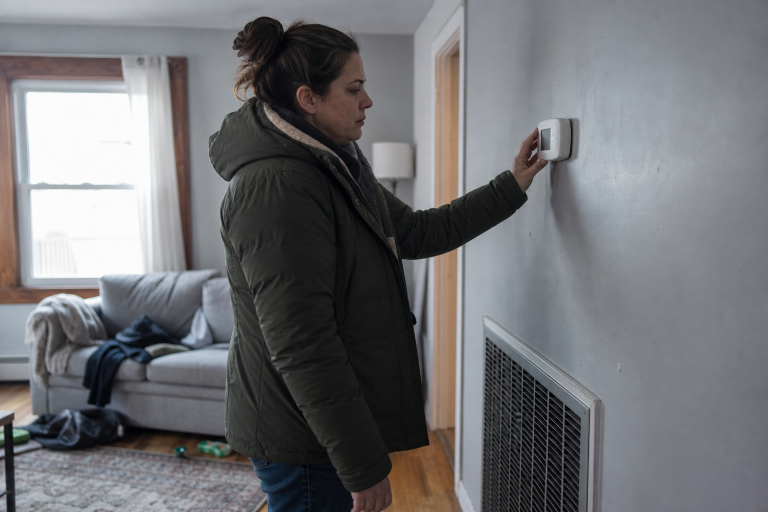
- Confirm the thermostat is set to Heat and the target temperature is above the room temperature.
- Set the fan to Auto. A fan set to On can keep circulating unheated air between heating cycles.
- Replace weak thermostat batteries, if your thermostat uses them.
- Check the electrical panel for a tripped breaker and verify the furnace service switch is on.
- Inspect the filter and replace it if it looks heavily dusty or clogged.
- Open supply vents and keep return grilles free of furniture, rugs, boxes, and curtains.
- Look from the outside for obvious leaves, ice, nests, or debris around the furnace intake and exhaust pipes.
Stop troubleshooting immediately if you smell gas, notice smoke, soot, sparking, or a strong electrical burning odor, or if a carbon monoxide alarm activates.
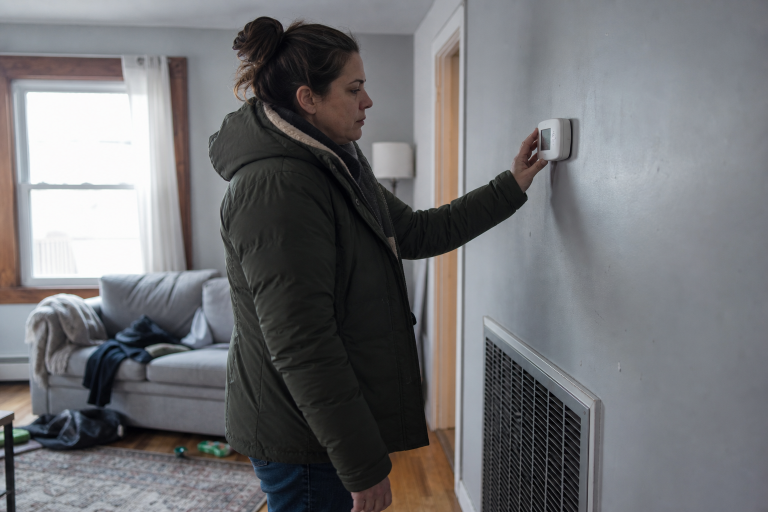
Common Causes Of Poor Heating
Dirty Or Incorrectly Installed Filter
A clogged filter restricts the air returning to the furnace. That can reduce airflow at the vents, make the blower work harder, and contribute to overheating. In some cases, overheating causes a safety limit switch to shut off the burners while the blower continues to run. The U.S. Department of Energy explains that dirty filters can reduce airflow and increase run time, motor wear, and energy use. Review its HVAC filter installation guidance for helpful basics.
Thermostat Problems
A thermostat may be in the wrong mode, have weak batteries, read temperatures inaccurately, or sit in a poor location. A thermostat near a sunny window, exterior door, kitchen, or supply vent may react to a temperature that does not reflect the rest of the house. If the display seems inaccurate, compare it with a reliable room thermometer placed nearby.
Ignition, Flame, Or Safety Control Issues
A gas furnace can begin its startup sequence but fail to keep the burners lit. A dirty flame sensor, a faulty igniter, a gas delivery issue, or a venting problem may cause a shutdown. Blower motor trouble and high-limit switch problems can create similar symptoms. These are professional repair issues because they involve combustion, gas, electricity, and factory safety controls.
Blocked Exhaust Or Condensate Drain
High-efficiency furnaces often use plastic intake and exhaust piping and produce condensation during operation. A blocked exterior vent or backed-up drain can trigger a protective lockout. Check only for visible outdoor obstructions, then consult the owner’s manual or schedule service rather than attempting an internal repair.
How Airflow Affects Comfort
Strong air from one vent does not prove the whole heating system is balanced. Closed vents, blocked returns, dirty indoor components, undersized return ducts, and blower problems can all cause uneven temperatures. Compare airflow from several supply vents, especially in the coldest and farthest rooms.
Keep in mind that closing many vents is rarely a reliable way to force more heat into one area. It can increase static pressure in the duct system and reduce overall airflow. Instead, remove obstructions and ensure interior doors are not blocking return air from circulating back to the furnace.
The Role Of Ducts, Vents, And Heat Loss
The furnace may be working correctly while the delivery system is not. Loose duct connections, crushed flexible ducts, missing insulation, or leaks in an attic, crawlspace, or garage can waste heated air before it reaches living spaces. Drafty windows, unsealed doors, and insufficient attic insulation can also make a home feel cold despite long furnace cycles.
Signs The Problem May Be In The Duct System
- One wing, floor, or distant bedroom is consistently colder than the rest of the home.
- Airflow is weak at vents farthest from the furnace.
- Rooms improve when interior doors remain open.
- You hear whistling, rattling, popping, or rushing air in hidden ducts.
- Heating costs rise while comfort declines.
Furnace Safety Warning Signs
Safety comes before comfort. Carbon monoxide is odorless and invisible, and malfunctioning or improperly vented fuel-burning equipment can create dangerous conditions. The Environmental Protection Agency provides practical carbon monoxide safety information, including symptoms and steps to take after an alarm.
- Leave the home and seek emergency help if a carbon monoxide alarm sounds or if anyone feels dizzy, weak, confused, nauseated, or faint.
- Do not use matches, lighters, electrical switches, or appliances if you smell gas.
- Turn off the furnace only if it is safe to do so, then contact the gas utility or emergency service as appropriate.
- Do not operate equipment that produces smoke, visible soot, or repeated burning odors.
- Test carbon monoxide alarms regularly and keep them near sleeping areas and on each level of the home.
Repair Or Replacement Questions
A repair is often sensible when the furnace has a clear, isolated problem and otherwise operates safely. Consider replacement more seriously when failures recur, parts are difficult to obtain, repair costs are substantial, or the system no longer meets the home’s heating needs. Ask a technician about the furnace’s age, the specific failed part, expected reliability after repair, duct condition, and whether sizing or efficiency improvements would address persistent comfort problems.
A Simple Furnace Care Plan
Monthly Tasks
- Check the air filter and replace it as needed.
- Keep supply vents and return grilles clear.
- Listen for new rattles, squeals, or repeated clicking.
- Watch for short cycling, uneven temperatures, or reduced airflow.
Seasonal Tasks
- Schedule a professional inspection before heavy winter use.
- Test carbon monoxide alarms and replace batteries when required.
- Clear visible debris from outdoor furnace vent openings.
- Inspect weatherstripping around doors and windows.
- Follow the furnace manufacturer’s model-specific maintenance instructions.
Frequently Asked Questions
Why Is My Furnace Running But Only Blowing Cool Air?
Possible causes include the fan set to On, a dirty filter, ignition trouble, a flame sensor issue, blocked venting, or a safety lockout. Start with thermostat, filter, and vent checks. If the problem continues, arrange a professional diagnosis.
How Long Should A Furnace Run During Cold Weather?
Longer cycles can be normal during a severe cold. However, constant operation combined with falling indoor temperatures, weak airflow, or cool vent air indicates that the system or the home’s heat delivery needs attention.
Can A Dirty Filter Make A House Feel Cold?
Yes. Restricted airflow can limit heat delivery and may cause overheating, which can shut off the burners before the thermostat setting is reached.
Should I Reset My Furnace?
One reset after a power interruption may be reasonable if the owner’s manual allows it. Repeated resets can conceal a more serious fault, so a qualified technician should inspect recurring shutdowns
Final Takeaway
A furnace that runs without warming the house is sending a useful warning. Start with safe checks involving the thermostat, filter, vents, and visible outdoor piping. If heat still does not return, or any gas, electrical, smoke, soot, or carbon monoxide warning appears, stop and seek professional help. Prompt attention can protect household comfort, energy costs, and safety.