
Chicago Sellers Guide Matching Your Property’s Condition and Timeline to the Right Selling Path
Key Takeaways
- Chicago homeowners can sell through a traditional listing, a private transaction, or a direct cash sale.
- The largest offer is not necessarily the best outcome once repair costs, selling expenses, and time are considered.
- Property condition, buyer financing, title work, and contract terms can influence the closing timeline.
- Older homes, condos, two-flats, and estate properties often require different preparation and documentation.
- Every seller should compare written offers, proof of funds, contingencies, and expected net proceeds.
Selling a home in Chicago, Illinois, involves more than picking an asking price. Your property’s condition, location, financial obligations, and preferred moving date can all affect which selling path makes the most sense. Homeowners exploring a direct-sale option can begin by reviewing https://www.braddockinvestmentgroup.com/ alongside other available approaches.
A strong plan starts with realistic priorities. Some sellers want the broad exposure and potential upside of a traditional listing. Others need to avoid repairs, simplify an inherited-property sale, or close on a schedule that fits a relocation, tenant change, or financial deadline.
What Chicago Sellers Should Consider
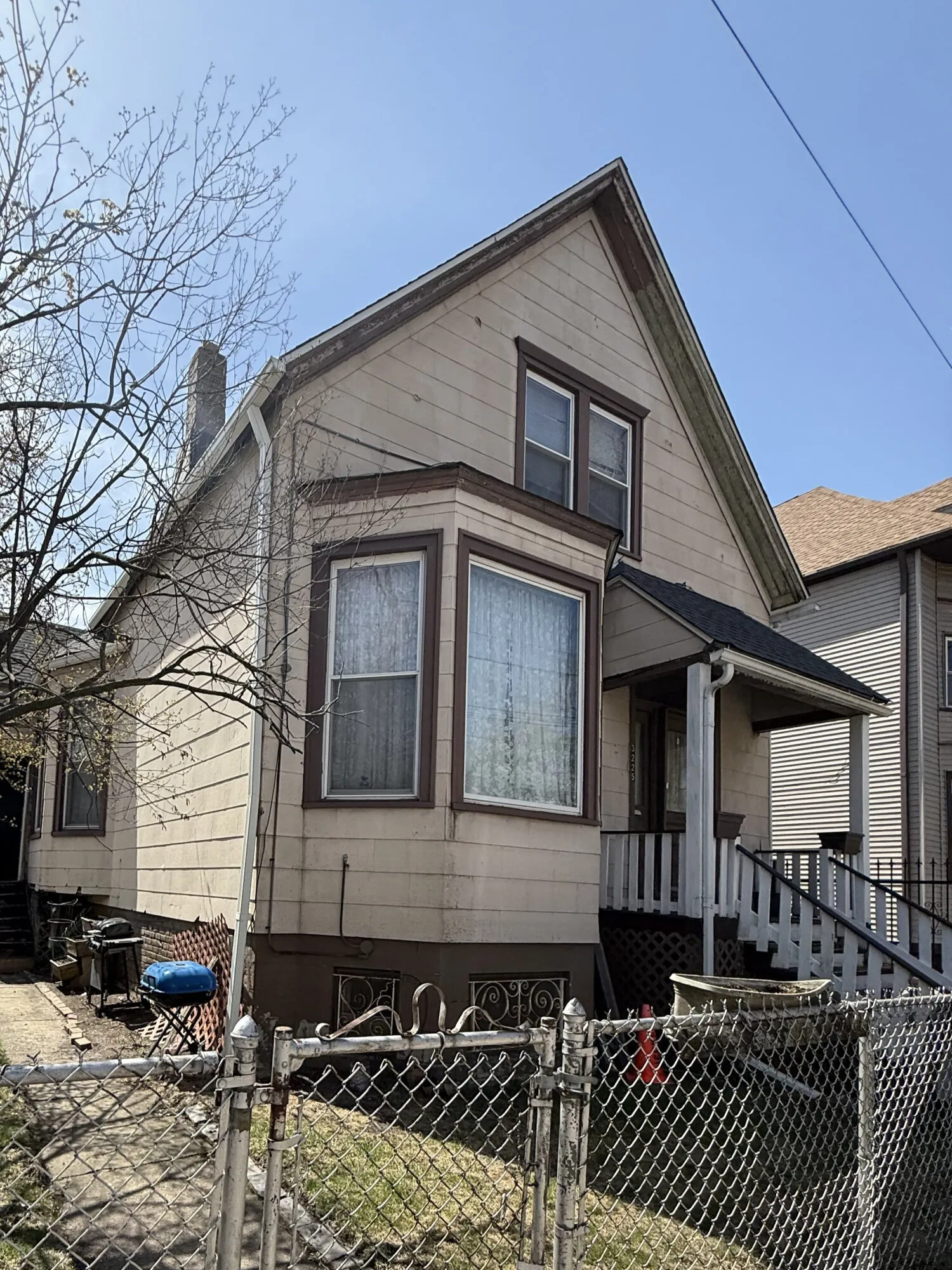
Chicago is not one uniform housing market. A well-kept condo near transit may attract a different audience than a brick bungalow on the Northwest Side, a two-flat with rental income, or a vacant house requiring extensive work. Neighborhood appeal, parking, lot size, building condition, association requirements, and nearby amenities all help shape buyer interest.
For owners who want a straightforward as-is conversation before investing in cleanup or renovations, https://www.braddockinvestmentgroup.com/ is one place to consider when comparing a direct offer with a conventional sale. The useful comparison is not simply “cash versus listing.” It is the likely final proceeds, work required, time involved, and certainty of closing for each path.
The Main Ways to Sell a Chicago Home
Most Chicago sellers choose one of three routes. Each has advantages, tradeoffs, and different responsibilities for the owner.
- Traditional listing: A licensed real estate professional markets the home to a wide buyer pool, coordinates showings, and helps manage offers.
- Private sale: The owner negotiates directly with an individual buyer, investor, relative, or other known contact.
- Direct cash sale: A buyer offers to purchase without relying on a mortgage lender’s approval, often with fewer preparation steps.
A listing can provide broad market exposure. A private transaction can offer direct control over negotiations. A cash sale can reduce financing uncertainty, although sellers should still review the buyer, contract, title process, and final expenses carefully.
When a Traditional Listing Fits
A traditional listing may fit a seller whose home is in good repair, who has flexibility around moving dates, and who is comfortable preparing for photographs, showings, inspections, and appraisal. It can be especially useful when the property has features likely to appeal to owner-occupants, such as updated kitchens, usable outdoor space, finished living areas, or a desirable location.
Typical Listing Preparation
- Review recent comparable sales with a qualified professional.
- Address visible repair issues and safety concerns.
- Clean, declutter, and make the home presentable for buyers.
- Set an asking price that matches the home’s condition and local competition.
- Prepare for buyer inspections, lender appraisal, and follow-up negotiations.
The highest bid is not always the strongest bid. A lower offer with solid financing, limited contingencies, and a workable closing date may present less risk than a higher offer, dependent on a difficult appraisal, extensive repair requests, or an uncertain loan approval.
When a Direct Cash Sale Fits
A direct cash sale can be practical for sellers who value speed, privacy, or a simpler process. Common situations include inherited homes, vacant properties, landlord-owned units, houses with deferred maintenance, properties with substantial clutter, and homes affected by roof, plumbing, electrical, foundation, or water-related concerns.
The tradeoff is straightforward. An as-is cash offer may be lower than the price a renovated home could potentially achieve after a full market listing. In return, the seller may avoid renovation projects, repeated showings, lengthy buyer-financing steps, and some of the holding costs that accumulate while a home remains unsold.
Comparing True Net Proceeds
Offer price should be the starting point, not the final decision. A practical calculation is: Estimated Net Proceeds = Sale Price minus Repairs minus Selling Costs minus Holding Costs minus Closing Expenses.
Build a separate estimate for every serious option. Include agent compensation or service fees, contractor work, cleaning, photography, moving, mortgage payments, utilities, insurance, taxes, maintenance, title-related charges, and attorney fees. Illinois sellers may also encounter transaction paperwork, including the Illinois Real Estate Transfer Declaration requirements that apply to recorded real estate transfers.
For example, a larger listed price can lose its advantage if the home needs costly work and takes months to sell. Conversely, accepting a lower direct offer may make financial sense if it eliminates a major repair, reduces monthly carrying costs, and provides a closing date the seller can rely on.
How Condition and Property Type Matter
Chicago’s housing stock includes masonry homes, vintage condos, greystones, bungalows, two-flats, and buildings with older mechanical systems. These characteristics are not automatic problems, but they can affect inspections, insurance discussions, financing, and buyer expectations.
Before selecting a sales method, gather mortgage payoff information, recent tax bills, insurance details, repair records, permits, utility information, and any documents related to probate. Condo sellers should also organize association declarations, budgets, meeting records, reserve information, and notices about pending projects or special assessments.
Timelines, Buyer Screening, and Local Details
Traditional sales may include preparation, marketing, showings, negotiations, inspection, appraisal, loan underwriting, title work, and closing. A private or cash sale may remove some steps, but title concerns, estate issues, liens, and incomplete documentation can still delay a transaction.
Protecting Yourself During a Direct Sale
- Request a written offer and read the full purchase agreement.
- Ask for proof that the buyer has available funds. G-40VWPDTQNG
- Confirm the earnest-money terms, inspection period, and closing date.
- Ask whether the buyer intends to assign the contract to someone else.
- Understand every fee, credit, repair request, and possible price reduction.
- Consider working with an Illinois real estate attorney when terms are unclear.
When using a broker or checking a real estate professional, sellers can review the state’s real estate brokerage licensing information before moving forward. Pressure to sign immediately, unclear fees, missing proof of funds, or unexplained contract changes are all reasons to pause and seek independent advice.
A Simple Decision Checklist
- How quickly do you need to close?
- What repairs can you reasonably afford and manage?
- Is the property occupied, vacant, rented, or part of an estate?
- Do privacy and fewer showings matter to you?
- What will you spend each month if the sale takes longer?
- Have you compared each offer using net proceeds rather than price alone?
- Have you reviewed contingencies, title requirements, and closing responsibilities?
There is no single best way to sell a Chicago home in 2026. The right choice depends on your property, your timeline, its condition, and the degree of certainty you need. Comparing the full financial picture and the actual work involved can help you choose a path that supports your next move.
<!– Google tag (gtag.js) –> <script async src=”https://www.googletagmanager.com/gtag/js?id=G-40VWPDTQNG”></script> <script>
window.dataLayer = window.dataLayer || [];
function gtag(){dataLayer.push(arguments);}
gtag(‘js’, new Date()); gtag(‘config’, ‘G-40VWPDTQNG’);
</script>






One Comment
Comments are closed.