
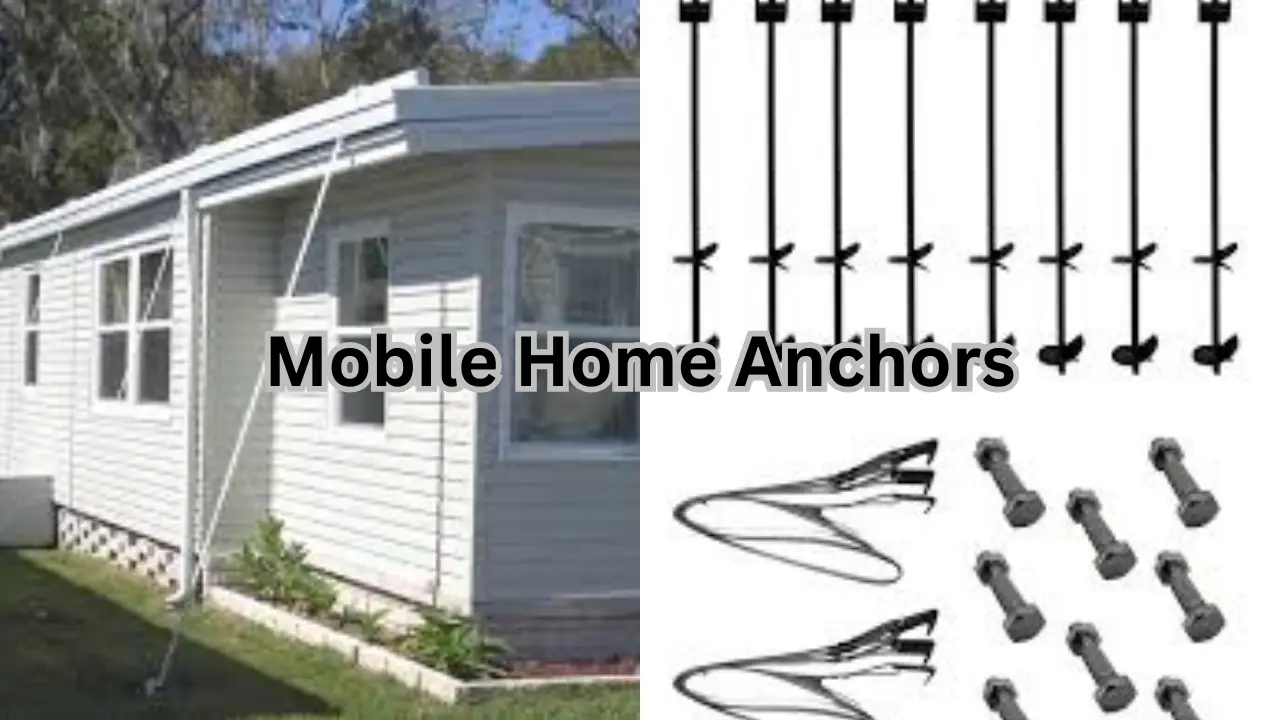
Mobile Home Anchors Flexible Housing Option
Mobile homes provide an affordable and flexible housing option for many families. However, because these homes are designed to be transportable, they need a reliable anchoring system after installation. Mobile home anchors help secure the home to the ground and reduce the risk of movement, shifting, or overturning during strong winds and severe weather.
A properly installed anchoring system works with tie-down straps or other approved connections to hold the home securely in place. The right system depends on the home’s size, location, soil conditions, wind exposure, and applicable building requirements.
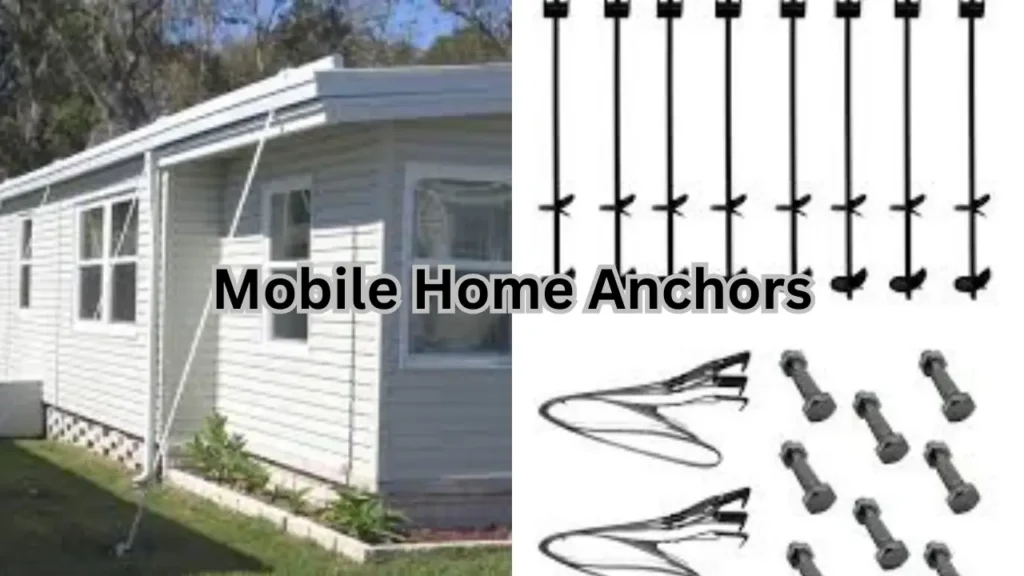
The Importance of Mobile Home Anchors
Anchoring a mobile home is not merely a recommendation; it’s a critical safety measure. Without adequate anchoring, mobile homes are susceptible to shifting, tilting, or even overturning during strong winds or storms. Properly installed these provide the necessary stability, safeguarding both the structure and its occupants.
Proper anchoring helps connect the mobile home’s frame to the ground and improves overall stability. It can also help reduce the possibility of structural movement that may damage the home or its connections.
The exact anchoring requirements vary depending on the location. Factors such as wind speed, soil characteristics, home design, and local regulations can affect the type and number of anchors required.
Also Read: Baby boy home coming outfits
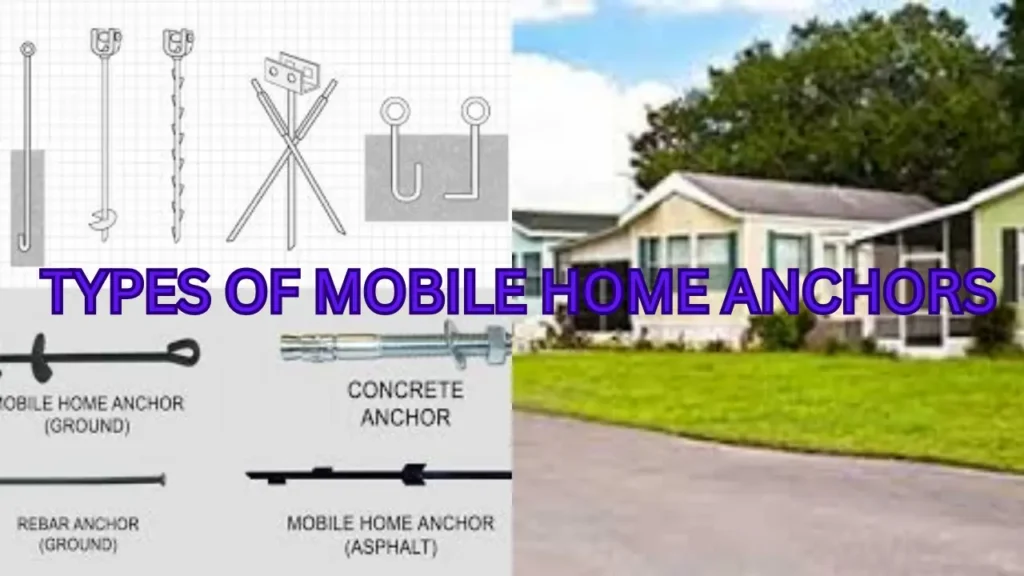
Types of Mobile Home Anchors
Different anchoring systems are available for different ground conditions and installation requirements. The most suitable option should be selected according to the manufacturer’s instructions and local building standards.
Auger Anchors
Auger anchors have a helical or screw-like design that allows them to be installed into the soil. They are commonly used where the ground provides sufficient holding strength for this type of anchor.
The anchor’s size, depth, and installation method can affect its performance. Professional installation is recommended when determining whether an auger anchor is suitable for a particular site.
Drive Anchors
Drive anchors are installed by driving the anchor into the ground. They may be used in soil conditions where another anchoring method is more difficult to install.
Their effectiveness depends on the ground conditions and the specific anchor design. Installers should follow the manufacturer’s requirements for installation depth and placement.
Concrete Anchors
Concrete anchoring systems use concrete as part of the anchoring structure. Depending on the installation design, anchors may be embedded into an approved concrete foundation or connected through an engineered anchoring system.
Concrete alone should not automatically be assumed to provide adequate mobile home anchoring. The complete system must meet applicable requirements for the home’s location and design.
Hook Anchors
Hook-style anchors can connect with tie-down straps or related anchoring components. They are available in designs intended for different ground and foundation conditions.
The correct hook anchor depends on the manufacturer’s specifications, soil conditions, and required holding capacity.
How to Select the Right Anchor?
Choosing the right anchoring system involves more than simply selecting an anchor that fits the home. The entire system needs to be appropriate for the property and the conditions where the home is installed.
| Factor | Why It Matters |
|---|---|
| Soil Type | Soil strength and composition can affect an anchor’s holding capacity. |
| Home Size | Larger homes may require a different anchoring configuration than smaller units. |
| Wind Conditions | Areas with higher wind exposure may have stricter anchoring requirements. |
| Installation Site | Sloped, rocky, or unusual ground conditions can affect installation. |
| Local Codes | Local authorities may specify approved anchoring methods and requirements. |
| Manufacturer Instructions | The home manufacturer’s installation requirements should be followed. |
Soil Conditions
Soil plays an important role in anchor performance. Loose, sandy, rocky, or heavily compacted ground can behave differently when an anchor is installed.
A professional installer can evaluate the site and determine whether the proposed anchoring method provides adequate holding strength.
Home Size and Design
The dimensions, weight, construction, and frame configuration of a mobile home can influence its anchoring requirements. Larger or differently configured homes may require a specific tie-down arrangement.
Wind Zone and Weather Exposure
Wind exposure is another important consideration. Homes located in areas affected by hurricanes, tornadoes, or other severe wind conditions may have additional installation requirements.
Higher-wind areas often require stronger or more carefully designed anchoring systems. Always check the requirements that apply to the property’s location.
Local Building Requirements
Anchoring standards can differ between states, counties, cities, and other jurisdictions. Before installation, check the applicable manufactured-home installation rules and building requirements.
Mobile Home Anchor Installation Process
Correct installation is essential because even a high-quality anchor may not perform properly if it is installed incorrectly. A qualified installer should handle the work when required by local regulations or when the installation involves complex site conditions.
Site Assessment
The first step is evaluating the property. The installer considers soil conditions, home dimensions, foundation type, wind exposure, and local requirements.
This assessment helps determine the appropriate anchoring system and its placement.
Anchor Placement
Anchors are positioned around the mobile home according to the approved installation plan. Spacing should never be based on a general rule alone because requirements can vary by home, location, and anchoring system.
Anchor Installation
The selected anchors are then installed using the method specified by the manufacturer. Depending on the system, this may involve screwing an anchor into the soil, driving it into the ground, or incorporating it into an approved foundation system.
Connecting Tie-Downs
After installation, tie-down straps, cables, or other approved components connect the anchors to the mobile home’s frame.
These connections must be properly positioned and tensioned. Incorrect connections can reduce the effectiveness of the entire anchoring system.
Common Mobile Home Anchoring Mistakes
Some anchoring problems occur because homeowners use the wrong components or overlook installation requirements.
| Common Mistake | Potential Problem |
|---|---|
| Using an unsuitable anchor | The anchor may not provide adequate holding strength. |
| Incorrect anchor spacing | The system may not meet installation requirements. |
| Poor strap positioning | Loads may not transfer properly to the frame. |
| Loose tie-downs | The home may have reduced resistance to movement. |
| Ignoring corrosion | Damaged components can weaken the anchoring system. |
| Skipping inspections | Problems may remain unnoticed until severe weather occurs. |
Using random hardware or mixing incompatible components can also create problems. It is better to use an approved system and follow the manufacturer’s installation instructions.
Maintenance and Inspection
A mobile home’s anchoring system should be inspected periodically to identify damage, corrosion, loose connections, or other issues.
Inspect the system at least according to the manufacturer’s and local authority’s recommendations, and check it after major storms or severe weather.
Look for rust, bent components, damaged straps, loose connections, and changes in the ground around the anchors. If any part appears damaged, have it evaluated by a qualified professional.
Check Tie-Down Tension
Tie-down straps can become loose or change position over time. However, homeowners should not simply tighten them without checking the manufacturer’s requirements.
Excessive tension can also create problems, so adjustments should be made according to the approved installation specifications.
Replace Damaged Components
Damaged or heavily corroded anchors, straps, bolts, or other hardware should be replaced with compatible approved components.
Do not substitute ordinary hardware for components designed for manufactured-home anchoring.
When Should Mobile Home Anchors Be Inspected?
Regular inspection is particularly important after major weather events. Strong winds, flooding, ground movement, and other environmental conditions can affect the anchoring system.
An inspection is also appropriate when:
- The home has been moved to a new location.
- The foundation or support system has been modified.
- Tie-down straps appear loose or damaged.
- Anchors show signs of corrosion.
- The surrounding soil has shifted significantly.
- The home shows unusual movement or changes in alignment.
If you notice significant movement or structural concerns, contact a qualified manufactured-home professional rather than attempting major repairs yourself.
Compliance With Mobile Home Anchoring Regulations
Following applicable regulations is an important part of a safe installation. Requirements can vary based on location, home type, foundation system, wind exposure, and other factors.
Do not rely on a one-size-fits-all anchor spacing or installation method. Check the regulations that apply to your property and use the installation instructions supplied with the home and anchoring system.
Professional installation can also help ensure that the anchoring system is installed according to applicable requirements.
Conclusion
Mobile home anchors are an important part of a secure manufactured-home installation. The right anchoring system helps connect the home to the ground and can improve its resistance to movement during strong winds and severe weather.
When selecting an anchoring system, consider the soil, home design, wind exposure, installation requirements, and local regulations. Proper installation and regular inspection are equally important. When in doubt, work with a qualified professional who can assess the site and ensure the anchoring system is appropriate for the home.






One Comment