
The Older Seattle Home Check: Hidden Costs, Local Risks, And Smart Buyer Due Diligence In Seattle, Washington
Key Takeaways
- Older Seattle homes can offer established neighborhoods, mature trees, distinctive architectural details, and useful lot sizes, but buyers should look beyond updated finishes.
- A home’s age alone does not determine its condition; review maintenance history, major systems, site conditions, and likely repair needs.
- Build a realistic ownership budget that includes mortgage costs, taxes, insurance, utilities, routine maintenance, emergency repairs, and planned renovations.
- Arrange a general inspection and consider specialist assessments for concerns involving the roof, electrical system, plumbing, foundation, drainage, or other major components.
- Consider a sewer scope, especially for homes with mature trees, older sewer lines, slow drains, or limited inspection records.
- Review permit and property records to understand past renovations, additions, and documented work.
- Check drainage, crawl spaces, slopes, retaining walls, and signs of moisture, particularly during Seattle’s wet season.
- Request an insurance quote early and confirm coverage, deductibles, and any property updates required by the insurer.
- Compare immediate repair estimates and future maintenance costs with the home’s location, layout, and long-term suitability before making an offer.
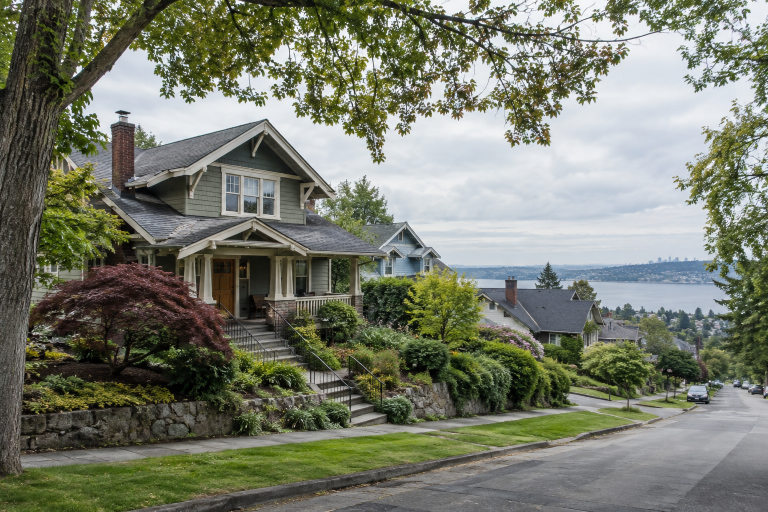
Older homes are a defining part of Seattle, Washington, from craftsman houses in North Admiral to mid-century properties in Gatewood and hillside homes near Fauntleroy. They can offer established neighborhoods, mature trees, useful lot sizes, and details that are difficult to replicate in new construction. Still, buyers should look past fresh paint, staging, and renovated finishes to understand the property behind them. Local perspective can make that review more practical. West Seattle real estate agent Molly Kemper and the Monroe Kemper Team provide buyer and seller guidance, home-search tools, and neighborhood information for West Seattle and the Greater Seattle area. Their familiarity with communities including Alki, Arbor Heights, Belvidere, Fauntleroy, Gatewood, and North Admiral can help buyers frame questions about condition, location, and everyday ownership needs before they write an offer.
Why Older Seattle Homes Need A Closer Look
Age does not make a home a poor purchase. A well-maintained 1920s house may have updated plumbing, wiring, roofing, and drainage, while a newer home can still have costly defects. The goal is to understand the home’s maintenance history, the condition of its major systems, the site itself, and the expenses that could arise after closing. Buyers should treat due diligence as a means of making an informed decision, not as a search for a flawless property. Older homes commonly need ongoing care. The important question is whether the work is understood, financially manageable, and appropriate for the buyer’s plans.
Start With A Realistic Ownership Budget
The list price is only one part of the cost of ownership. Build a monthly and longer-term budget that includes mortgage principal and interest, property taxes, homeowners’ insurance, utilities, routine maintenance, emergency repairs, and any expected renovation or permit costs. For example, a lower-priced older home with an aging roof and original sewer line may appear more affordable than a newer alternative. If the buyer needs to address those systems soon after closing, the lower purchase price may require a larger repair reserve. Separate cosmetic wants, such as new countertops or paint, from repairs that protect safety, manage water, or support the structure.
Review The Home’s Major Systems
A general home inspection is an important starting point, but it does not guarantee that every issue will be found. During showings and inspections, give extra attention to:
- Roof age, missing material, flashing, and signs of prior leaks.
- Electrical panels, visible wiring, outlet function, and evidence of unpermitted work.
- Plumbing supply lines, drain performance, water pressure, and visible corrosion.
- Furnaces, heat pumps, boilers, water heaters, and ventilation equipment.
- Foundations, crawl spaces, basements, and signs of moisture or movement.
- Windows, insulation, attic ventilation, and indoor condensation.
- Grading, downspouts, and drainage around the building.
If the inspection raises a specific concern, consider a qualified specialist. Electricians, structural engineers, roofing contractors, plumbers, and drainage professionals can provide more focused assessments than a general inspection alone.
Do Not Skip The Sewer Scope
A sewer scope uses a camera to inspect the private line that carries wastewater from the home to the public system. It can identify root intrusion, cracks, separated joints, blockages, low sections, or aging pipe materials that may not be visible during a standard inspection. In Seattle, the private side sewer can be a homeowner’s responsibility, making its condition particularly important before an offer becomes final. Ask whether the line is shared, whether easements affect access, and whether previous repairs or replacement records are available. Mature landscaping can be beautiful, but established trees also make line history worth investigating.
Search Permit And Property Records
Permit history can help buyers understand whether visible additions, finished basements, decks, electrical upgrades, or plumbing projects were documented. The City of Seattle allows address-based research through its permit and property records tool, where buyers can review available project descriptions, permit activity, and inspection information. A missing record does not automatically end a purchase, especially with older work. It does mean the buyer should ask more questions. An inspector, contractor, real estate professional, or city representative may help clarify what was done and whether further review is sensible.
Look Closely At Drainage, Slopes, And Retaining Walls
Seattle’s wet season can reveal conditions that are easy to miss on a bright day. Check for standing water, damp crawl spaces, musty odors, moss, staining, poorly directed downspouts, and grading that sends water toward the foundation. Retaining walls deserve close attention if they lean, bulge, crack, or appear to lack drainage. A property may look completely dry during a summer showing, but water may pool near a basement entry after extended rain. When possible, revisit the street and yard in different weather, and ask the seller about past water intrusion, drainage work, or seasonal concerns.
Check Insurance Before The Inspection Period Ends
Request an insurance quote early rather than waiting until the final days before closing. Insurers may consider roof condition, wiring, prior water damage, replacement cost, oil tank concerns, and other property-specific factors. Ask whether the home is insurable as-is, whether updates are required, whether sewer backup or service-line coverage is available, and how the deductible would affect the household budget.
Compare Renovation Costs With Location Value
Not every repair deserves the same response. Use a practical sequence:
- Identify urgent health, safety, structural, and water-management work.
- Request written estimates for major projects.
- Include a contingency for hidden conditions.
- Compare the total expected investment with similar nearby homes.
- Consider how long you expect to own the property.
A dated kitchen is usually a lifestyle decision. A failing foundation, a major drainage problem, or a damaged sewer line is a condition that may affect timing, financing, and future costs.
Create A Property Due Diligence Checklist
- Review the seller disclosure and confirm major update dates.
- Order a general inspection and consider a sewer scope.
- Review permit and property records.
- Request an insurance quote before contingencies expire.
- Evaluate drainage, slopes, crawl spaces, and retaining walls.
- Estimate immediate repairs and likely five-year maintenance needs.
- Confirm the complete monthly budget still feels sustainable.
Common Questions About Older Seattle Homes
Is An Older Seattle Home A Bad Investment?
No. Build year alone does not determine value or suitability. Condition, maintenance history, location, repair needs, and the buyer’s goals matter more.
Should Buyers Always Get A Sewer Scope?
It is especially worth considering when a property has mature trees, slow drains, an older line, or no recent sewer inspection record.
Can Permit Problems Stop A Purchase?
They can change the buyer’s decision, but they do not always end a deal. The key is to understand the scope of the issue, likely correction costs, and any effect on safety or plans.
Final Takeaway
The best older Seattle home is not necessarily the one with the newest finishes. It is the one whose condition, repair needs, location, and long-term costs are clear enough to support a confident decision. Careful research before making an offer can reduce surprises and help buyers choose a home that works in daily life as well as on paper. Beyond cosmetic updates, buyers should pay attention to the roof, foundation, plumbing, electrical systems, windows, insulation, drainage, and other features that may require attention over time. Reviewing permits, seller disclosures, inspection findings, and records of past repairs can provide a clearer picture of how the property has been maintained. It is also important to consider the home’s layout, storage, natural light, parking, and access to transportation and nearby services. Older properties may have unique character, but they can also come with maintenance requirements that should be reflected in the budget. By comparing the purchase price with likely repair costs, ongoing expenses, and future needs, buyers can look beyond first impressions and make a decision that is practical for the years ahead.