Mold Inspection Before Cleanup: What Homeowners Should Check
Key Takeaways
- Visible mold can be a sign of a broader moisture problem.
- Finding and stopping the water source is essential before repairs or cosmetic work.
- Wet areas and materials should be dried promptly, ideally within 24 to 48 hours.
- Testing is not always necessary when mold growth is clearly visible.
- Large, hidden, recurring, or contaminated-water problems may require qualified help.
- Indoor relative humidity is best kept between 30% and 50% when practical.
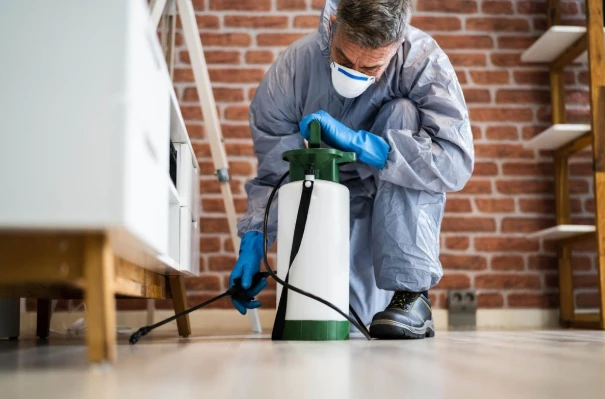
Finding a suspicious stain, a fuzzy patch, or a persistent musty smell can make homeowners want to clean immediately. However, cleanup is more effective when it begins with a clear understanding of where moisture came from and which materials were affected. Thorough mold inspections can help identify visible damage, possible hidden moisture, and conditions that may allow mold to return.
A mold issue is rarely just a surface issue. Leaks, condensation, appliance failures, roof damage, poor drainage, high humidity, and limited airflow can all leave building materials damp long enough to support the growth of mold. Cleaning a visible spot without correcting the underlying condition may only provide a temporary result.
Why a Mold Inspection Should Come First
The purpose of an inspection is to define the problem before choosing a cleanup method. A careful review can distinguish between an isolated bathroom surface issue and a larger problem involving drywall, flooring, cabinets, insulation, or an HVAC-related moisture source. It also helps homeowners avoid sealing moisture into a wall, floor, or ceiling during repairs.
Signs That Point to a Mold or Moisture Problem
Not every dark mark is mold, but certain conditions deserve a closer look. Pay attention to musty or earthy odors that return after cleaning, dark spots or unusual staining, bubbling paint, peeling wallpaper, warped flooring, damp-feeling rooms, and condensation on windows, pipes, or exterior walls. Recent flooding, plumbing leaks, roof damage, or an overflowing appliance should also prompt an inspection.
What a Thorough Inspection Can Include
Visual Review and Moisture Mapping
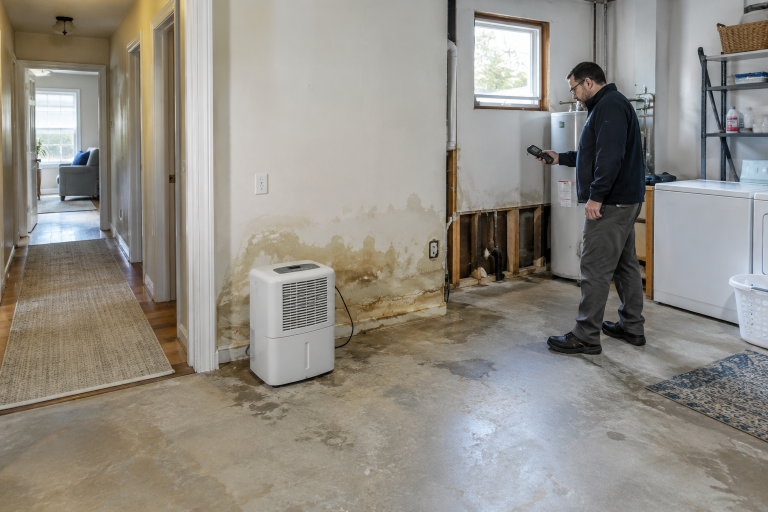
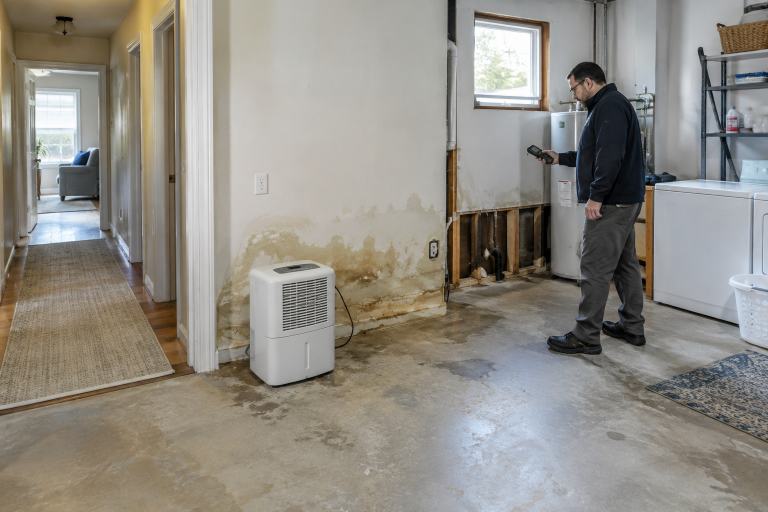
Start by checking ceilings, walls, baseboards, closets, cabinets, bathrooms, attics, crawl spaces, utility rooms, and areas around windows. Look for staining, material damage, corrosion, poor ventilation, or signs of past water intrusion. Moisture meters can help compare suspect areas with dry, unaffected materials and may help trace moisture toward plumbing, roofing, window, drainage, or HVAC concerns.
When the source is unclear or conditions are more complex, mold removal specialists may help assess whether the issue involves hidden materials, recurring moisture, or a cleanup project requiring containment and drying measures.
Airflow and Ventilation Review
Bathrooms, kitchens, laundry areas, and enclosed closets often hold moisture longer than open spaces. Check whether bathroom and kitchen exhaust fans vent outdoors, whether supply and return vents are blocked, and whether condensation is collecting near cold pipes or windows. HVAC drain pans, condensate lines, filters, and nearby surfaces should also be checked for water or staining.
Targeted Mold Testing
Testing can be useful when the substance is uncertain, mold is suspected behind walls or in a building system, documentation is needed for a transaction or dispute, or an independent post-remediation check is requested. It does not fix a leak, dry a wet wall, or remove damaged material. When mold is visible, the more immediate priority is usually to control moisture and address the affected surface or material.
How Moisture Creates a Repeat Mold Problem
Mold needs moisture to grow. Water can enter through leaks, spills, floods, condensation, or prolonged indoor humidity. Porous materials such as drywall, carpet, ceiling tile, insulation, and some wood products can absorb that moisture, especially when airflow is limited. Surface cleaning may remove what is visible, while dampness or growth remains behind a wall or below flooring.
The importance of moisture control is central to preventing repeat problems. EPA guidance recommends fixing water problems, drying wet areas quickly, and keeping indoor humidity below 60%, ideally between 30% and 50% when possible.
What to Do Before Cleanup Begins
- Document the issue with notes and photos taken from a safe distance.
- Record when the odor, water event, staining, or visible growth first appeared.
- Check under sinks, near water heaters, around windows, and beside HVAC equipment for clues.
- Avoid moving boxes, furniture, or belongings through a heavily affected area.
- Use a basic humidity meter to monitor persistently damp rooms.
- Keep children, pets, and people with respiratory concerns away from heavily affected spaces.
DIY Cleanup or Professional Help?
Small, Limited Areas
A small area of mold on a hard, non-porous surface may be manageable with appropriate precautions, including gloves, eye protection, adequate ventilation, detergent-and-water cleaning, and thorough drying. Porous materials can be much harder to clean fully because mold may grow within their openings and fibers. Do not paint or caulk over a moldy surface before it has been cleaned and dried.
Larger or More Complicated Problems
Seek qualified assistance if the affected area is larger than about 10 square feet, the damage was caused by sewage or other contaminated water, mold may be inside walls or HVAC components, or the same problem keeps returning. The cleanup guidance for larger mold problems also advises professional help when extensive water damage, contaminated water, or suspected HVAC contamination is involved.
Questions to Ask Before Cleanup
- What is the suspected source of moisture, and has it been stopped?
- Which rooms, surfaces, and concealed areas were checked?
- Which materials can be cleaned, and which may need to be removed or replaced?
- Will drying, containment, testing, or demolition be necessary?
- How will moisture levels be confirmed before repairs are closed up?
- Will a final inspection or clearance review be appropriate?
How to Prevent Mold After Cleanup
Repair plumbing, roof, window, and drainage issues promptly. Run exhaust fans while showering and cooking, keep condensate drains clear, and use air conditioning or dehumidification when indoor humidity remains high. Leave some space between furniture and exterior walls where condensation may form, and inspect closets, attics, crawl spaces, and under-sink cabinets during humid periods.
Conclusion: Inspect the Cause, Not Just the Spot
A useful mold inspection links visible signs to moisture, airflow, building materials, and potential hidden damage. The most dependable long-term approach is to identify the water source, dry affected materials promptly, remove or properly clean damaged materials, and keep the area dry after repairs are complete.