
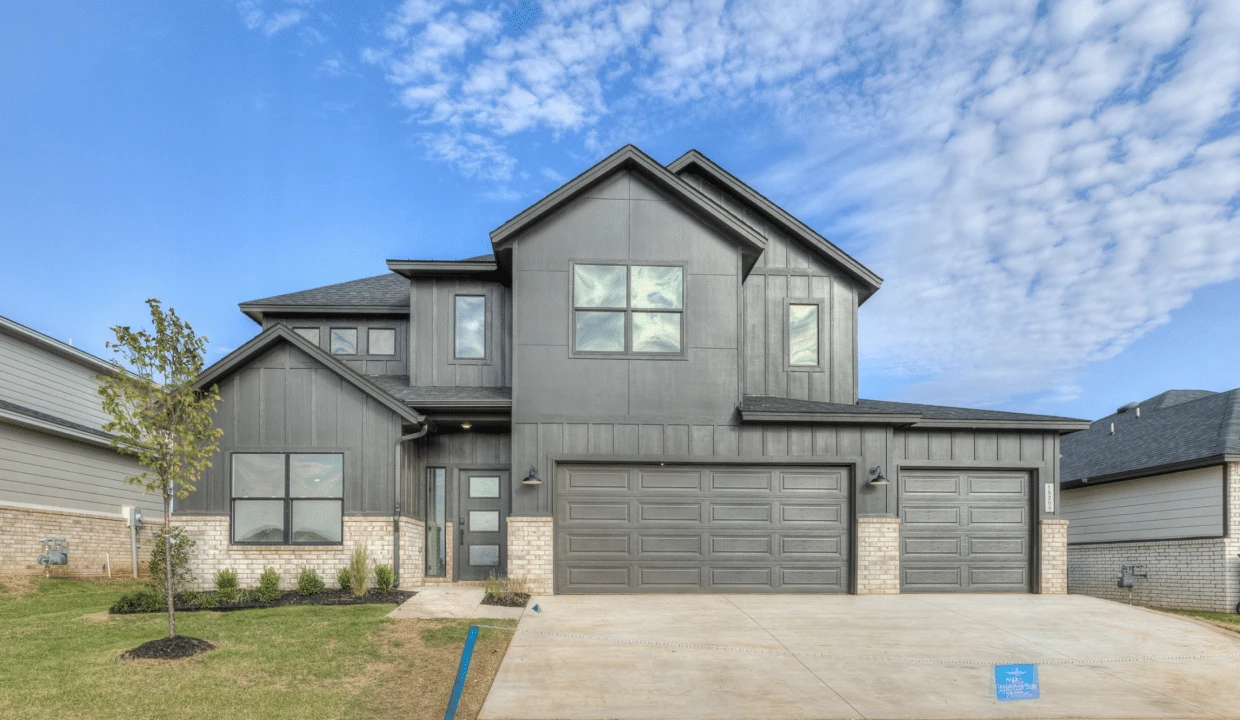
How To Compare Home-Selling Options In Raleigh-Durham
Key Takeaways
- Traditional listings, FSBO sales, and direct cash sales each involve different tradeoffs.
- A higher offer does not always produce the highest amount at closing.
- Home condition, financing, inspections, and title issues can affect both price and timing.
- Review contracts carefully and compare at least two selling paths before deciding.
Table Of Contents
- Raleigh-Durham Market Considerations
- Main Ways To Sell
- Selling With An Agent
- Selling Without An Agent
- Selling Directly For Cash
- Comparing Net Proceeds
- Property Condition And Timing
- Questions Before Accepting An Offer
Selling a home in Raleigh-Durham is not a one-size-fits-all decision. Some owners want the widest possible buyer exposure, while others need a simpler sale because of repairs, a move, an inherited property, tenants, or a tight deadline. Homeowners considering a direct route can review https://northshorecashoffer.com/we-buy-houses-raleigh-durham/ as one option alongside a traditional listing or a private sale.
The best choice depends on what matters most: estimated net proceeds, speed, privacy, convenience, or certainty. Before committing to any path, compare the likely costs, the amount of preparation required, and the terms that could delay or change the closing.
Raleigh-Durham Market Considerations In 2026
Local market conditions affect pricing, buyer interest, and how long a property may need to be marketed. In 2026, sellers should avoid assuming that countywide or citywide figures will predict their individual results. A home in Raleigh may attract a different buyer pool than a similar home in Durham, Cary, Chapel Hill, or a more rural part of Wake or Durham County.
Recent comparable sales, active competition, school zones, lot size, commute access, and property condition can all influence demand. Sellers who want to compare a direct-sale option with other paths may also find information at northshorecashoffer.com, then use the same property details when requesting other estimates.
The Main Ways To Sell A Home
Most homeowners choose one of three routes: list with a real estate agent, sell without an agent, or sell directly to a buyer. A traditional listing may offer broad exposure. A FSBO transaction can provide more control. A direct sale can reduce preparation and simplify the process. The right option is the one that fits the seller’s actual circumstances.
Selling With A Real Estate Agent
A traditional listing commonly includes pricing guidance, cleaning, repairs, photography, marketing, showings, offer negotiations, inspections, appraisal, financing, and closing. This approach may work well for a move-in-ready home in a desirable area where broad buyer exposure could create stronger competition.
Potential Benefits
- Exposure through the multiple listing service and agent networks.
- Help with pricing, marketing, negotiations, disclosures, and deadlines.
- Access to buyers using conventional, FHA, VA, or other mortgage financing.
Possible Drawbacks
- Preparation costs for repairs, cleaning, staging, and photography.
- Showings, open houses, and disrupted schedules.
- Potential delays involving inspections, appraisals, financing, or repair requests.
Selling A Home Without An Agent
A for-sale-by-owner transaction gives the homeowner direct control over pricing, marketing, showings, and negotiations. It can reduce certain expenses, but it also means the seller must manage buyer communication, deadlines, paperwork, disclosures, and offer comparisons.
FSBO sellers should use reliable contracts and seek qualified legal guidance when needed. That is especially important for estates, divorces, multiple owners, liens, tenant-occupied homes, or title questions. North Carolina sellers should also understand applicable disclosure obligations, including the state’s residential disclosure requirements described by the North Carolina Real Estate Commission.
Selling Directly For Cash
A direct buyer generally reviews the property and presents an offer based on its current condition. This route may be useful when a seller wants fewer showings, does not want to complete major repairs, or needs more control over the closing date. It can also suit homes with deferred maintenance, cleanout needs, or unusual ownership circumstances.
Speed alone should not determine whether an offer is acceptable. Ask whether the buyer is using verified funds, whether the offer is subject to inspections, who pays closing costs, whether the contract can be assigned, and what happens if the proposed closing date changes. A cash offer can still be contingent on conditions that affect certainty.
How Selling Costs Change The Final Amount
The sale price of a home differs from the seller’s final proceeds, requiring a written estimate that includes all costs, such as mortgage payoff, liens, commissions, repairs, concessions, and other expenses. Traditional listings may incur higher costs but attract more buyers, while For Sale By Owner (FSBO) options can save on some fees but still involve marketing and legal expenses. Direct cash sales may lower the offer price but streamline the process. A property’s condition is critical: minor cosmetic fixes may suffice, while significant issues such as leaks or structural problems can deter buyers and affect sale economics. Sellers should assess whether repairs will enhance net proceeds.
Property taxes and ownership costs should also be included when comparing timelines. North Carolina property taxes are locally assessed and collected, so sellers can confirm account details with the appropriate county office and review general guidance from the North Carolina Department of Revenue.
Questions To Ask Before Accepting An Offer
- What is the estimated net amount after every known cost?
- Is the offer dependent on financing, inspections, appraisal, or another home sale?
- Who chooses the closing attorney or settlement provider?
- Are there cancellation rights, deadlines, or penalties?
- Can the buyer assign the contract to another party?
- When must the seller move out, and what property stays with the home?
- Have title issues, liens, taxes, and mortgage balances been reviewed?
Conclusion
Raleigh-Durham homeowners have several workable ways to sell in 2026. A traditional listing may be a good fit for a well-prepared home with time for marketing. An FSBO sale may suit an owner who is prepared to manage the process. A direct cash sale may fit a seller who values simplicity, privacy, or speed. Compare the full contract, likely timeline, and final net proceeds before choosing the option that best supports your goals.




One Comment
Comments are closed.