Buying a Waterfront Home in Guntersville, Alabama: A Practical Checklist for Costs, Risk, and Daily Life
Key Takeaways
- A waterfront home should be evaluated by its total ownership cost, not only its list price or view.
- Flood exposure, insurance, shoreline condition, and dock rights should be reviewed early.
- On Lake Guntersville, water access and permission to improve the shoreline are not always the same thing.
- Daily realities, including commute time, internet service, road access, and seasonal activity, matter as much as weekend recreation.
- Buyers should gather permits, surveys, insurance quotes, inspection reports, and property records before finalizing an offer.
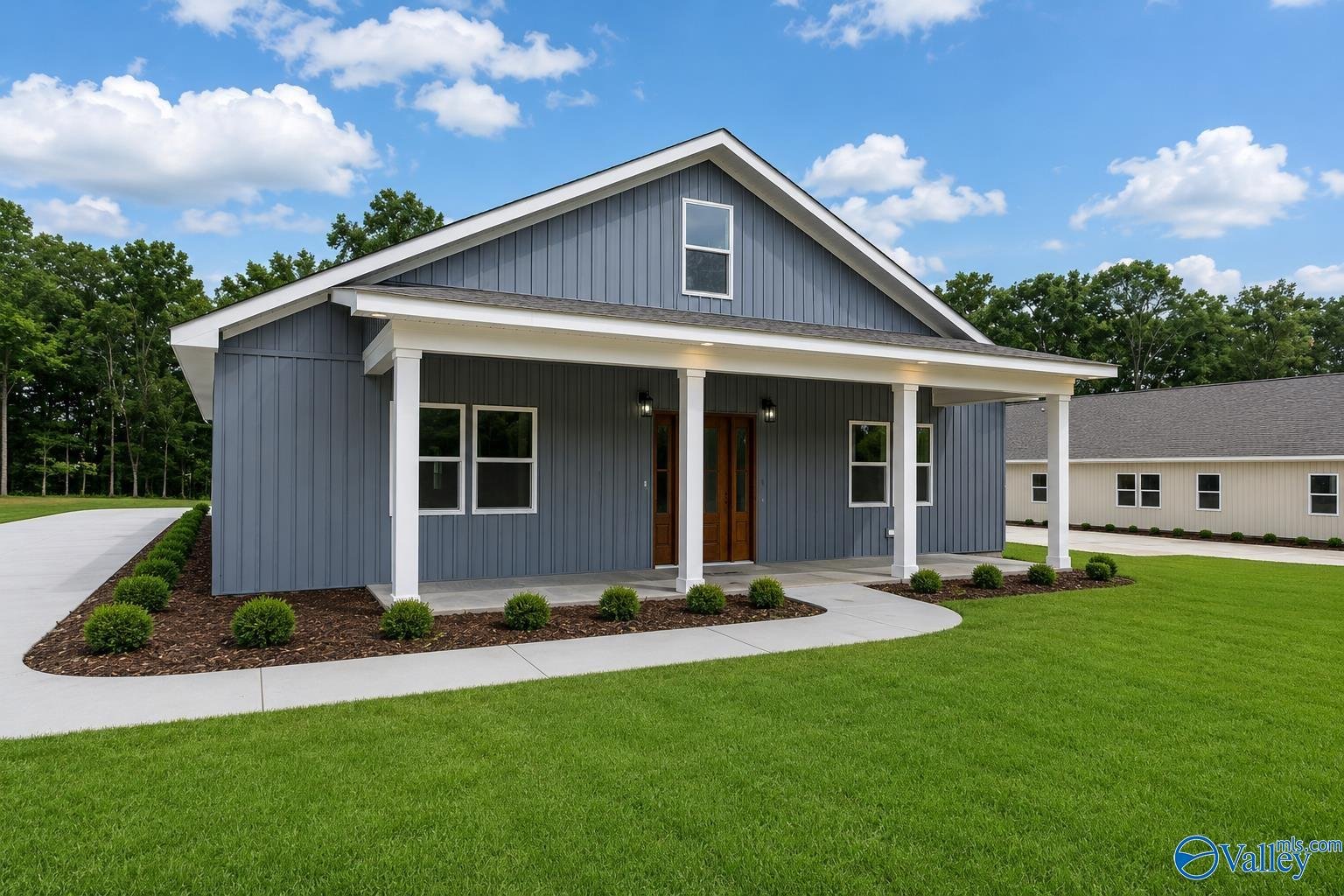
Waterfront living in Guntersville can mean sunrise views, fishing before breakfast, and easy access to Lake Guntersville. It can also mean extra planning. A beautiful shoreline home may come with different insurance needs, maintenance responsibilities, access limitations, and permitting questions than an inland property.
For buyers comparing homes in this part of North Alabama, Guntersville AL real estate expert Trenten Hammond provides home-search, valuation, buying, and selling resources for Guntersville and surrounding communities. Trenten Hammond’s local focus can be useful when comparing the practical differences between lakefront homes, water-access neighborhoods, and properties that simply have a water view.
Why Waterfront Homes Need a Closer Review
A home near the water is more than a house with a scenic backdrop. The location can shape how owners use the property, how they maintain it, and what they may be permitted to change. Lake Guntersville is part of the Tennessee River system, so shoreline features such as docks, stabilization work, walkways, and boat lifts may be subject to rules beyond the usual local building codes.
Buyers should weigh the lifestyle benefits against the obligations. A private dock, a gentle path to the water, and a protected cove may be valuable features, but each one should be inspected and documented. A smaller view with sound construction and manageable upkeep can be a stronger long-term choice than a dramatic view paired with erosion, deferred repairs, or uncertain access rights.
Start With the Full Monthly Cost
Before touring homes, build a payment estimate that goes beyond principal and interest. The right budget leaves room for regular maintenance and the surprises that can accompany a water-facing property.
- Mortgage principal and interest
- Property taxes
- Homeowners insurance and any applicable flood coverage
- HOA, community, or shared-road fees
- Utilities, landscaping, tree care, and seasonal upkeep
- Dock, boat lift, shoreline, and drainage maintenance
- A reserve fund for roof, HVAC, foundation, or water-related repairs
Ask for utility history when available, and consider whether the property has specialized equipment such as a pump, lift, generator, septic system, or retaining wall. Those items may be worthwhile, but their future repair and replacement costs should be included in the ownership plan.
Check Flood Risk and Insurance Early
Insurance research should happen before a buyer becomes emotionally attached to a property. Standard homeowners policies commonly treat flood damage differently from other water losses, so do not assume the existing policy answers every question.
- Review the current flood map information for the address and discuss it with the lender and insurance professional.
- Ask the seller about past water intrusion, flood damage, drainage problems, and insurance claims.
- Request homeowners and flood insurance quotes for the exact property, not a nearby address.
- Compare deductibles, exclusions, coverage limits, and renewal terms.
- Confirm whether the lender requires flood insurance and how that cost affects the projected payment.
Flood maps are an important reference point, but they do not replace due diligence. Grade, drainage patterns, crawl-space condition, nearby tributaries, and the home’s elevation can all warrant discussion with qualified professionals.
Inspect the Shoreline, Dock, and Water Access
A standard home inspection is essential, but it may not fully assess every aspect of a waterfront structure. Consider a specialist when the property includes a seawall, riprap, retaining wall, dock, boat lift, electrical service near the water, or a long stairway to the shoreline.
- Look for erosion, unstable soil, drainage runoff, and signs of movement in retaining structures.
- Check dock decking, floats, supports, fasteners, electrical connections, and lift operation.
- Ask whether the dock and shoreline work were permitted, and request copies of approvals.
- Visit the property at different water levels when possible, especially if boating depth is important.
- Clarify whether maintenance is private, shared with neighbors, or handled through an association.
On TVA-managed reservoirs, shoreline improvements may require approval. Reviewing shoreline permit requirements for docks and other waterfront structures helps buyers understand why an existing dock does not automatically guarantee approval for future changes or replacements.
Compare the View With the Daily Routine
A waterfront address should work on an ordinary Tuesday as well as a holiday weekend. Drive the route to work, school, grocery stores, pharmacies, and medical care. Test cell reception and available internet service inside the home, not only from the driveway.
Visit at more than one time of day. A quiet cove may feel different during a busy boating weekend, and a steep driveway or narrow road can feel different during rain, darkness, or severe weather. Consider contractor access, guest parking, emergency access, and the time it takes to secure outdoor furniture, boats, or equipment before a storm.
Review Property Rules and Ownership Rights
Terms such as “water access,” “lake view,” and “dockable” can describe very different situations. They do not necessarily mean the buyer owns the shoreline, has direct boat access, or can construct a new dock.
- Obtain a current survey and review boundaries carefully.
- Review recorded easements, shared-access agreements, and road-maintenance arrangements.
- Request dock permits, shoreline approvals, repair records, and receipts for major improvements.
- Read HOA covenants for rules on boats, trailers, rentals, exterior changes, and shared amenities.
- Ask whether the property includes a private dock, a community dock slip, an easement, or only visual access to the lake.
Study Construction, Financing, and Resale
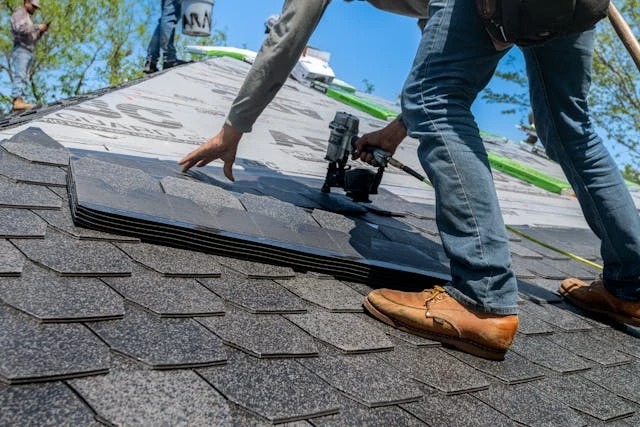
Pay close attention to roof age, exterior materials, gutters, drainage, windows, crawl spaces, HVAC placement, and tree health. Moisture, wind, shade, and water exposure can accelerate wear on certain components. Newer construction can offer advantages, but a well-maintained older home with effective drainage may be the better value.
A Simple Waterfront Buyer Checklist
- Set a comfortable all-in monthly budget.
- Get preapproved using realistic tax and insurance estimates.
- Choose whether direct waterfront, shared access, or a water view best fits your lifestyle.
- Review flood information and obtain address-specific insurance quotes.
- Inspect the house, shoreline, dock, lift, drainage, and related structures.
- Confirm permits, easements, restrictions, and maintenance duties.
- Visit at different times, under different weather conditions, and at different activity levels.
- Plan for repairs and consider how readily the home may appeal to future buyers.
Common Questions Buyers Ask
Is a waterfront home always more expensive to own?
Not always, but waterfront ownership can add costs for insurance, shoreline care, drainage, docks, lifts, and storm preparation. The condition of the home and its waterfront features matters more than the label alone.
Does water access mean the buyer owns the shoreline?
No. Access may be private, shared, granted by easement, offered by an HOA, or available via a public launch. A survey, title review, and property documents can clarify the buyer’s rights.
Final Thoughts
The best waterfront home in Guntersville is not necessarily the one with the largest view or newest dock. It is the property that fits the buyer’s budget, routine, risk tolerance, and future plans. Careful review of insurance, shoreline condition, ownership rights, and daily convenience can turn a lakefront dream into a sound long-term decision.