
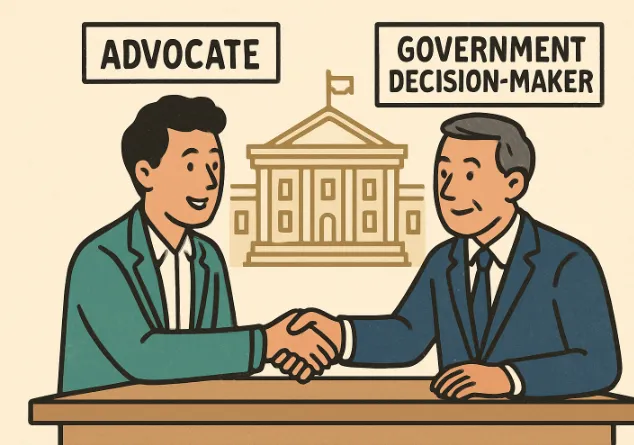
Advocacy 101: Building Strong Relationships with Gov. Decision-Makers
Understanding the Importance of Relationship Building
Building meaningful connections with those who shape policy begins with understanding the fundamentals of advocacy. At its core, effective relationship-building demands more than a handshake—it involves listening to decision-makers, aligning your message with their priorities, and following through with reliable actions. Cultivating trust over time means demonstrating consistency, offering value that exceeds your own agenda, and showing respect for the demands and constraints of public office.
Also Read: How Professional Dryer Vent Cleaning Reduces Fire Hazards in Homes
When navigating the landscape of state government relations, the importance of sustained engagement becomes even clearer. In these contexts, decision-makers often manage heavy policy portfolios and shifting political pressures—so establishing a genuine relationship helps amplify your voice rather than simply making it louder. That kind of rapport creates opportunities for collaboration, not just persuasion. By investing early in those connections, advocates position themselves to contribute constructively when issues arise and avoid becoming a last-minute afterthought.
Strategies for Effective Engagement
- Know Your Legislators: Research your representatives at the local, state, and federal levels to stay informed. Understand their backgrounds, committee assignments, policy interests, and recent legislative activity. This knowledge will guide your outreach strategy and ensure you can align your message with their priorities.
- Initiate Contact: Make the first move by introducing yourself and your organization. Personalized emails and phone calls are effective for establishing initial contact. Reference shared community ties or policy interests to increase resonance and show genuine interest in collaboration.
- Schedule Meetings: Time your requests for legislative recess periods when policymakers are more accessible. Keep your agenda concise—present your objectives clearly, and aim to listen as much as you speak to foster meaningful discussion.
- Provide Valuable Information: Bring data, research, and compelling personal stories to every meeting. Policymakers frequently seek credible, constituent-focused information; by positioning yourself as a reliable resource, you can build influence over time.
- Follow-up: After each meeting, send a thank-you note summarizing the discussion and outlining the next steps. This demonstrates your professionalism and keeps the dialogue open for future collaboration.
Leveraging Community Engagement
Group advocacy is more potent than individual efforts. Involve your organization’s members, coalition partners, or concerned citizens in advocacy activities. Host town halls and forums where community voices can be heard directly by policymakers—this not only amplifies your message but also signals broad support for your cause.
Public events and workshops offer platforms for information sharing and building solidarity among stakeholders. When advocates work together, messages are harder to ignore, and decision-makers become more responsive to collective needs.
Utilizing Digital Platforms
With the rise of digital communication, advocacy no longer depends solely on in-person events. Use social media campaigns, newsletters, advocacy toolkits, and action alerts to keep constituents informed and engaged. Sharing updates about legislative developments and calls to action via Facebook, X (formerly Twitter), or LinkedIn can reach a broader audience, increasing participation rates and overall impact.
Digital platforms also make it easy to track the effectiveness of your outreach efforts and pivot your strategy in response to trends or feedback. Email campaigns and virtual meetings ensure continuous engagement, even when travel or in-person gatherings are not possible.
Maintaining Ethical Standards
Transparency and integrity lie at the heart of credible advocacy. Always disclose your organization’s mission, goals, and sources of funding. Ethical advocacy fosters trust with both government officials and the public, laying the groundwork for constructive, long-term policy dialogue.
Remember to avoid exaggerating facts, making misleading claims, or over-promising on outcomes; policymakers appreciate honesty and informed debate over hyperbole or undue pressure.
Conclusion
Influencing policy is not just a matter of luck or timing—it is the product of strategic relationship-building, ongoing education, and ethical advocacy practices. By getting to know your legislators, consistently engaging with decision-makers, leveraging digital tools, and involving your community, you become a trusted resource in the legislative arena. Invest in these relationships, and you will see a positive impact not only on your advocacy objectives but also on your reputation and effectiveness as a change-maker.