Battery Powered Leaf Blowers: Convenience Without the Noise
There was a time, not too long ago, when the sound of a Saturday morning was defined by the high-pitched whine of a two-stroke gas engine. If you wanted a clean driveway or a leaf-free lawn, you had to accept the smell of mixed fuel, the vibration that numbed your hands, and the inevitable glares from neighbors trying to enjoy a quiet coffee.
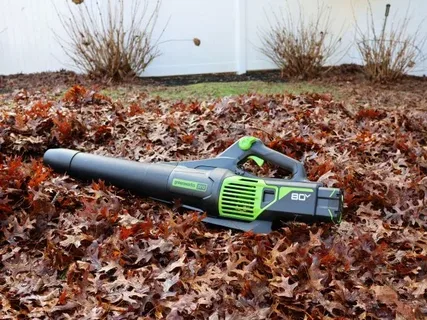
As someone who has spent fifteen years testing outdoor power equipment, I’ve watched the landscape shift. We’ve moved away from the “bigger is always better” mentality toward tools that prioritize user experience. Today, the modern battery powered leaf blower has matured from a secondary “sweeper” into a primary tool capable of handling heavy autumn falls.
In this guide, I’ll break down why cordless technology has finally overtaken gas for most homeowners, how to decipher the technical specs that actually matter, and how to choose a battery powered leaf blower that fits the specific layout and debris types found in your own backyard.
The Death of the “Weekend Mechanic” Era
For years, owning a leaf blower meant being a part-time mechanic. You had to worry about stabilized fuel, clogged carburetors, and the physical toll of pull-starting an engine. Battery technology has effectively eliminated these barriers to entry.
Modern lithium-ion platforms offer “instant-on” capability. You slide in a pack, pull the trigger, and you’re working. This convenience factor shouldn’t be underestimated; when a tool is easy to use, you tend to use it more frequently, preventing debris buildup before it becomes an unmanageable mat of wet leaves.
Understanding the Specs: CFM vs. MPH
When you start shopping, you’ll be bombarded with numbers. Most manufacturers lean heavily on two specific metrics, but they mean very different things for your yard work.
CFM (Cubic Feet per Minute)
Think of CFM as the volume of air. This is the most important number for moving large piles of leaves. A high CFM rating means the blower can move a wider swath of debris at once. If you have a large lawn with several deciduous trees, prioritize a higher CFM.
MPH (Miles per Hour)
MPH represents the speed or “punch” of the air. This is what helps you dislodge wet leaves stuck to the pavement or blow heavy pine needles out of a rock bed. High MPH is great for precision work and clearing “sticky” debris, but it won’t necessarily help you move a massive pile across a lawn.
Why Noise Reduction is More Than Just a Courtesy
We often talk about “convenience without the noise,” but the benefits of a quieter motor go beyond being a good neighbor. Gas blowers often exceed 90 to 100 decibels, which is well above the threshold for permanent hearing damage without heavy protection.
Most cordless units operate in the 60 to 75 decibel range. This allows for:
- Early Morning Work: You can clear the driveway before work without waking the household.
- Situational Awareness: You can actually hear a car approaching or a family member calling out to you while the tool is running.
- Compliance: Many municipalities are now passing noise ordinances specifically targeting gas-powered landscaping tools.
Battery Life and Runtime Realities
The biggest concern for newcomers is always: “Will the battery last long enough to finish the job?” On a standard residential lot (roughly a quarter to half an acre), a single 4.0Ah or 5.0Ah battery is usually more than enough for “maintenance blowing”—clearing grass clippings or light leaves. However, if you are doing a deep clean in November, you’ll want a second battery on the charger.
Pro Tip: Look for “Brushless” motors. These are electronically controlled to be more efficient, generating less heat and squeezing significantly more runtime out of the same battery pack compared to older brushed designs.
Buying Guide: Handheld vs. Backpack Models
Even within the cordless world, you have choices regarding the form factor. Your physical comfort is just as important as the air power.
| Feature | Handheld Blower | Backpack Blower |
| Best For | Driveways, decks, and small lawns | Large properties and heavy leaf falls |
| Weight | Light (typically 5–9 lbs) | Heavier, but weight is on your shoulders |
| Maneuverability | High; easy to aim in tight corners | Moderate; better for long-duration use |
| Storage | Fits easily on a wall hook | Requires more shelf or floor space |
Decision Making: Which One Do You Need?
If your work sessions are usually under 15 minutes, a handheld is the winner for its grab-and-go simplicity. If you find yourself blowing for 45 minutes or more, the backpack style prevents wrist and forearm fatigue by distributing the weight across your core.
Common Mistakes Beginners Make
Even with the best gear, your technique can make or break the experience. Avoid these three common pitfalls:
- Working Against the Wind: It sounds obvious, but even a slight breeze can negate your blower’s power. Always work with the wind at your back.
- Using “Turbo” Mode Constantly: Most battery blowers have a turbo button. It’s tempting to hold it down, but it drains the battery three times faster. Use standard speed for the bulk of the work and save turbo for the stubborn, wet clumps.
- Ignoring the Air Intake: Keep the blower’s intake away from your clothing. A shirt getting sucked against the intake grate will cause the motor to strain and reduce performance instantly.
Best Practices for Seasonal Maintenance
To keep your cordless blower running like new for a decade, you don’t need a toolbox, just a little common sense.
- Dry Storage: Never leave your batteries in a damp shed. Moisture is the enemy of lithium-ion cells.
- Wipe the Grates: Dust and pollen can clog the motor’s cooling vents. A quick wipe with a dry cloth after use keeps the internals cool.
- Battery Storage: If you aren’t using the tool for the winter, store the batteries with about a 50% charge. Don’t leave them completely empty or “topped off” for months at a time.
How to Effectively Move Heavy Leaf Piles
Moving a mountain of leaves with air requires a strategy. Don’t just point and shoot.
Start at the edges of your property and work toward the center (or your tarp). Keep the nozzle at a shallow angle to the ground—this “peels” the leaves off the grass rather than just pushing them down into the soil. Use a steady, side-to-side sweeping motion, similar to a scythe, to create a “wall” of air that moves the debris forward in a controlled wave.
Frequently Asked Questions (FAQ)
1. Are battery blowers as powerful as gas ones?
In the residential sector, yes. Top-tier cordless blowers now produce CFM and MPH numbers that rival or exceed mid-range gas handhelds. While commercial crews still use massive gas backpacks for 8-hour shifts, battery tech is now the superior choice for home maintenance.
2. How long does a battery typically last?
On a standard setting, you can expect 20 to 45 minutes of continuous runtime depending on the battery’s Amp-hour (Ah) rating. On “Turbo” or high speed, that time may drop to 10 to 15 minutes.
3. Can I use a battery powered leaf blower on wet leaves?
Yes, but it requires more “punch” (MPH). Look for a model with a concentrated nozzle attachment or a high-voltage battery system (like 60V or 80V) if you frequently deal with wet, heavy debris.
4. Do the batteries work with other tools?
Usually, yes. Most brands use a “platform” system where the same battery that powers your leaf blower will also run your string trimmer, chainsaw, or lawn mower. This is a great way to save money on “tool-only” purchases in the future.