
Best Sleep Positions for Supportive Comfort
Achieving a restful night’s sleep is crucial for physical health, mental clarity, and overall well-being. Among the many factors that influence how well you sleep, your sleeping position plays a major role. The way you arrange your body at night can impact spinal alignment, pressure point relief, and whether you wake up with aches or refreshed. For those seeking extra stability and spinal support, an ultra firm mattress can provide a foundation that helps promote healthier sleep postures.
Also Read: Transform Outdoor Events with Custom Hunting & Camping Cornhole Boards
Adopting the optimal sleep position for your body’s needs is not only about comfort—it’s about protecting your back, neck, hips, and shoulders from strain. Understanding which sleep positions improve alignment and offer relief for common issues can transform your nightly rest and help prevent chronic discomfort.
Sleeping habits often stem from what feels most natural, but the “best” position may vary depending on your health, lifestyle, and the type of mattress you use. Using pillows strategically or switching to an ultra-firm mattress can further personalize your sleep experience for optimal comfort and support.
While most people gravitate towards certain positions unconsciously, small adjustments and the right mattress can turn every night into an opportunity for full-body recovery. Learning about sleep positions and their effects is the first step toward waking up more energized.
Back Sleeping
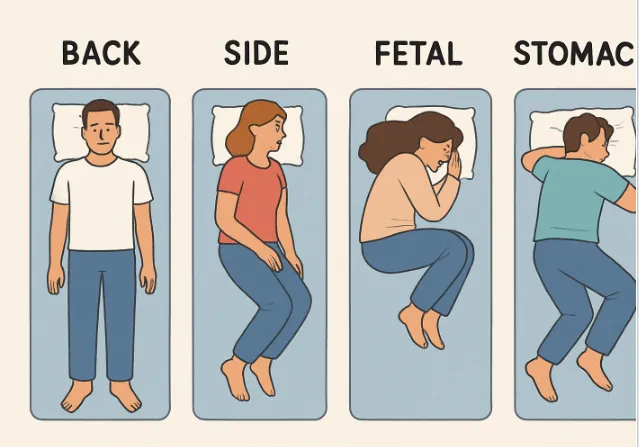
Back sleeping is highly recommended by sleep specialists and spinal health experts for its ability to maintain the natural curvature of the spine. When you rest on your back with your weight evenly distributed, the head, neck, and spine are aligned and supported. This reduces pressure on the muscles and joints, making it a good option for individuals experiencing lower back or neck pain. Adding a pillow under your knees can diminish lower back stress and further enhance comfort. According to the Mayo Clinic, back sleeping can even support the aging process by minimizing facial wrinkles, as it avoids direct facial contact with the pillow.
Side Sleeping
Side sleeping is the most popular sleep position worldwide and is often recommended for its potential to help reduce snoring and improve symptoms of sleep apnea. Sleeping on your side with your knees slightly bent can keep airways open, making it easier to breathe throughout the night. To prevent pressure on the lower back and hips, placing a pillow between the knees keeps the pelvis, hips, and spine aligned, promoting long-term spinal health and reducing pain.
Fetal Position
The fetal position, where you lie curled on your side with your knees drawn toward your chest, is especially comforting for many and offers relief for those with back or joint pain. This posture can be beneficial for individuals with herniated discs by slightly opening the space between vertebrae, which can relieve pressure on the spinal discs. However, it’s essential not to curl up too tightly, as this can restrict breathing and limit the diaphragm’s ability to expand.
Stomach Sleeping
While some enjoy the familiarity of stomach sleeping, it is generally not recommended due to the excessive strain it can place on the neck and spine. This position often forces your head to twist to one side and can cause the lower back to arch, leading to aches and long-term discomfort. If stomach sleeping is the only way you feel comfortable, reduce risk by using a thin pillow or foregoing a head pillow altogether to minimize unnatural angles through the neck and back.
Using Supportive Pillows
Integrating supportive pillows is a key step in optimizing sleep positions for comfort and spinal alignment. Back sleepers should consider placing a pillow beneath their knees to maintain natural spinal curvature and decrease lower back tension. For side sleepers, a firm pillow between the knees stabilizes hip and spinal position, while an ergonomically shaped pillow under the head sustains the neck’s contour. Choosing adjustable or memory foam pillows allows for personalized support, adapting to individual body proportions and preferences.
Considerations for Specific Health Conditions
People with specific health conditions can benefit from tailored sleep positions. For example, individuals with acid reflux are often advised to sleep on their left side, as this position can help reduce heartburn symptoms by keeping stomach acids down. Individuals with sleep apnea or frequent snoring often experience improved breathing and fewer interruptions when sleeping on their side. Pregnant individuals are commonly encouraged to sleep on their left as well, which facilitates blood flow to the fetus and organs. For any ongoing pain or sleep disruption, consulting a healthcare professional can help tailor sleep hygiene and positioning to individual needs.
Final Thoughts
Choosing the right sleep position is crucial for achieving deep, restful sleep and minimizing discomfort. By paying attention to your body’s signals, experimenting with the placement of supportive pillows, and considering your unique health requirements, you can dramatically improve your sleep quality. Whether you’re a back, side, or stomach sleeper, making thoughtful adjustments can help you wake up feeling refreshed and ready to tackle each day, all while safeguarding your future spinal and joint health.