
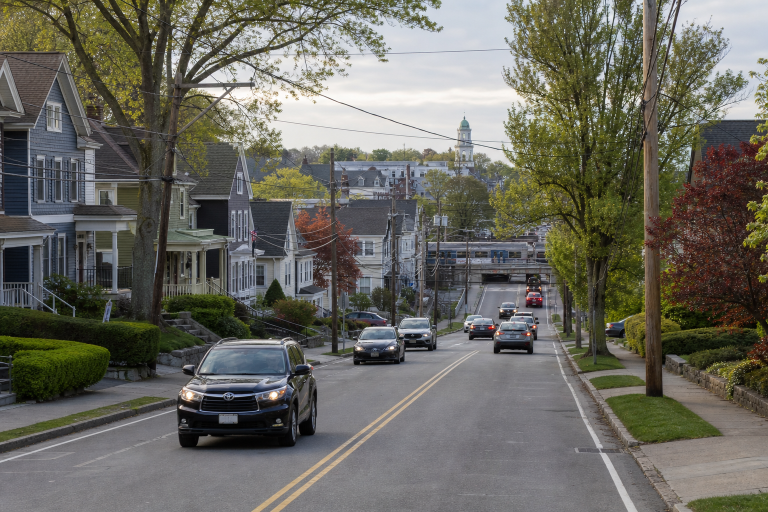
Choosing A Boston-Area Suburb In 2026: A Practical Check On Commute, Space, And Daily Life
Key Takeaways
- The right suburb should fit daily routines, not just a purchase budget.
- Commute time, transit access, home size, upkeep, and local services all affect long-term satisfaction.
- A home that seems affordable at first can cost more once travel, taxes, repairs, and maintenance are included.
- Comparing specific neighborhoods and streets is usually more useful than relying on town-wide averages.
- Local guidance can help buyers evaluate tradeoffs with a clearer context.
Choosing a Boston-area suburb is not simply about finding the largest home available within a price range. The better question is how a location will support the household’s real routine, including work trips, errands, school schedules, recreation, and time with friends and family. For buyers comparing communities south and west of Boston, Dedham, MA, real estate agent Elena Price offers residential real estate guidance through Elena Price’s Greater Boston property website, which includes home searches, valuations, listings, and local market insight. Her work across Dedham, Westwood, Needham, Dover, and nearby communities gives buyers a useful perspective on the practical differences between suburban locations, property types, and resale considerations.
Why Daily Life Should Judge a Suburb
A home is more than its room count, finishes, or yard size. Two properties with similar prices can produce very different ownership experiences. One may offer an extra bedroom and more land, but require a long daily drive. Another may cost more while putting commuter rail, groceries, parks, and regular errands closer to home. Think through a typical Tuesday, not just an open-house Saturday. Consider the morning departure, return trip, parking, childcare pickup, grocery run, workout, dog walk, and ability to meet friends for dinner. A location that works smoothly on ordinary days often remains appealing long after the excitement of the purchase fades.
Start With The Commute, Not The Listing Photos
Before becoming attached to a house, test the commute at the times it will actually happen. Drive or ride the route during morning and evening travel periods when possible. Check more than one route, and include access to commuter rail, buses, major roads, station parking, and park-and-ride options. Transportation choices can matter even for households with hybrid schedules. A job change, school activity, or caregiving responsibility may turn an occasional trip into a frequent one. The Boston region’s transportation priorities also highlight why roadway reliability, transit access, sidewalks, and biking connections deserve attention when comparing neighborhoods.
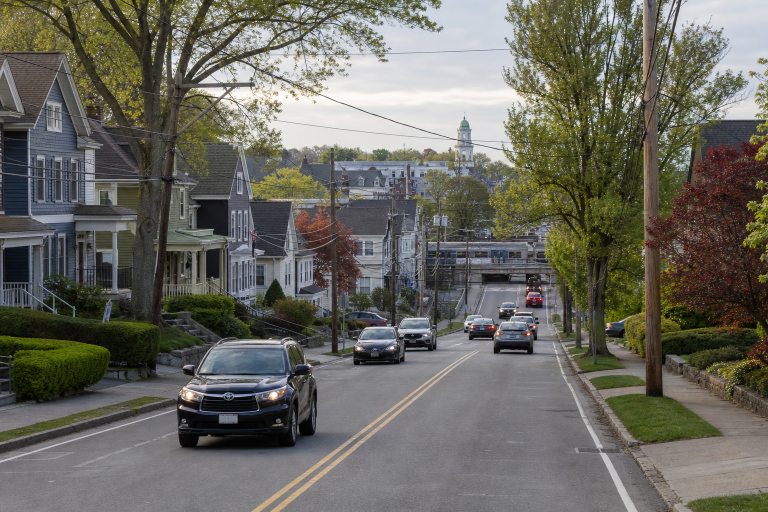
Compare Housing Types Before Comparing Town Names
Town names can be helpful search filters, but the type of home may have a larger effect on the budget and lifestyle.
- Detached homes can provide privacy, storage, and outdoor space, but often bring greater responsibility for roofs, landscaping, heating systems, snow removal, and repairs.
- Condos and townhomes can reduce exterior upkeep and offer access to locations where single-family homes cost more. Review association fees, insurance, reserve funds, meeting notes, and rules before proceeding.
- Older homes may offer character, established neighborhoods, and larger lots, but buyers should assess systems, insulation, drainage, windows, and likely near-term improvements.
- New construction may offer modern layouts and efficiency, but lot size, development plans, landscaping, and the long-term feel of the neighborhood still matter.
Build A Full Monthly Housing Budget
The mortgage payment is only one part of the cost of owning a suburban home. A complete monthly estimate should include property taxes, homeowners’ insurance, utilities and heating, routine maintenance, a repair reserve, association fees where applicable, and parking, toll, or commuting costs. Families may also need to account for childcare, school-related travel, and activities that require frequent driving. Leave room for unexpected costs rather than committing every available dollar to a purchase. The Consumer Financial Protection Bureau’s homebuyer resources can help buyers prepare for financing and closing decisions. Still, a personal budget should also reflect the costs of living in the particular home and neighborhood.
Look At The Neighborhood Beyond The Home
Visit each area on a weekday evening and on a weekend. Check proximity to grocery stores, pharmacies, health care, restaurants, libraries, parks, and fitness options. Notice traffic patterns, noise, parking, sidewalks, street lighting, drainage, and road conditions. It is also worth considering how the area may serve future needs. A household may work from home now, but will need a train option later. A couple may want low-maintenance living today but value flexible rooms for guests, hobbies, or caregiving in the future.
Think About Resale Before Making A Purchase
No feature guarantees appreciation, and resale value depends on location, condition, supply, demand, and future buyer preferences. Still, practical homes often appeal to a broader group of buyers. Useful storage, natural light, flexible rooms, functional layouts, and convenient access can all support long-term marketability. Buyers should take extra care with properties that depend on a narrow lifestyle, have unusually high maintenance needs, or create difficult daily travel. The goal is not to buy solely for a future buyer, but to understand whether the home could remain attractive if plans change.
How To Compare Two Suburbs Side By Side
Create a simple spreadsheet or notes page and score each option using the same questions:
- Purchase cost: What types of homes realistically fit the budget?
- Commute: How long is the trip at the times that matter?
- Home options: Are condos, townhomes, older homes, and new construction available?
- Daily services: Are common errands easy to manage?
- Outdoor access: Are parks, trails, or recreation nearby?
- Future flexibility: Could the home work after a job, family, or lifestyle change?
- Resale depth: Is there likely to be a broad pool of future buyers?
A Simple Decision Process For 2026 Buyers
- Set a monthly budget that feels comfortable, not merely approved.
- List non-negotiable needs for commute, space, maintenance, and access.
- Choose three to five suburbs for meaningful comparison.
- Visit neighborhoods at different times of day and week.
- Review recent sales, active listings, and likely ownership costs.
- Inspect both the property and its surrounding street carefully.
- Recheck the decision after a few days before making an offer.
Common Questions
What Should Matter Most When Choosing A Boston-Area Suburb?
Start with the daily routine. Commute, budget, home type, local services, and plans should guide the search more than a town’s reputation alone.
Is A Shorter Commute Worth Paying More For?
It can be, especially when it saves substantial time, transportation costs, and household stress. The answer depends on how often the trip occurs and what other tradeoffs the buyer is making.
Are Condos A Good Option For Boston-Area Buyers?
Condos can suit buyers seeking lower exterior maintenance or a more central location. Association finances, building condition, insurance, and rules should be reviewed with care.
How Many Suburbs Should Buyers Compare?
Three to five suburbs typically provide enough variety without making the search unfocused. Compare meaningful alternatives rather than evaluating every community in the region.
Conclusion
Choosing a Boston-area suburb in 2026 is less about finding one perfect town and more about matching a location to your everyday lifestyle and long-term goals. Buyers who compare commute times, housing options, ownership costs, schools, local services, outdoor recreation, and future resale potential can make more confident decisions. Visiting neighborhoods at different times, estimating ongoing expenses, and considering how a home will meet changing needs over the coming years can also prevent costly surprises. The best suburb is not simply the one closest to Boston or the most affordable, but the one that provides the right balance of convenience, value, comfort, and flexibility for how you plan to live.