
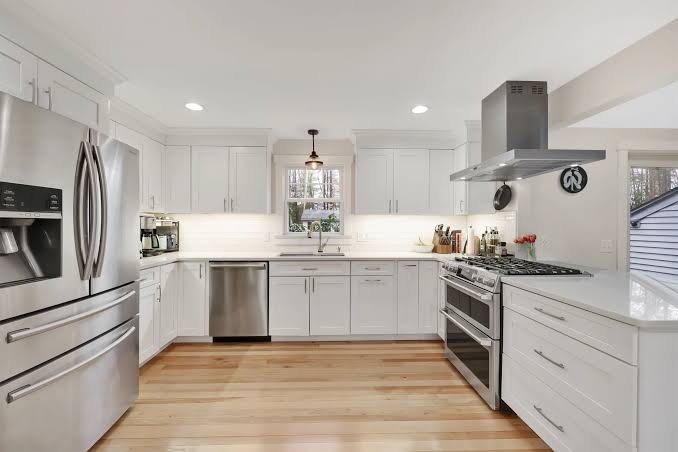
East Longmeadow, MA Home Remodeling Guide: Plan a More Comfortable, Functional Home
Key Takeaways
- Begin with the problems that affect comfort, safety, storage, and daily routines.
- Review the home’s existing systems and structure before committing to a final design.
- Confirm permit, zoning, and inspection requirements before setting a construction schedule.
- Set aside a contingency fund for conditions hidden behind walls, floors, or ceilings.
- Select major materials early to reduce avoidable delays.
- Use a detailed written scope, change-order process, and communication plan.
Remodeling an established home in East Longmeadow is about more than choosing new finishes. The best projects solve daily problems, respect the home’s existing character, and make the space easier to live in through every season. Whether the goal is a more useful kitchen, a bathroom update, a finished basement, or better flow between rooms, thoughtful planning creates a stronger result.
Homeowners who are comparing professional support can explore remodeling contractor East Longmeadow MA services from Full Spectrum Remodeling. The company serves East Longmeadow and the wider Western Massachusetts area, with remodeling services for kitchens, bathrooms, basements, decks, and whole-home updates. Its local service information emphasizes detailed planning, regular communication, and remodeling approaches tailored to established homes and evolving household needs.
Start With the Home’s Real Problems
A successful remodel starts with function, not a collection of inspiration photos. Walk through the house at the busiest time of day and note what creates friction. It may be a cramped kitchen path, coats and shoes piled near the entry, a bathroom with limited storage, a drafty room, or a basement that cannot support the household’s use.
For example, a family might benefit more from a practical entry drop zone, durable flooring, and a better kitchen work triangle than from adding decorative features that do not improve the daily routine. Rank the list by urgency. Water intrusion, unsafe stairs, failing electrical components, and poor ventilation should generally be addressed before cosmetic updates.
Match the Remodel to the Existing House
Many homes in and around East Longmeadow have been updated in phases over the years. That can mean older plumbing beside newer fixtures, patched framing, uneven floors, or electrical systems that need review before new loads are added. A small bathroom or kitchen project can still involve meaningful work behind the finished surfaces.
Questions to Review Before Design Is Final
- Are there signs of moisture, staining, musty odors, or inadequate ventilation?
- Where are the electrical panel, plumbing shutoffs, vents, and structural access points?
- Can the current layout support the desired appliances, fixtures, or storage?
- Which areas of the home must remain usable during construction?
- Are there older repairs or additions that should be examined before demolition begins?
This early review helps homeowners make decisions based on the house’s actual condition. It also reduces the chance that an attractive plan becomes difficult to execute once walls are opened.
Check Local Requirements Before Setting the Schedule
Permit and approval needs vary by project. Structural changes, additions, decks, basement conversions, and changes to plumbing or electrical systems may involve different reviews than a simple finish replacement. Before ordering materials or promising a start date, homeowners should confirm the applicable requirements with the town and the professionals involved.
For projects involving site plans, special permits, subdivisions, or related property questions, the town’s Planning Board information explains its role, meeting schedule, and online permitting process. Building-related permits and inspections should also be discussed early so the project sequence accounts for them.
Build a Budget That Can Handle Surprises
A wish list is not the same as a working remodeling budget. A useful budget separates the project into clear categories, including labor, materials, permits, design, waste removal, temporary living arrangements, and contingency funds. This makes it easier to see where the money is going and which upgrades are optional.
- List the non-negotiable improvements first.
- Separate practical needs from upgrades that can be postponed.
- Choose an expected finish level before comparing estimates.
- Ask which items are fixed costs and which are allowances.
- Decide how changes will be documented, priced, and approved.
Older homes can reveal concealed issues after demolition, such as moisture damage, outdated wiring, or framing that needs correction. A contingency reserve gives homeowners room to respond without making rushed decisions or sacrificing essential parts of the project.
Choose Materials for Western Massachusetts Conditions
Material choices should reflect real use. Wet boots at exterior entries, snowy weather, indoor humidity, and busy winter routines can be hard on floors, doors, paint, and hardware. Slip-resistant flooring, washable wall finishes, moisture-aware bathroom materials, durable cabinet hardware, and properly sealed exterior doors can all support easier maintenance.
Comfort upgrades deserve attention during remodeling because walls, ceilings, and floors may be easier to access while work is underway. Air sealing, insulation improvements, window planning, and heating-system coordination can be worth discussing as part of a larger project. Massachusetts residents can review available assessments, insulation support, and heat-pump incentives as part of energy-saving opportunities for homeowners and renters when evaluating efficiency-related work.
Plan for Daily Life During Construction
Even a well-managed remodel changes how a household operates for a while. Before work begins, establish where workers will enter, where materials will be stored, how dust will be contained, and who will handle debris removal. A kitchen remodel may require a temporary food-preparation area, while a bathroom project may require an alternate bathing plan.
Questions to Ask Before Work Begins
- Which rooms and pathways will be protected?
- How often will the work area be cleaned?
- What is the plan for pets, children, and daily access to the home?
- Who will communicate schedule updates or delays?
- What happens if the team discovers hidden damage or an unexpected condition?
Compare Contractors by Process, Not Just Price
A lower estimate is not always the better value if it leaves out preparation, permits, cleanup, material allowances, or finish details. Compare proposals line by line. A strong estimate should describe the scope of work, major selections or allowances, payment milestones, projected timing, warranty information, and the process for handling changes.
Ask each contractor how communication works once construction begins. One primary contact, written approvals, and regular progress updates make it easier to track decisions. This is particularly important when a project involves several trades and multiple inspections.
Common East Longmeadow Remodeling Questions
How early should planning begin?
Begin as soon as the project becomes a serious goal. Time is needed to define the scope, select materials, compare proposals, confirm requirements, and arrange a practical construction window.
Should every room be remodeled at once?
Not necessarily. Combining related work can reduce repeated disruption, but phased remodeling can be practical when budget, household needs, or timing call for a more gradual approach.
What makes a remodel easier to manage?
Clear priorities, realistic allowances, early material selections, written decisions, and a plan for living through construction all help keep the project organized.
Bring the Plan Back to Everyday Living
The strongest East Longmeadow remodels are not defined only by dramatic before-and-after photos. They make the home warmer, more functional, easier to maintain, and better suited to its occupants. By addressing real problems first, checking local requirements, preparing for surprises, and choosing a clear communication process, homeowners can turn a scattered list of ideas into improvements that continue to work well for years.