Electricians and the Importance of Proper Wiring
Electrical systems depend on wiring to deliver power safely and reliably throughout a building. While outlets, switches, and fixtures are visible, the wiring hidden behind walls and ceilings is responsible for performance and safety. When wiring is installed correctly, electricity flows smoothly and predictably. When it is poorly planned or improperly installed, risks increase quietly over time. Electricians play a critical role in making sure wiring supports both current needs and future demands. Their work affects how safely power is distributed, how equipment performs, and how resilient a building remains as usage changes. Understanding the importance of proper wiring helps explain why professional electrical work is essential for long-term safety.
Also Read: Painting Trends 2026: Colors & Styles Homeowners Are Loving
Why Proper Wiring Matters
- Planning Electrical Pathways with Purpose
Proper wiring begins with thoughtful planning that considers how a building will use electricity daily. Electricians evaluate room functions, appliance placement, and expected power demand before routing any wires. This planning ensures circuits are distributed evenly rather than overloaded in one area. Without this foresight, wiring may struggle to handle routine usage, leading to overheating or frequent interruptions. In many projects completed by companies such as JDV Electric, careful planning is often highlighted as a reason systems remain stable over time. Purposeful wiring layouts also enable future upgrades without disrupting existing circuits. This structured approach helps buildings adapt as technology and electrical requirements evolve, reducing the risk of later unsafe modifications.
- Preventing Overheating and Electrical Strain
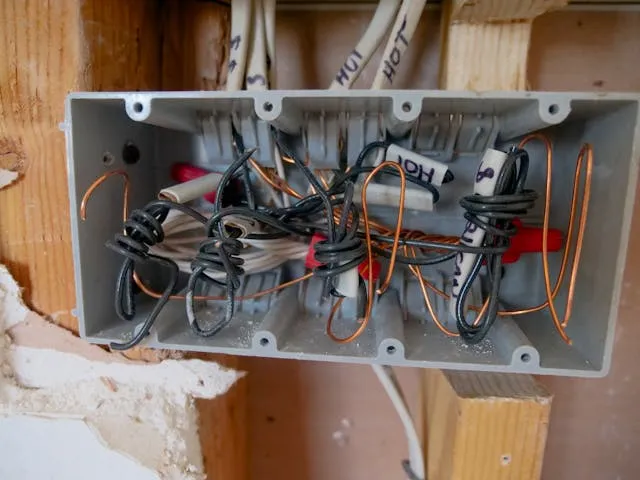
One of the main dangers of improper wiring is excessive heat buildup. When wires are undersized, loosely connected, or forced to carry more current than intended, resistance increases. This resistance generates heat that can damage insulation and surrounding materials. Electricians prevent this by selecting appropriate wire sizes and securing connections properly. They also ensure circuits are matched to expected loads, reducing stress during peak usage. Proper wiring allows current to move efficiently, keeping temperatures within safe ranges. Over time, this reduces wear on insulation and lowers the risk of electrical fires. By focusing on proper wiring, electricians protect both the system and the structure it serves.
- Adapting Wiring to Modern Power Demands
Modern buildings rely on far more electrical devices than those constructed decades ago. Charging stations, smart devices, and high-powered appliances place new demands on wiring systems. Electricians assess whether existing wiring can support these loads safely or if updates are needed. Proper wiring upgrades help prevent unsafe workarounds, such as excessive use of extension cords or overloaded outlets. Electricians integrate new circuits in a way that complements existing systems rather than competing with them. This adaptability supports safer expansion of electrical capacity while maintaining system balance. Proper wiring helps future-proof buildings against rising electrical demand.
- Grounding and Protection Through Wiring Design
Grounding is a fundamental aspect of proper wiring that protects both people and equipment. Electricians design grounding paths that allow excess electrical energy to discharge safely into the ground. Without effective grounding, faults can energize metal surfaces or damage appliances. Proper wiring ensures grounding connections are continuous and secure throughout the system. This design reduces the risk of electric shock and protects sensitive electronics from surges. Grounding also supports protective devices that interrupt power during abnormal conditions. Through careful wiring design, electricians create systems that respond safely when issues arise, preventing hazards from escalating.
- Long-Term Reliability and Maintenance Benefits
Proper wiring contributes to long-term reliability by making electrical systems easier to maintain and inspect. When wiring is installed in accordance with clear standards, electricians can quickly identify issues and address them without unnecessary disruption. Reliable wiring reduces the frequency of service calls caused by hidden faults or inconsistent performance. It also supports accurate troubleshooting, saving time and reducing risk during repairs. Over the life of a building, these benefits add up to safer operation and fewer unexpected issues. Proper wiring is not just about initial installation but about creating a system that remains dependable as conditions change.
Electricians ensure safety and reliability by installing wiring that matches both present and future electrical needs. Through planning, heat control, grounding, and organization, proper wiring supports stable power delivery and reduces hidden risks. This work protects people, equipment, and buildings from hazards that develop quietly over time. When wiring is handled correctly from the start, electrical systems operate more predictably and adapt more easily to change. Proper wiring is not a visible feature, but it is a foundational element of electrical safety, made possible through careful and informed work by electricians.