
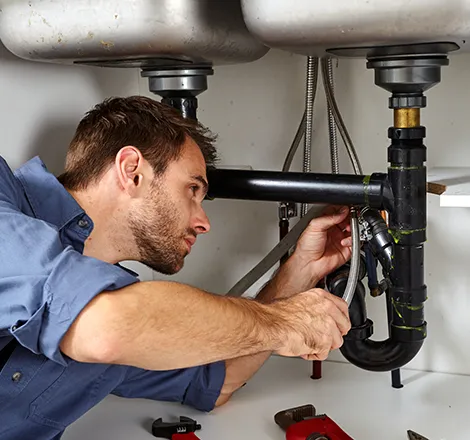
Essential Strategies for Efficient Commercial Plumbing
Table of Contents
- Understanding Commercial Plumbing Systems
- Implementing Preventive Maintenance Programs
- Addressing Issues Promptly
- Investing in Quality Fixtures and Materials
- Training Staff on Basic Plumbing Care
- Water Conservation Strategies
- Emergency Preparedness
- Compliance and Inspections
- Conclusion
Also Read: Transform Your Yard: Top Decoradyard Tips for Outdoor Beauty
Managing a busy commercial facility requires careful attention to many crucial systems, including plumbing. Facility managers face unique challenges in keeping these complex networks functioning safely, efficiently, and in compliance with rigorous regulations. Working proactively with a reputable commercial plumbing contractor in Maryland can help prevent costly disruptions and keep your business running smoothly. Applying best practices ensures your commercial plumbing remains reliable while controlling expenses and supporting sustainability efforts. Commercial plumbing systems handle heavier use and greater demands than residential systems. Proper maintenance, timely issue resolution, and smart equipment choices lead to fewer emergencies, less water waste, and lower repair costs. Day-to-day wear and tear, misuse, and deferred maintenance often create headaches for property managers. A comprehensive approach that combines staff training, water conservation measures, regular inspections, and emergency preparedness is vital to the long-term success of your facility.
Understanding Commercial Plumbing Systems
Commercial plumbing systems are complex by design. Unlike homes, commercial properties must manage high-volume use, varying pressures, and strict health and safety codes. These systems encompass extensive pipework, large-capacity water heaters, backflow prevention, grease traps, and, in some cases, industrial-grade filtration units. Compliance with local and national building standards is mandatory to ensure both safety and efficiency at all times.
Implementing Preventive Maintenance Programs
Preventive maintenance is the most effective way to avoid catastrophic plumbing failures. Experts recommend establishing a routine schedule, which should include:
- Monthly walkthroughs and visual inspections to catch obvious leaks or corrosion early.
- Quarterly visits from professional plumbers for performance checks on major components, such as pumps, valves, and water heaters.
- Annual full-system audits of pipes, drains, and sewage ejectors to tackle hidden problems and ensure compliance with updated codes.
Addressing Issues Promptly
Delays in fixing minor plumbing problems invite larger headaches. A small, undetected leak can eventually flood office spaces, threaten inventory, and cause unsafe mold growth. Responding quickly to reports of low water pressure, unexpected noises, or visible leaks minimizes disruptions and helps avoid damaging costs. Businesses that establish clear maintenance reporting procedures for maintenance staff and occupants experience faster response times and fewer major repairs.
Investing in Quality Fixtures and Materials
The right equipment pays off in both the short and long term. Commercial-grade fixtures are engineered to withstand high volumes and frequent handling. Areas where investment is especially crucial include:
- High-efficiency toilets and urinals that lower water costs and comply with environmental standards.
- Touch-free or sensor-activated faucets that reduce both water consumption and the transmission of germs.
- Corrosion-resistant piping materials (such as copper or PEX) that handle increased pressure and last for decades with routine care.
These investments lead to fewer breakdowns and compliance failures, supporting smoother daily operations and reducing unnecessary expenses.
Training Staff on Basic Plumbing Care
Facility staff play a critical role in keeping plumbing problems in check. Training should cover how to spot small leaks, what not to flush or pour down drains, and where to locate shut-off valves in case of sudden flooding or pipe bursts. Empowering employees with these skills ensures minor issues are addressed before they become major ones, and it builds a culture of accountability around property care.
Water Conservation Strategies
Water conservation not only controls utility bills but also demonstrates responsible stewardship of valuable resources. Quick wins include installing low-flow fixtures, installing automated or timed flushing systems in public restrooms, and conducting regular leak detection sweeps. As per EPA guidance, small changes in commercial buildings can yield dramatic savings—sometimes reducing water use by over 50 percent per fixture.
Emergency Preparedness
Critical incidents such as floods, backups, or broken lines require a well-developed emergency response plan. Keep diagrams of your facility’s plumbing layout on hand, ensure that shut-off valves are marked and accessible, and store basic tools or sandbags in case flood control becomes necessary. Always have a list of local emergency plumbing contacts available for staff.
Compliance and Inspections
Maintaining compliance with local health, safety, and building codes is non-negotiable. This usually means:
- Annual certification and testing of backflow prevention devices.
- Scheduled cleaning and inspection of grease traps, as required by most municipalities.
- Regular review of fire suppression and anti-scald systems to ensure proper function.
Failing to meet compliance requirements can result in fines, insurance complications, and safety risks for occupants.
By establishing a consistent maintenance routine and prioritizing education and quality, facility managers can reduce expenses, extend the lifespan of their infrastructure, and ensure ongoing regulatory compliance. Proactive commercial plumbing management leads to higher tenant satisfaction and an overall safer environment for everyone in the building.
Conclusion
Effective commercial plumbing management is essential for maintaining a safe, efficient, and compliant facility. By prioritizing preventive maintenance, investing in quality fixtures, training staff, and preparing for emergencies, facility managers can reduce costly repairs and extend the lifespan of their plumbing systems. A proactive approach not only supports smooth daily operations but also promotes sustainability, tenant satisfaction, and long-term cost savings.