Trends Shaping Tulsa’s Homebuilding Market in 2026 & Beyond
Key Takeaways
- Steady Growth in Housing Starts: Over 3,000 new housing starts have been recorded in 2025, showing sustained momentum in home construction.
- Increased Buyer Power: Buyers now have more say in negotiations due to longer listing times and typical price reductions.
- Focus on Energy Efficiency: New homes are increasingly built with energy-saving technologies to appeal to cost- and eco-conscious buyers.
- Broader Housing Options: Zoning reforms are paving the way for a wider range of affordable homes to meet Tulsa’s growing needs.
Table of Contents
- Steady Growth in Housing Starts
- Increased Buyer Negotiating Power
- Emphasis on Energy Efficiency
- Expansion of Housing Options
- Conclusion
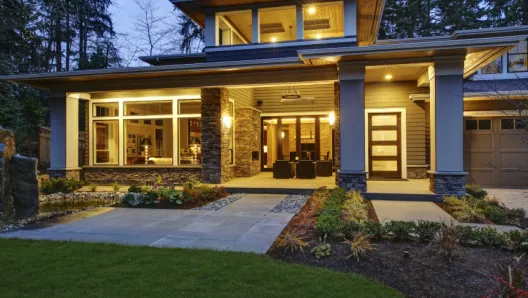
As Tulsa’s housing market evolves, staying ahead of the curve is essential for homebuyers aiming to make smart investments. Whether searching for traditional properties or more modern builds, understanding current trends is the key to finding the best fit. New patterns in home construction, pricing dynamics, and city planning are setting the stage for the future of residential living in Tulsa. Home shoppers interested in luxury opportunities should also consider custom homes in Tulsa with modern luxury features, as they offer an array of high-end amenities tailored to contemporary lifestyles.
From increased leveraging power for buyers to environmentally conscious upgrades, the local real estate landscape is quickly adapting to meet shifting demands. As population growth and economic factors push housing needs to new levels, city planners and builders are responding with creative solutions. Being aware of these changes will help buyers make informed, confident decisions.
This overview delves into the current state of homebuilding in Tulsa. It highlights why energy efficiency and zoning reforms matter for future buyers and how shifting market dynamics are providing unique opportunities. With Tulsa’s goals of expanding residential options and supporting diverse communities, understanding these trends is crucial for both newcomers and long-time residents considering a move.
Steady Growth in Housing Starts
The Tulsa region’s residential market remains robust, driven by consistent construction activity. As of November 2025, the area tallied 212 housing starts that month alone, pushing the annual total to 3,054. This continued expansion underscores both the market’s resilience and the community’s steady influx of new residents. Notably, Broken Arrow accounted for 76 November starts and 630 for the year, outpacing other parts of the county. Tulsa proper maintained momentum with 38 new builds for the month and 328 for the year, demonstrating a healthy appetite for new homes across the metro. These numbers reflect sustained demand fueled by job growth, a stable local economy, and attractive quality-of-life factors, as reported by the Home Builders Association of Greater Tulsa.
Increased Buyer Negotiating Power
Market dynamics are currently tipping in favor of buyers. Traditionally, sellers held the advantage as buyers competed amidst low inventory. However, with longer days on market and more frequent price adjustments, buyers now have space to negotiate. Recent data shows that the average home in Tulsa is selling for about 97% of its list price. This suggests that sellers are more receptive to negotiation, giving buyers a unique window to secure better terms.
Additionally, seller concessions have become more common, including contributions to closing costs and incentives such as mortgage rate buydowns. These changes are making home purchases more accessible, especially for first-time buyers and those seeking value. For more information on changing real estate trends nationwide, see this Axios resource.
Emphasis on Energy Efficiency
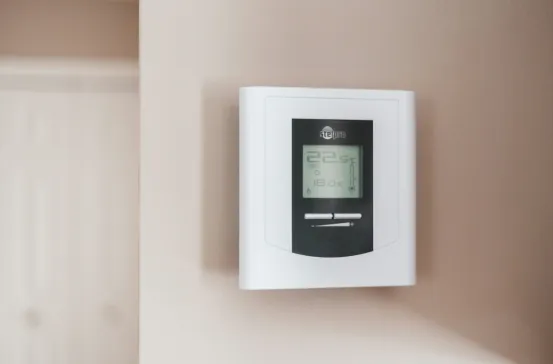
Modern homebuyers prioritize sustainability and efficiency when evaluating new homes. Builders in Tulsa are meeting this demand by integrating energy-efficient features like high-performance windows, advanced insulation, tankless water heaters, and programmable thermostats. These enhancements support green living while helping homeowners reduce monthly utility costs. According to Energy Star, homes built to current standards can dramatically lower utility bills compared to older properties. This means buyers not only enjoy lower ongoing expenses but also contribute to environmental health, which is a growing concern across many communities.
Expansion of Housing Options
To accommodate rapid population growth and evolving preferences, Tulsa city officials are weighing significant zoning reforms. One of the most impactful proposals is expanding the Neighborhood Infill Overlay. This change would facilitate the development of “missing middle” housing, such as duplexes, triplexes, townhomes, and small apartment buildings, in areas traditionally dedicated to single-family homes. The move is designed to create more affordable pathways to homeownership and ensure a diverse array of options for buyers at all stages of life. Experts estimate Tulsa will need about 13,000 additional housing units within the coming decade, so these reforms are timely and necessary for the city’s sustained growth and affordability.
Conclusion
The Tulsa housing market is in a period of rapid evolution, with homebuilders, buyers, and city leaders all working to shape a more inclusive and dynamic future. Steady new construction, greater negotiating leverage for buyers, a focus on sustainable features, and expanded housing diversity are all signaling new directions for Tulsa’s neighborhoods. Prospective buyers who stay up to date with these trends will be best positioned to capitalize on opportunities and secure homes that fit both their lifestyle and long-term investment goals.