
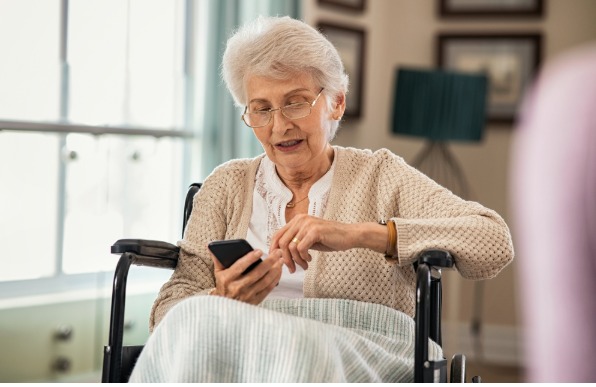
Home Automation Solutions for Seniors with Disabilities
Technology has transformed the way people live, making homes safer, more comfortable, and easier to manage. For seniors and people with disabilities, home automation offers practical solutions that support independence while improving everyday quality of life. Tasks that once required physical effort or assistance from a caregiver can now be completed with the touch of a button, a mobile phone, or a simple voice command.
Home automation is no longer considered a luxury reserved for high end properties. It has become an accessible option for many households, with a wide range of smart devices designed to meet different needs and budgets. Whether someone is ageing in place, living with limited mobility, or managing a long term disability, smart home technology can create a more accessible and secure living environment.
Here is a closer look at how home automation solutions can benefit seniors and people with disabilities and which technologies can make the biggest difference.
What Is Home Automation?
Home automation refers to connected devices and systems that allow homeowners to control different parts of their home electronically. These systems often connect through a wireless network and can be managed using a smartphone, tablet, remote control, or voice assistant.
Smart home technology can control lighting, heating, cooling, doors, security systems, appliances, entertainment systems, and much more. Many devices can also be programmed to operate automatically at specific times or respond to certain conditions without requiring manual input.
For people with mobility limitations, reduced strength, vision impairment, or other physical challenges, these technologies can reduce barriers and make everyday activities easier.
Promoting Independent Living
One of the greatest benefits of home automation is the ability to support independent living.
Many seniors and people with disabilities want to remain in their own homes for as long as possible. Smart technology allows individuals to perform daily tasks with less physical effort while reducing reliance on family members or professional carers.
Simple actions such as turning lights on and off, adjusting room temperature, opening blinds, locking doors, or checking security cameras can all be completed without moving around the home.
Maintaining independence often improves confidence, wellbeing, and overall quality of life.
Smart Lighting Systems
Lighting is one of the simplest yet most valuable home automation upgrades.
Smart lighting allows lights to be controlled remotely through an app or voice commands. Lights can also be programmed to switch on automatically when someone enters a room or at scheduled times throughout the day.
For seniors, automatic lighting reduces the need to walk through dark rooms, lowering the risk of trips and falls.
Motion activated lights are especially useful in hallways, bathrooms, staircases, and outdoor pathways where visibility is important during the night.
Smart lighting also benefits people with limited mobility who may find reaching wall switches difficult.
Voice Controlled Assistants
Voice activated technology has become one of the most popular accessibility tools available today.
Virtual assistants allow users to control multiple smart devices using spoken commands. They can adjust lighting, play music, make phone calls, provide reminders, answer questions, control televisions, and operate compatible household appliances.
For individuals with limited hand movement or mobility challenges, voice control removes the need to physically operate switches or remote controls.
Voice assistants can also provide medication reminders, appointment alerts, weather updates, and emergency contact information, helping users stay organised and connected.
Smart Door Locks
Traditional locks can sometimes be difficult to operate for people with arthritis, reduced hand strength, or limited dexterity.
Smart locks allow doors to be unlocked using a keypad, mobile phone, fingerprint recognition, or voice command depending on the system.
Some models allow trusted family members or carers to access the home without requiring physical keys. Temporary access codes can also be created for healthcare workers, cleaners, or maintenance personnel.
Many systems automatically lock the door after it closes, providing additional peace of mind and improving home security.
Video Doorbells and Security Cameras
Safety is a priority for every homeowner, especially those living alone.
Smart video doorbells allow residents to see who is at the front door without needing to approach it. Live video feeds can be viewed through smartphones or tablets, allowing users to communicate with visitors remotely.
Security cameras provide additional protection by monitoring entrances, driveways, gardens, and other areas around the property.
Family members may also appreciate the added reassurance that loved ones have reliable security systems in place.
Smart Thermostats
Maintaining a comfortable indoor temperature is important for health and wellbeing.
Smart thermostats allow heating and cooling systems to be adjusted remotely or programmed to maintain preferred temperatures throughout the day.
Individuals with mobility limitations no longer need to walk across the home to adjust settings manually.
Automatic temperature control can also improve energy efficiency by reducing unnecessary heating or cooling when rooms are not in use.
This can result in lower energy bills while maintaining a comfortable living environment.
Automated Window Coverings
Opening and closing curtains or blinds may seem like a simple task, but it can become difficult for people with limited mobility or reduced upper body strength.
Motorised blinds and curtains can be controlled using voice commands, remote controls, wall switches, or mobile applications.
Scheduled opening and closing times can also improve privacy, regulate indoor temperatures, and maximise natural light throughout the day.
Automated window coverings add both convenience and comfort while reducing physical effort.
Smart Appliances
Modern household appliances increasingly include smart features that simplify everyday tasks.
Smart ovens can be preheated remotely, washing machines can notify users when cycles are complete, and robotic vacuum cleaners can automatically clean floors according to a schedule.
Smart refrigerators may even monitor food supplies and provide maintenance alerts.
These appliances help reduce daily workloads while making household management more efficient.
For people with disabilities, reducing repetitive physical tasks can make independent living much easier.
Emergency Response Systems
Emergency response technology provides valuable protection for seniors and people living alone.
Many smart home systems can detect unusual activity, falls, smoke, carbon monoxide, water leaks, or security breaches.
Alerts can be sent immediately to family members, carers, or emergency services when assistance may be required.
Some wearable emergency buttons also integrate with smart home systems, allowing users to call for help from anywhere inside the home.
These technologies provide reassurance for both residents and their families.
Medication Reminders and Daily Scheduling
Managing medications can become challenging, particularly for people taking multiple prescriptions.
Smart speakers and home automation systems can provide scheduled reminders to take medication, attend appointments, drink water, or complete daily activities.
Some automated medication dispensers release the correct dosage at the appropriate time while sending notifications if doses are missed.
These features help support better health management while reducing the risk of medication errors.
Improving Accessibility Throughout the Home
Home automation works even better when combined with accessible home modifications.
Features such as wider doorways, step free entrances, accessible bathrooms, grab rails, and wheelchair friendly layouts can be enhanced by smart technology.
For example, automated lighting, voice controlled doors, and smart bathroom ventilation systems work together with physical accessibility improvements to create a safer and more functional living environment.
The combination of thoughtful design and modern technology provides long term benefits for people with changing mobility needs.
Supporting Family Members and Caregivers
Home automation benefits not only the individual using the technology but also their family members and caregivers.
Remote monitoring features allow trusted family members to check that doors are locked, indoor temperatures remain safe, and emergency alerts have not been triggered.
Some systems also provide activity monitoring that can identify unusual behaviour patterns, allowing family members to respond quickly if something appears out of the ordinary.
These features offer peace of mind while respecting the independence and privacy of the person living in the home.
Choosing the Right Home Automation System
Every person’s needs are different, so there is no single home automation solution that suits everyone.
Before selecting devices, consider factors such as mobility, vision, hearing, cognitive ability, daily routines, and future requirements.
Choose systems that are easy to use and compatible with one another. Products that integrate into a single platform are often simpler to manage than multiple independent systems.
Working with professionals who specialise in accessible home technology can help ensure devices are installed correctly and meet the user’s specific needs.
Final Thoughts
Home automation is changing the way seniors and people with disabilities experience daily life. By making everyday tasks easier, improving home safety, and supporting greater independence, smart technology allows people to remain comfortable in their own homes for longer.
From smart lighting and voice controlled assistants to automated locks, security systems, medication reminders, and intelligent climate control, home automation offers practical solutions that reduce physical effort while enhancing confidence and wellbeing.
When combined with accessible home design and thoughtful planning, these technologies create living spaces that are safer, more convenient, and better suited to changing needs. Investing in home automation is not simply about adding modern technology. It is about creating a home that supports independence, improves quality of life, and provides peace of mind for both residents and their loved ones for many years to come.