Top Signs Your Sydney Roof Needs Repairs Before Winter Hits
As winter approaches in Sydney, property owners begin preparing their homes and commercial buildings for colder temperatures, heavier rainfall and stronger weather conditions. While Sydney winters are generally milder compared to other parts of Australia, the seasonal shift still places additional pressure on roofing systems.
A roof that is already weakened or damaged can quickly become a major problem once winter rain sets in. Small issues that seem minor during dry weather often turn into leaks, structural deterioration and internal water damage when exposed to prolonged rainfall.
Identifying early warning signs before winter arrives is one of the most effective ways to avoid costly repairs and unexpected emergencies. Regular roof checks and timely maintenance can significantly extend the lifespan of your roofing system and protect your property.
This guide outlines the most common signs that your roof may need repairs before winter hits Sydney.
Water Stains on Ceilings or Walls
One of the clearest indicators of roof problems is the appearance of water stains inside the building. These stains often show up as brown, yellow or dark patches on ceilings or upper walls.
Water stains usually mean that moisture has already entered the roofing system and is making its way into the internal structure. Even if the leak appears small or intermittent, it can worsen quickly during winter rain.
In many cases, the actual source of the leak may be located far from where the stain appears inside the building. This makes professional inspection essential to accurately identify and repair the issue.
Ignoring water stains can lead to mould growth, damaged plasterboard and long term structural problems.
Missing or Damaged Roof Tiles
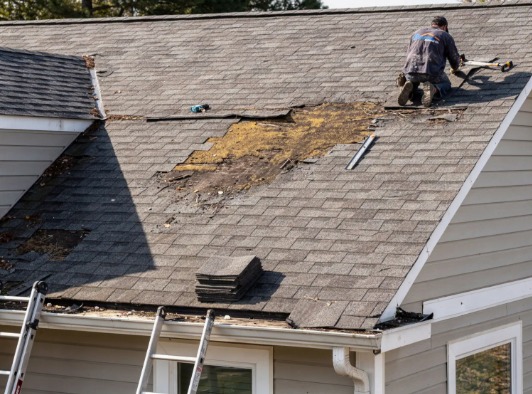
For homes and buildings with tiled roofs, missing or cracked tiles are a common issue. Strong winds, falling debris and general wear and tear can cause tiles to become loose or break over time.
Even a single missing tile can allow water to enter the roof cavity during heavy rain. Once moisture penetrates the underlay and structural layers, it can spread quickly and cause widespread damage.
Damaged tiles should be replaced as soon as they are identified to maintain the integrity of the roof system. Regular roof inspections are especially important after storm events or periods of high wind.
Rust or Corrosion on Metal Roofing
Metal roofing is widely used across Sydney for both residential and commercial buildings. While it is generally durable and weather resistant, it is still vulnerable to rust and corrosion over time.
Rust often begins in small areas where protective coatings have worn away. It may appear around screws, joints or roof edges.
If left untreated, corrosion can spread and weaken the structural integrity of the roof. This can eventually lead to leaks or even structural failure in severe cases.
Early treatment of rust spots and timely repainting or sealing can significantly extend the life of a metal roof.
Blocked or Overflowing Gutters
Gutters play a critical role in directing rainwater away from the roof and building structure. When gutters become blocked with leaves, dirt or debris, water can overflow and pool around the roof edges.
This can lead to water damage on fascia boards, internal leaks and erosion around the building foundation.
In winter, heavy rainfall increases the risk of gutter overflow, making it essential to ensure they are clean and functioning properly before the season begins.
Overflowing gutters are also a sign that water is not draining efficiently, which may indicate deeper roof drainage issues.
Sagging or Uneven Roof Areas
A sagging roof is a serious warning sign that should never be ignored. It often indicates structural issues caused by prolonged water damage, weakened supports or excessive weight on the roof surface.
Sagging may be subtle at first but can become more noticeable over time. It is often visible as dips or uneven lines along the roof surface.
This type of damage requires immediate professional attention, as it can pose a safety risk if left untreated.
In some cases, sagging may be caused by hidden water pooling within the roof structure, which becomes more problematic during winter rain.
Damp or Musty Smells Indoors
Unpleasant smells inside the building can sometimes indicate hidden moisture problems in the roof. A damp or musty smell often suggests that water is entering the roof cavity and affecting insulation or timber structures.
Even if there are no visible leaks, moisture build up can still cause mould growth and internal deterioration.
This is particularly common in older buildings or roofs with poor ventilation. Addressing the source of moisture early helps prevent long term health and structural issues.
Peeling Paint or Bubbling Plaster
Changes to interior finishes such as peeling paint, bubbling plaster or warped surfaces can also be signs of roof leaks.
When water seeps into ceilings or walls, it affects the materials beneath the surface. Over time, this leads to visible damage inside the building.
These symptoms often indicate ongoing or recurring leaks that may worsen during winter rainfall if not repaired.
Increased Energy Bills
A damaged roof can also impact the energy efficiency of a building. Gaps, leaks or poor insulation allow heat to escape during winter, forcing heating systems to work harder.
This can result in noticeably higher energy bills.
While increased energy costs alone may not confirm roof damage, they can be a supporting indicator when combined with other warning signs.
Debris or Visible Roof Wear from Ground Level
Sometimes roof issues can be spotted without climbing onto the roof. Loose materials, broken tiles, debris or visible wear can often be seen from ground level or upper windows.
Regular visual inspections from a safe distance can help identify potential problems early.
Any noticeable changes in the roof appearance should be investigated further by a professional roofing specialist.
Why Winter Increases Roof Risks in Sydney
Winter weather in Sydney typically brings more consistent rainfall and cooler temperatures. While not extreme compared to other regions, these conditions still place additional stress on roofing systems.
Existing weaknesses such as small leaks, cracks or drainage issues often worsen during prolonged wet weather.
Water has more opportunity to penetrate damaged areas, and cooler temperatures can slow drying, allowing moisture to remain trapped in the structure.
This combination increases the risk of mould growth, structural damage and internal deterioration.
Importance of Early Roof Repairs
Addressing roof issues before winter arrives is one of the most effective ways to avoid emergency repairs.
Early intervention allows for:
• Lower repair costs
• Reduced risk of water damage
• Improved building safety
• Better energy efficiency
• Extended roof lifespan
Small repairs completed early are often far more affordable than major restoration work required after prolonged damage.
The Role of Professional Roof Inspections
While some signs of roof damage can be observed visually, a professional inspection provides a much more accurate assessment.
Roofing specialists are trained to identify hidden issues that may not be visible from the ground or inside the building.
A full inspection typically includes checking tiles or metal sheets, flashing, gutters, drainage systems and structural components.
This ensures that all potential risks are identified before winter weather conditions increase the likelihood of damage.
Final Thoughts
Preparing your roof before winter is an essential part of property maintenance in Sydney. Early warning signs such as water stains, damaged tiles, rust, blocked gutters and sagging areas should never be ignored.
By identifying and addressing these issues early, property owners can avoid costly repairs, reduce safety risks and ensure their buildings remain protected throughout the colder months.
Regular inspections and timely maintenance are the most effective ways to keep roofs in good condition and prevent unexpected problems when winter weather arrives.