Home Inspection Critical During Cold Weather and Indoor
Cold weather changes how a home functions. In Southwestern Ontario, where winter often brings prolonged low temperatures, freeze-thaw cycles, and sustained indoor heating use, these changes can significantly affect a home’s safety and performance. While many homeowners associate winter issues with visible discomforts like drafts or ice buildup, some of the most important risks emerge quietly when homes are sealed against the cold.
Professional home inspections conducted during winter provide valuable insight into how a home behaves under seasonal stress. Rather than focusing on isolated components, winter inspections examine how heating systems, ventilation, and moisture interact when conditions are at their most demanding.
How Winter Conditions Alter Home Performance in Southwestern Ontario
Homes across Southwestern Ontario are exposed to a range of winter challenges. Older brick homes, common in established communities, often respond differently to cold weather than newer, tightly sealed houses built with modern energy-efficiency standards. Mid-century subdivisions, retrofitted homes, and recently constructed builds all exhibit unique winter performance characteristics.
During winter, heating systems operate consistently, windows remain closed, and natural ventilation is significantly reduced. These conditions alter air movement, pressure balance, and moisture behavior inside the home. Issues that remain subtle during spring or summer can become more pronounced once the heating season begins.
Understanding this seasonal shift is central to the value of a winter home inspection.
Expert Insight on Cold-Weather Home Behavior
According to Aaron Lee of A.L. Inspections, winter inspections reveal how interconnected systems respond when homes are operating differently than they do during warmer months.
“When heating systems are running consistently and windows are kept closed, a home behaves very differently than it does during the rest of the year,” explains Aaron Lee of A.L. Inspections a service offering commercial and home inspections. “A winter home inspection evaluates how heating, ventilation, and moisture levels interact under these conditions, providing valuable insight into performance and safety that may not be apparent outside of cold weather.”
This systems-based approach is especially important in regions like Southwestern Ontario, where homes experience extended heating seasons and variable winter weather patterns.
Continuous Heating and System Interaction
During winter, heating systems are under sustained demand. Furnaces, boilers, and heat distribution systems operate for longer periods, often revealing how well a home maintains consistent indoor conditions.
Professional inspections observe how heating performance interacts with other aspects of the home, such as airflow and moisture movement. Rather than evaluating heating equipment in isolation, inspectors consider how heat distribution, air pressure, and enclosure integrity work together during active winter use.
This perspective helps explain why winter inspections often provide insight that may not be available during milder seasons, when systems are used intermittently.
Moisture Behavior in Sealed Winter Homes
Moisture behaves differently in cold weather. As homes are sealed to retain heat, moisture generated indoors — from cooking, bathing, and everyday occupancy — has fewer opportunities to escape.
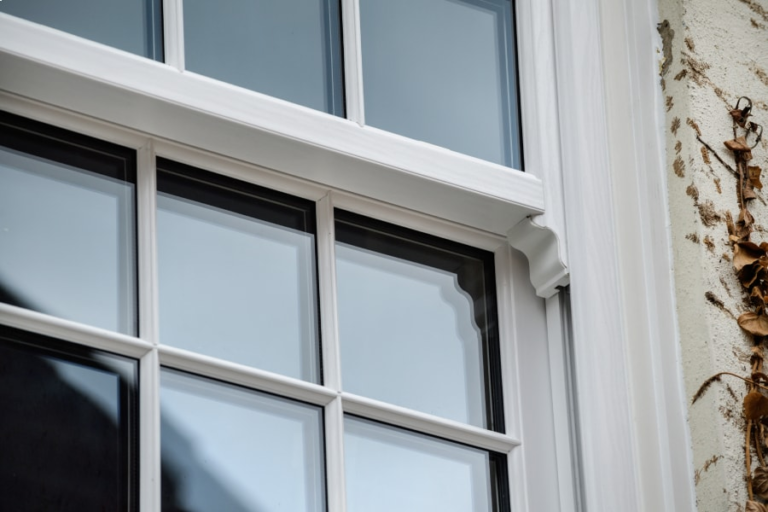
When warm, moist indoor air meets cold surfaces, condensation can form in areas such as windows, attics, basements, and exterior wall assemblies. Over time, this can affect building materials and indoor conditions, particularly in homes where ventilation is limited.
Winter inspections pay close attention to these areas, observing how moisture behaves under real-world heating conditions. In Southwestern Ontario, where freeze-thaw cycles are common, understanding moisture movement is especially relevant.
Ventilation Performance During the Heating Season
Ventilation plays a critical role in winter home performance. With windows closed and outdoor air exchange reduced, mechanical ventilation systems become increasingly important in maintaining balanced indoor conditions.
Professional inspections assess ventilation as part of a broader evaluation of the home’s operation. Inspectors observe how ventilation pathways function alongside heating systems and moisture control, rather than treating ventilation as a standalone feature.
This is particularly relevant for newer or energy-efficient homes, which rely on designed ventilation strategies to compensate for reduced air leakage during winter.
Why Winter Inspections Focus on System Interaction
Winter does not typically create new problems — it exposes how well existing systems work together under stress. Minor imbalances in airflow, insulation, or moisture control can become more noticeable when heating systems are running continuously.
A professional home inspection focuses on identifying patterns that suggest how different systems influence one another. This approach provides context, helping homeowners understand why a symptom observed in one area may relate to conditions elsewhere in the home.
By evaluating the house as a single, integrated system, winter inspections offer clarity that isolated checks cannot provide.
The Timing Advantage of Cold-Weather Inspections
Timing matters when it comes to inspections. Cold-weather inspections allow professionals to observe how a home performs during the most demanding part of the year, rather than relying on assumptions based on off-season conditions.
For homebuyers purchasing in fall or winter, inspections conducted during the heating season provide insight into real-time performance. For existing homeowners, winter inspections help clarify how the home responds to sustained heating use, supporting informed decisions before the coldest months intensify.
In Southwestern Ontario, where winter conditions can persist for months, this seasonal perspective is particularly valuable.
What Homeowners Gain From a Winter-Focused Inspection
A winter home inspection does not offer guarantees or diagnoses. Instead, it provides informed observations grounded in seasonal performance and regional construction realities.
Homeowners gain a clearer understanding of how their home functions when heating systems are active, ventilation is limited, and moisture behaves differently. This insight supports awareness of potential safety considerations without speculation, offering documentation that reflects real winter operating conditions.
Seeing the Home as It Operates in Winter
Winter places homes under the greatest demand. By evaluating heating, ventilation, and moisture interaction during cold weather, professional home inspections reveal how well a home manages seasonal stress.
As Aaron Lee notes, winter inspections provide insight that may not be apparent at other times of year. For homeowners in Southwestern Ontario, understanding how a home behaves during the heating season offers clarity when conditions matter most.
Disclaimer
This article is intended for general informational purposes only and does not constitute technical advice, diagnosis, or recommendations for repair. Home inspections are non-invasive, visual evaluations conducted at a specific point in time and do not guarantee future performance or condition. Readers should consult qualified professionals for property-specific concerns or assessments.