Home Safety Tips for the Cold Season
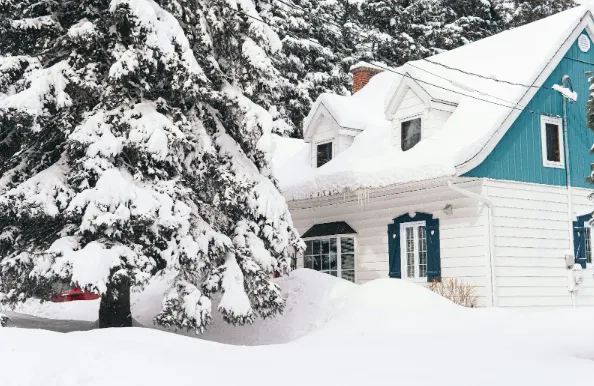
Winter brings its own set of challenges. As temperatures plummet and the festive season sets in, ensuring your home is a safe haven becomes a top priority. Simple precautions can make a world of difference when the cold season hits.
For starters, it’s a good idea to familiarize everyone in your household with the emergency numbers and locations of fire extinguishers. Quick access to essential services during emergency situations can be the difference between minor incidents and major disasters. Talking through an emergency plan with your family or roommates adds an extra layer of preparedness.
Also Read: Budget-Friendly Ways to Refresh a Tired-Looking Living Room
Ventilate, but Smartly
Keep fresh air circulating. It fights mold and dampness. But close those windows before bed. Warmth matters. Proper ventilation matters more when you’re huddled under blankets.
Your vents deserve attention. Ensure they’re open and clean. Blocked vents restrict airflow, reducing efficiency and costing you more.
Consider upgrading to a programmable thermostat that allows you to control the climate remotely. A well-regulated environment offers comfort while curbing utility bills. It’s a seamless addition that complements careful ventilation practices.
Introducing houseplants like Snake Plants or Peace Lilies not only elevates the atmosphere but also effectively increases humidity levels during dry winter months. These additions make the indoors cozier while contributing to better air quality.
Regular maintenance and cleaning are vital for safety, especially during the chilly months when fireplaces are in constant use. Consulting a professional service, such as a chimney sweep in Arizona, can ensure your chimney is in peak condition and ready for cozy winter fires.
Keep the Heat On
Nothing spells disaster like a failed heater in the dead of winter. Get it serviced now. It should roar to life without protest on the coldest days. Don’t make your heater the uninvited guest that fails to show up.
Don’t rely solely on space heaters. They’re risky. Unattended space heaters become fire hazards. Use them wisely.
Seal leaky windows and doors to prevent heat loss. Temporary solutions like draft stoppers or weather-stripping can minimize energy waste and maximize warmth. When using curtains, keep them open during the day to let in sunlight, but draw them tight at night to keep the warmth indoors.
To tackle unexpected heating challenges, consider investing in a small generator as a backup power source. While primarily useful during power outages, it can also assist as a supplementary heat source in extreme conditions. Remember to follow safety guidelines and ensure it is kept outdoors to avoid carbon monoxide buildup inside the home.
Mind the Pipes
Burst water pipes aren’t just inconvenient. They’re costly and messy. Insulate them. Insulate them again if you’re unsure. Frozen pipes can crack and flood your home in a heartbeat.
Let faucets drip if temperatures plummet. Moving water is less likely to freeze. Consider a smart water sensor for early leak detection. Prevention is king.
Lowering your thermostat slightly when you leave the house can reduce pressure on your heating system, but never switch it off entirely during cold spells. Maintaining a mild temperature helps safeguard plumbing and prevent other cold-related issues.
Additionally, if you’re planning a vacation during the winter months, it might be wise to shut off your main water valve before leaving. This proactive measure will considerably decrease the risk of severe water damage should a pipe freeze and burst in your absence.
Fire Safety First
Raging fires in the hearth are as comforting as they are deceptive. Sweep your chimney once. Sweep it once more if it’s been neglected. Safety isn’t seasonal.
Smoke alarms aren’t just placeholders. Test them now. Batteries have a lifespan. Don’t discover it when you need them most.
Panic Lighting
Power cuts during blizzards aren’t fun. They’re downright eerie. Stock up on torches and batteries. Leave the candles for romantic dinners.
Install motion sensor lighting outdoors. It deters unwanted visitors, human or animal. Light up your path before you step into darkness.
In addition to solar-powered lights, consider investing in reflective markers or paint for your outdoor paths and steps. These simple enhancements provide ways to maintain visibility and safety without relying on electricity.
Guard Against Slips
Icy paths beckon to accidents. Salt and sand your walkways. Both are your new best friends for traction. They offer cheap insurance against falls.
Don’t let down your yard. Trim branches that threaten to fall under the weight of snow. Protect your property and passersby. No lawsuit should stem from bad weather preparedness.
Lay down non-slip mats in entryways within your home. Upon coming in from the cold, wet soles can easily skid on tiled or wooden floors, so safeguard indoor areas just as you do outside.
Apart from matting, shoe racks fitted with absorbent mats or newspaper layers can also help in capturing the excess moisture and snow from footwear. They keep your floors clean and prevent accidental slips indoors.
Moving Forward
The cold season is relentless. It tests your resolve, preparation, and your home’s resilience. These tips aren’t merely suggestions—they’re mandates to ensure that both warmth and safety accompany this winter.