
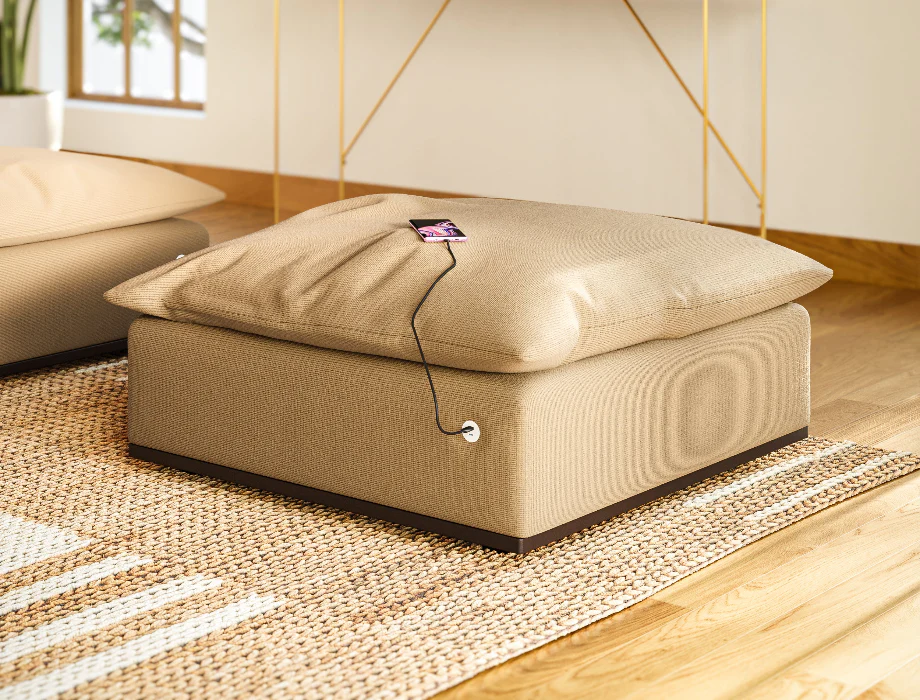
How an Ottoman Sofa Bed Adds Comfort and Functionality
An ottoman sofa bed has become a practical choice for people who want furniture that does more than one job. These pieces work as seating during the day and convert into sleeping space when needed. Research from furniture industry reports shows that dual-purpose furniture sales increased by 38% between 2020 and 2023, mainly because people started paying more attention to how they use their living spaces. The design combines a traditional ottoman with a pull-out or fold-out mattress system, and honestly, it’s pretty clever. Most models use high-density foam that’s rated between 1.8 to 2.5 pounds per cubic foot, which matters if you actually want someone to sleep comfortably on it.
Space Efficiency That Actually Works
The whole point here is saving space, and these things deliver on that. A standard ottoman sofa bed measures around 120 to 150 cm in width when closed, but extends to about 180 to 200 cm when you pull the bed out. I’ve seen studio apartments where this single piece replaced both a couch and a guest bed, freeing up roughly 4 to 6 square meters of floor space. That’s significant when you’re working with limited room. The transformation mechanism usually takes under 30 seconds, which means you’re not wrestling with complicated folding systems at midnight when a guest shows up unexpectedly.
Built-In Storage Changes the Game
Most ottoman sofa beds include storage compartments underneath the seating area, and this isn’t just a nice bonus. You’re looking at anywhere from 150 to 300 liters of storage space depending on the model. People use this for bedding, pillows, seasonal clothes, whatever needs hiding. The lift-up mechanism typically uses gas struts rated for 10,000 to 15,000 cycles, so they should last several years with regular use. From what I’ve observed, this storage feature often becomes the main reason people pick an ottoman bed over a regular sofa bed.
Material Quality Affects Long-Term Comfort
The upholstery matters more than you’d think. Polyester blends with at least 20% natural fibers tend to breathe better and last longer than pure synthetic covers. Leather and faux leather options exist too, but they can get sticky in hot weather unless the room has good air conditioning. The mattress itself should be at least 10 cm thick for occasional use, though 12 to 15 cm works better if you’re planning regular sleeping. Spring systems are less common in ottoman beds, but when present, pocket spring configurations with 200+ springs per square meter provide decent support.
Versatility for Different Living Situations
These beds work particularly well in home offices that double as guest rooms, studio apartments, or teenage bedrooms. The seating height usually ranges from 40 to 45 cm, which is standard for comfortable sitting. Weight capacity typically sits around 150 to 200 kg for the seating function and 120 to 150 kg for the bed mode. I think the real advantage shows up when you’re hosting people overnight but don’t want permanent bedroom furniture taking up space year-round.
Design Aesthetics That Fit Modern Interiors
One of the underrated strengths of an ottoman sofa bed is how easily it blends into different interior styles. Manufacturers now produce these in minimalist silhouettes, mid-century frames, or more classic tufted designs, so they don’t look like “convertible furniture” at first glance. Neutral tones like beige, charcoal, olive, and slate make it easy to match existing décor, while textured fabrics or faux leather finishes give the piece a more high-end feel. For people who care about aesthetics, this means getting practical functionality without compromising on the look of their living room a balance that’s increasingly important as homes double as work, rest, and entertainment spaces.