
How Daily Puzzles Can Help Maintain Mental Sharpness
Key Takeaways
- Puzzles can improve memory, attention, and problem-solving skills.
- Regular engagement in diverse puzzles supports cognitive flexibility.
- Combining puzzles with physical activity and social interaction amplifies brain health benefits.
Table of Contents
- Crossword Puzzles
- Sudoku
- Jigsaw Puzzles
- Chess
- Word Searches
- Brain Training Apps
- Combining Puzzles with Physical Activity
- Social Puzzle-Solving
- Conclusion
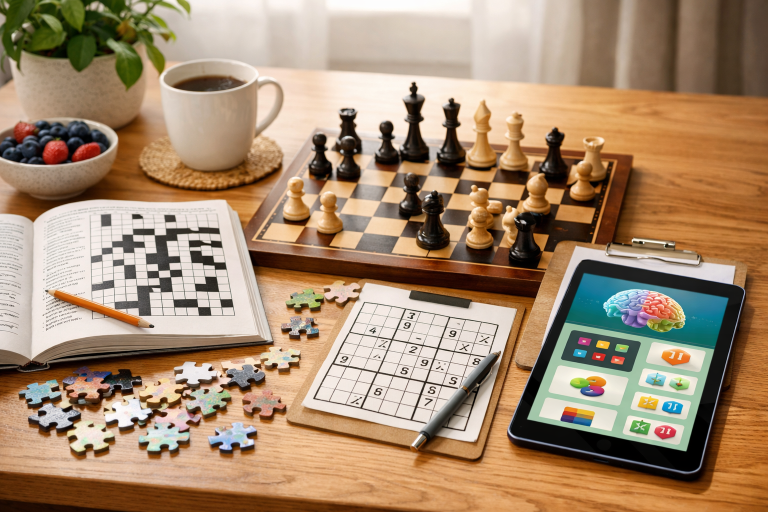
Engaging in puzzles isn’t just an enjoyable pastime; it is a proven way to strengthen brain function and support long-term cognitive health. Adding a range of puzzles to your daily schedule activates different areas of the brain and encourages enduring mental resilience. Well-designed puzzles, like those from the Penny Dell Puzzles crossword puzzle publisher, offer unique challenges that keep the brain energized while providing hours of entertainment.
Maintaining an active mind through regular problem-solving can slow cognitive aging and help guard against common memory lapses. The benefits are not limited to older adults; people of all ages can improve memory, attention, and problem-solving skills by adopting a puzzle habit. As neuroscience research increasingly highlights, cognitive stimulation is a crucial component of lifelong brain health.
For the best results, choose activities that challenge a spectrum of cognitive abilities, from language and logic to spatial reasoning and planning. Thanks to their adaptability, puzzles can be enjoyed solo, with others, or on digital platforms, making them suitable for nearly any lifestyle. Cumulative research also indicates that pairing mental challenges with social and physical elements multiplies their health advantages.
Diversifying the types of puzzles you engage with can also keep the mind flexible and more adaptable to new tasks. This flexibility translates into everyday life, helping with everything from remembering names to multitasking more efficiently. It’s clear that puzzles are not just games; they are fundamental tools for lifelong mental agility.
Crossword Puzzles
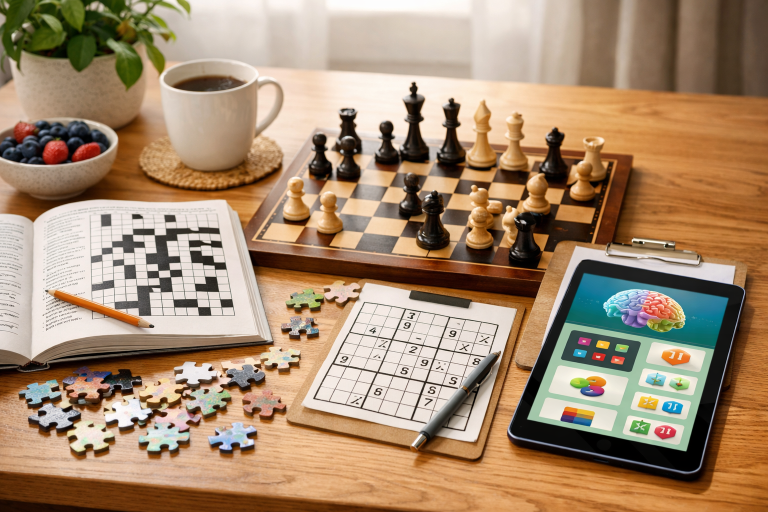
Crossword puzzles stimulate verbal skills and challenge both memory and vocabulary. Consistent practice has been connected to slower rates of cognitive decline and improved overall mental function. A New York Times article reports that crosswords may be especially effective at keeping the mind nimble and engaged for longer. Whether completed in a daily newspaper or on a smartphone app, they encourage mental flexibility and creative recall.
Sudoku
Sudoku is a logic-based puzzle that relies on pattern recognition and deductive reasoning. This brainteaser requires concentration and a step-by-step approach to solve, exercising executive functions and strengthening working memory. Studies cited by Psychology Today suggest that regular participation in these puzzles boosts overall cognitive agility, focus, and efficiency in everyday tasks.
Jigsaw Puzzles
Completing jigsaw puzzles is a hands-on way to promote strong visual-spatial reasoning, teamwork among brain hemispheres, and pattern identification. This activity requires sustained attention to detail, which can enhance both short-term recall and strategic thinking. Engaging with jigsaws has been shown to help stave off some types of cognitive impairment as people age, while also fostering patience and perseverance.
Chess
Chess is revered as a classic strategy game that sharpens foresight, planning, and complex problem-solving skills. Frequent chess play can boost intelligence, delay cognitive decline, and even improve academic performance in students. According to a Scientific American report, mastering chess involves activating multiple cognitive domains, which supports sustained mental growth and resilience.
Word Searches
Word search puzzles may appear simple, but they train the brain in scanning, pattern recognition, and linguistic recall. They offer a playful and accessible way to reinforce vocabulary and maintain cognitive sharpness. These puzzles are particularly popular among older adults who want to preserve word-finding and memory skills as they age.
Brain Training Apps
Brain training applications offer personalized, adaptive challenges designed to target a range of cognitive skills. Many platforms offer a combination of memory games, logic problems, and language-based tasks. It is wise to select brain training apps backed by reputable neuroscientists and health organizations to ensure their efficacy, especially given that some claims about cognitive improvement are not universally supported by scientific evidence.
Combining Puzzles with Physical Activity
Incorporating problem-solving challenges into activities that also engage the body, such as geocaching, walking puzzles, or escape rooms, delivers compounded benefits for brain health. Evidence indicates that integrating movement and mental challenge leads to richer neural stimulation and may promote stronger memory formation. This holistic approach also encourages regular exercise, a proven way to further support cognitive longevity.
Social Puzzle-Solving
Group puzzle activities like escape rooms and trivia boost social bonds and mental health. Neuroscience highlights social ties as crucial for emotional and cognitive well-being. Regular puzzle practice, both solo and in groups, combined with physical activity, fosters lifelong brain health, keeping the mind sharp, flexible, and resilient across life stages.
Conclusion
Engaging in puzzles and brain-training activities is an enjoyable and effective way to support cognitive health throughout life. From crosswords and Sudoku to chess, jigsaw puzzles, and interactive brain-training apps, these activities challenge memory, focus, reasoning, and problem-solving skills in meaningful ways. When combined with physical movement and social interaction, their benefits can become even more impactful, promoting emotional well-being alongside mental sharpness. By making puzzles and strategic games a regular part of your routine, you can help strengthen cognitive resilience, encourage lifelong learning, and keep your mind active, adaptable, and engaged for years to come.