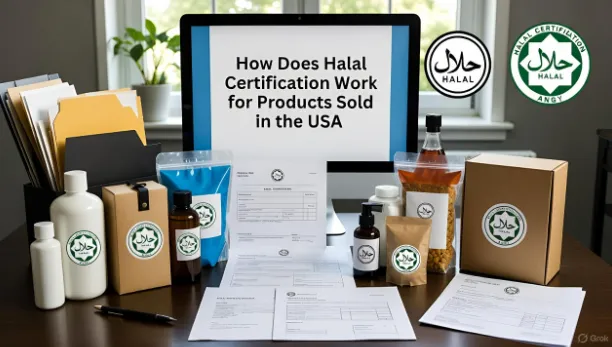
How Halal Certification Works in the USA: A Guide
The halal food market in the United States has experienced remarkable growth over the past decade, driven by an expanding Muslim population and increasing interest from non-Muslim consumers seeking ethical and quality food options. For businesses looking to tap into this lucrative market and consumers wanting to make informed purchasing decisions, understanding how halal certification works is essential.
Also Read: What Your Childhood Games Reveal About Leading Teams as an Adult
What Is Halal Certification?
Halal certification is a formal verification process that confirms a product meets Islamic dietary laws as outlined in the Quran and Hadith. The term “halal” means “permissible” in Arabic, and applies to food, beverages, cosmetics, pharmaceuticals, and other consumer goods. The certification ensures that products are free from prohibited substances like pork, alcohol, and improperly slaughtered meat, and that they’ve been processed according to Islamic principles.
When you see a halal certification label on a product, it provides assurance that the item has undergone rigorous inspection and meets the religious requirements necessary for Muslim consumption. This certification has become increasingly important as the global halal market continues to expand, with projections estimating it will reach hundreds of billions of dollars in the coming years.
The Halal Certification Process in the USA
For businesses looking to get halal certified in USA, the process involves several comprehensive steps that ensure compliance with Islamic dietary standards.
Initial Application and Documentation
The journey begins when a company decides to apply for halal certification USA. Businesses must first contact one of the halal certification agencies USA and submit a detailed application. This application typically includes information about the company’s products, ingredients, suppliers, manufacturing processes, and facility details. The certification body reviews this documentation to determine if the product is eligible for certification.
Facility Inspection and Audit
Once the initial application is approved, certification agencies conduct thorough on-site inspections of manufacturing facilities. Trained auditors examine every aspect of the production process, from raw material sourcing to final packaging. They verify that ingredients come from halal-certified suppliers, check for cross-contamination risks with non-halal products, and ensure that equipment is properly cleaned and maintained.
The inspection also covers storage procedures, employee training, and quality control measures. This comprehensive approach helps maintain the integrity of the halal certification mark and builds consumer trust.
Ingredient Verification
One of the most critical aspects of halal certification involves scrutinizing every ingredient used in production. Certification agencies trace the supply chain to verify that all components meet halal standards. This includes examining animal-derived ingredients to confirm proper slaughtering methods, checking for alcohol-based additives, and ensuring that no prohibited substances are present even in trace amounts.
Ongoing Monitoring and Renewal
Halal certification isn’t a one-time event. Certified businesses must undergo regular audits and inspections to maintain their certification status. These periodic reviews ensure continued compliance with halal standards and allow certification bodies to address any changes in ingredients, suppliers, or manufacturing processes. Most certifications require annual renewal, though some agencies may conduct surprise inspections to verify ongoing compliance.
Understanding Halal Certification Agencies in the USA
The United States doesn’t have a single government body overseeing halal certification, which means multiple private organizations provide these services. This decentralized system offers businesses flexibility but also requires careful selection of the most trusted halal certification agency for their needs.
When choosing a certification agency, businesses and consumers should look for organizations with strong reputations, transparent processes, and recognition both domestically and internationally. Reputable agencies maintain strict standards, employ knowledgeable Islamic scholars, and have established track records in the industry.
Different agencies may have varying requirements and recognition levels, so businesses operating in multiple markets should consider certifications that are widely accepted. Some agencies specialize in specific product categories, while others offer comprehensive certification across various industries.
Why Should Companies Pursue Halal Certification
The importance of halal certification extends far beyond religious compliance. For Muslim consumers, certified products provide peace of mind that their dietary requirements are being met without compromising their faith. The halal certification label serves as a visible guarantee that products align with Islamic principles.
For businesses, obtaining halal certification opens doors to a growing market segment. Muslim consumers in the USA represent significant purchasing power, and many actively seek out certified halal products. Additionally, halal certification appeals to consumers interested in ethical sourcing, animal welfare, and food safety, as halal standards often align with these values.
Certification also builds brand credibility and trust. In an era where consumers are increasingly conscious about what they consume, the presence of a recognized halal certification mark demonstrates a company’s commitment to quality, transparency, and ethical practices.
What Consumers Should Look For
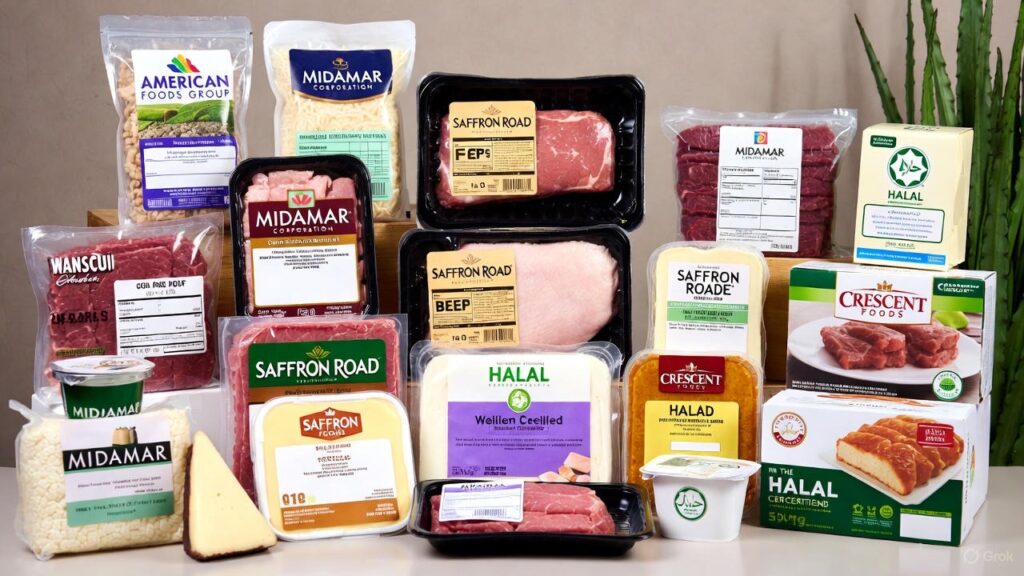
When shopping for halal products, consumers should verify that items display a valid halal certification mark from a recognized agency. Different organizations use distinct logos and symbols, so familiarizing yourself with reputable certification marks helps ensure authenticity.
Consumers can also research certification agencies online to understand their standards and verification processes. The halal certifiers like Halal Watch World provide valuable resources and information about halal certification agencies USA, helping consumers make informed decisions about the products they purchase. By staying informed about which agencies maintain the highest standards, consumers can confidently identify products that truly meet halal requirements.
Additionally, consumers should check certification dates to ensure they’re current and can contact certification agencies directly if they have questions about specific products or companies.
The Future of Halal Certification in America
As the halal market continues to grow, the certification process is becoming more sophisticated. Technology is playing an increasingly important role, with blockchain and digital tracking systems being implemented to enhance transparency and traceability throughout the supply chain. These innovations make it easier for businesses to maintain compliance and for consumers to verify product authenticity.
The standardization of halal certification practices is also gaining momentum, with industry leaders working toward more unified standards that can streamline the certification process while maintaining rigorous quality controls. This evolution benefits everyone involved, from manufacturers to end consumers.
Conclusion
Understanding how halal certification works empowers both businesses and consumers to navigate the halal marketplace with confidence. For companies looking to expand their market reach, obtaining proper certification from reputable agencies is an investment that pays dividends through increased consumer trust and market access. For consumers, recognizing valid certification marks and understanding the rigorous processes behind them ensures that purchasing decisions align with religious requirements and personal values.
Whether you’re a business owner exploring how to get halal certified in USA or a consumer seeking authentic halal products, knowledge of the certification process is your most valuable tool in this growing and dynamic market.