How Laser Eye Surgery in Melbourne Enhances Daily Life
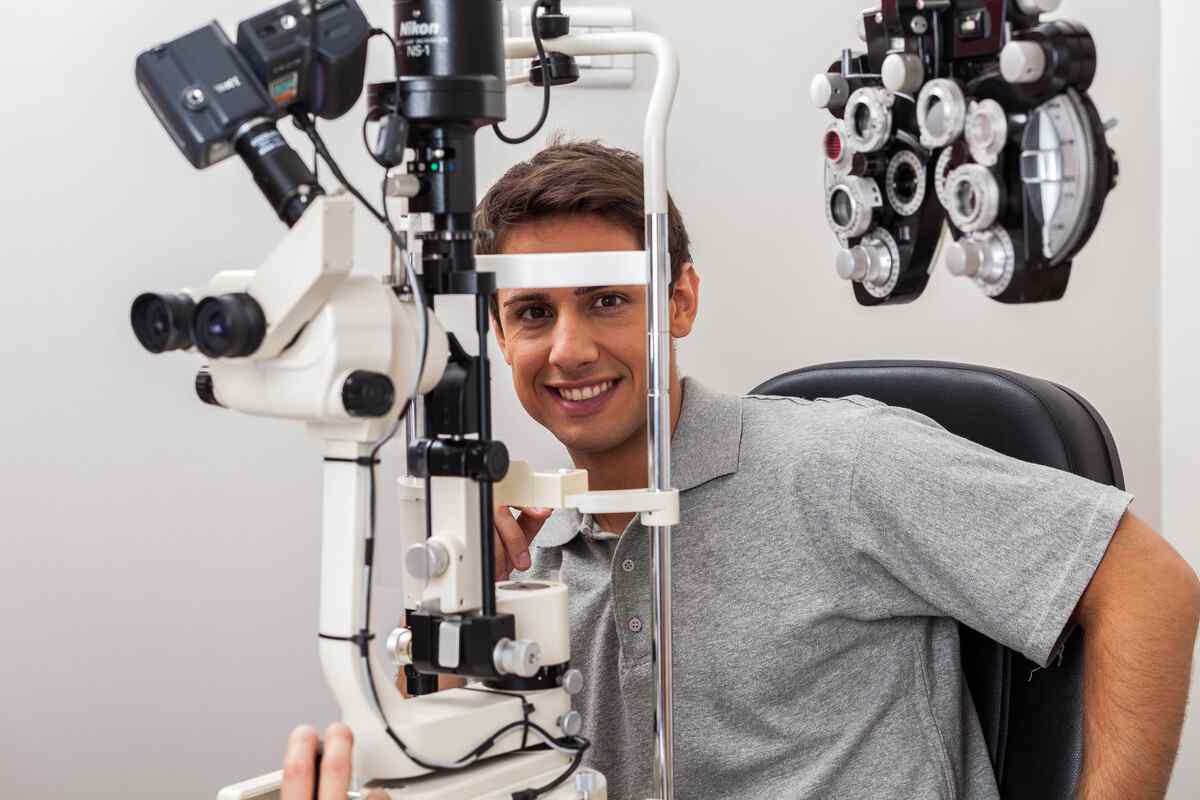
Getting laser eye vision correction in Melbourne changed things for me in ways I didn’t anticipate. I thought it would just mean not wearing glasses anymore, which seemed like enough reason by itself. But the improvements showed up in random moments throughout the day, small conveniences that added up to something bigger. I’m talking about actual lifestyle changes based on what happens when you can suddenly see clearly without fumbling for corrective lenses.
Mornings become simpler and faster
Waking up and being able to see the clock immediately sounds minor until you’ve spent years reaching blindly for glasses on the nightstand. I used to knock things over constantly in that morning fog between asleep and awake. Now I can check the time, read messages on my phone, and navigate to the bathroom without that transition period where the world is just blurry shapes.
The morning routine compresses too. No cleaning glasses, no dealing with contact lens solution, no worrying about whether you have enough daily lenses left for the week. Studies show the average contact lens wearer spends about 10 to 15 minutes daily on lens care and insertion. That’s over 90 hours per year on a task that just disappears after laser correction.
Physical activities stop being complicated
Swimming without worrying about losing contacts or getting water in your eyes changes how you approach pools and beaches. I used to avoid diving or swimming underwater because contacts and chlorine don’t mix well, and prescription goggles only work if the pool or beach happens to have your exact prescription.
Working out becomes less annoying too. Glasses fog up during cardio, slide down your nose when you sweat, and can’t be worn safely during contact sports. Contact lenses dry out in air-conditioned gyms and can shift position during high-intensity movements. After laser correction, you just work out normally without thinking about your vision at all.
Weather stops affecting your vision
Rain on glasses is universally frustrating. Walking from air-conditioned buildings into humid Melbourne weather fogs up lenses instantly. Winter mornings when you drink hot coffee and can’t see through the steam. These small irritations happen multiple times daily for glasses wearers, and you don’t realize how much mental energy they consume until they’re gone.
Cold weather presents different problems. Glasses get uncomfortable when metal frames get cold, and switching between indoors and outdoors means constant adjusting as your lenses fog up repeatedly. Contact lens wearers face dry eye issues in cold, windy conditions that make lenses uncomfortable for hours.
Travel becomes significantly easier
I didn’t think about this until my first trip after surgery. No packing contact lens solution, no backup glasses, no worrying about losing or breaking your only pair of glasses in an unfamiliar city. Airplane cabins dry out contact lenses terribly, and trying to nap on long flights with contacts in leads to painful, gritty eyes when you wake up.
Beach vacations improve dramatically. Sand and contact lenses are enemies, and wearing glasses at the beach means dealing with sunscreen smudges, salt spray, and the risk of waves knocking them off. Being able to see clearly while swimming in the ocean or lying on the beach without any visual aids feels freeing in a way that’s hard to explain.
Long-term costs shift in your favor
Contact lenses cost between $300 and $800 annually depending on the type you use. Glasses need replacing every few years as prescriptions change or frames break. Over a 20-year period, that adds up to $6,000 to $16,000 in ongoing vision correction costs. Laser surgery has an upfront cost between $4,000 and $8,000 for both eyes, but then vision correction expenses essentially stop.