How Routine Plumbing Maintenance Can Prevent Emergencies
Plumbing issues can cause significant disruption and expenses for homeowners. Preventing these emergencies starts with routine care and adopting smart habits. By understanding the importance of regular inspections and developing proactive maintenance strategies, you can avoid common plumbing pitfalls that often lead to emergencies. Even when disaster strikes, services like emergency plumbing in Midvale are available to help, but avoiding these urgent situations is beneficial for both your wallet and peace of mind.
Also Read: Top 3 Qualities To Look for in the Best Plumber in Houston
Simple steps such as paying attention to what goes down your drains, monitoring water pressure, and preparing your system against seasonal threats provide long-term protection. Many plumbing emergencies are preventable, making scheduled maintenance and mindful practices powerful tools to safeguard your home.
Regular Inspections and Maintenance
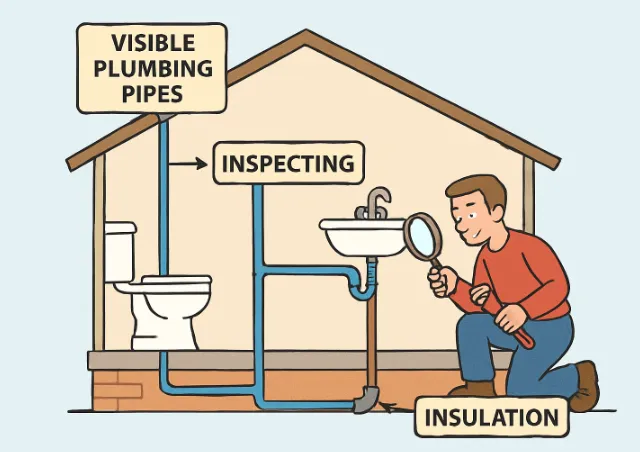
One of the most reliable ways to avert unexpected plumbing disasters is through scheduled inspections. Checking under sinks, behind appliances, and around water heater tanks for dampness can reveal early signs of leaking or corrosion. Patches of moisture on ceilings and walls can be clear warning signs. Professional plumbers recommend that homeowners arrange a comprehensive inspection at least once a year, especially for older homes. According to the Consumer Reports Maintenance Guide, these annual checks can substantially extend the life of your plumbing system and appliances.
Proper Disposal and Drain Care
The importance of good disposal habits cannot be overstated. Flushing inappropriate items such as wipes, paper towels, or hygiene products (even when labeled “flushable”) often leads to stubborn clogs deep within plumbing lines. In the kitchen, avoid pouring fats, grease, or coffee grounds down the drain, as they solidify and clog pipes. To catch food scraps, hair, and debris, install strainers in sinks and showers and clean them regularly. Periodically flush drains with hot water or, for harder buildups, use a baking soda and vinegar solution. These simple habits extend the lifespan of your drains and dramatically reduce the risk of plumbing emergencies.
Monitoring Water Pressure
Water pressure that is too high puts excess strain on pipes, fixtures, and appliances, increasing the risk for leaks and catastrophic failures. Most residential plumbing systems operate safely with pressure between 40 and 60 psi. Installing a pressure regulator is an excellent preventive measure if your readings are consistently high. If you experience sudden drops or spikes in pressure, these could indicate a hidden leak or break in the line. Early intervention is crucial, and a professional assessment is recommended if abnormalities are detected. The Family Handyman guide to water pressure offers detailed information for homeowners who want to safely self-maintain their systems.
Insulating Pipes to Prevent Freezing
In regions experiencing cold winters, protecting pipes from freezing is essential. Pipes in exterior walls, attics, basements, and garages are especially vulnerable. Applying foam sleeves or insulation wraps shields pipes and helps retain heat. During particularly cold spells, leaving a slow trickle of water running from a faucet can also reduce the chance that water within the pipes freezes and causes them to burst. Even a small amount of insulation can mean the difference between an uneventful winter and a costly repair in the spring.
Being Prepared for Emergencies
Even with diligent maintenance, plumbing emergencies can still arise. Homeowners should always know the exact location of the main water shut-off valve and test its operation regularly. Basic tools such as a plunger, adjustable wrench, plumber’s tape, and a drain snake should be kept accessible. Quick action during a crisis (such as closing the shut-off valve to stop a leak) can minimize damage and buy time until professional help arrives. For more detailed preparation tips, reliable sources like the Red Cross Plumbing offer step-by-step guides for homeowners.
Addressing Minor Issues Promptly
Letting little problems go unchecked can turn them into significant issues. A dripping faucet or a slow-draining sink may not seem urgent, but it can signal deeper problems or lead to water damage and mold growth. Make repairs promptly. Whether it is a washer that needs replacing in a tap or clearing a slow drain before it fully clogs, these fixes prevent emergencies and maintain system efficiency.
Scheduling Professional Maintenance
DIY care can go a long way, but professional inspections and cleanings offer peace of mind that cannot be matched. Plumbers are trained to spot subtle warning signs and use specialized tools to evaluate pipe integrity, detect hidden leaks, and clear potentially dangerous buildup within the system. Setting up a regular maintenance plan with a licensed professional is the best investment homeowners can make in their plumbing infrastructure, ensuring minor issues are addressed before they escalate to emergency plumbing intervention.
Conclusion
Routine plumbing maintenance is a wise, proactive measure that protects your home from costly repairs and the relentless disruptions they cause. Regular inspections, mindful disposal habits, water pressure monitoring, pipe insulation, emergency preparedness, prompt attention to minor concerns, and ongoing professional care work together to keep your plumbing running seamlessly. Whether you manage issues yourself or contact help for emergency plumbing in Midvale, the value of a well-maintained plumbing system is clear: peace of mind and lasting reliability start with routine care.