How Smart Home Tech Transforms HVAC & Electrical
The Rise of Smart Home Technology
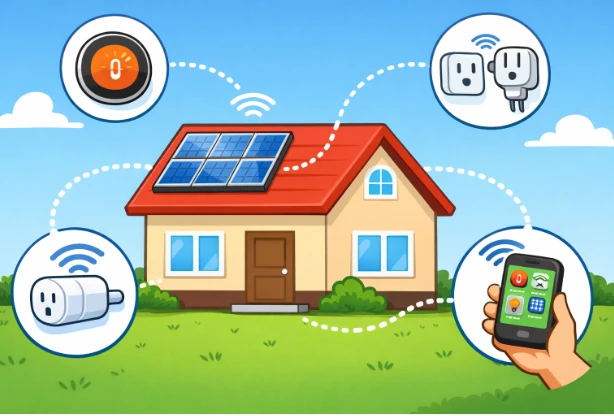
Smart home technology has seen remarkable advancement over the last decade, giving homeowners more power and flexibility in managing their living environments. Devices such as smart thermostats, automated lighting, and voice-activated assistants have shifted from luxury features to everyday essentials.
Also Read: Can I Do My White Card Course Online in Australia?
This ongoing evolution is especially evident in HVAC services in Northern Virginia, where smart systems help households cut costs and maintain comfortable indoor climates year-round. The appeal of smart home solutions lies in their promise of convenience, energy efficiency, and enhanced security. By allowing constant connectivity and control through smartphones or centralized panels, homeowners can monitor and adjust systems even when away from home. These advancements are fundamentally changing the way both HVAC and electrical services are delivered and maintained, making it necessary for industry professionals to keep pace with new technology.
Impact on HVAC Services
Smart technology has dramatically improved the efficiency, reliability, and usability of HVAC systems across the country. Modern smart thermostats are capable of learning user habits, adjusting temperatures automatically, and sending real-time performance reports. This innovation not only reduces utility costs but also improves comfort and minimizes energy waste. The integration of IoT sensors allows for continuous monitoring of HVAC performance, identifying potential problems before they turn into expensive repairs.
Predictive maintenance is another major advancement enabled by smart technology. Through real-time data analysis and alert notifications, technicians can schedule service visits proactively, often before any system failures occur. This shift to preventative care extends equipment lifespans and provides greater peace of mind for homeowners. For more information about these industry changes, the U.S. Department of Energy offers an excellent overview of how smart thermostats contribute to energy savings.
Advancements in Electrical Services
The evolution of electrical services has kept pace with the innovations seen in HVAC systems. Smart energy management solutions allow users to gain real insight into their household energy use through detailed analytics and remote access. This can lead to more informed decisions about energy consumption and allow for automation of non-essential loads during peak hours, which helps lower costs and reduce environmental impact.
Another significant change is the integration of renewable energy resources, such as solar panels, directly with home energy systems. Homeowners can now use apps to monitor solar generation and battery storage, maximizing their use of green energy and lowering grid dependence. Smart outlets and electrical panels provide additional safety by allowing device-level monitoring and control, helping reduce risks like electrical fires. A recent article from The New York Times highlights the best smart plugs, which further increase convenience and safety in the home.
Challenges and Considerations
Despite these notable benefits, homeowners and professionals face several challenges during the adoption of smart home technology. Integrating a wide array of devices requires deep knowledge of both electrical and HVAC systems, as well as their overlapping technologies. Compatibility issues between different manufacturers’ products can complicate installations and maintenance tasks, demanding that service providers keep their skills and certifications current.
Additionally, increased digital connectivity brings concerns regarding data privacy and cybersecurity. Smart devices often collect large amounts of user data, and any breach could compromise household security or result in unauthorized control of home systems. Homeowners are encouraged to work with knowledgeable professionals to ensure secure, reliable installations and ongoing support to mitigate these risks.
The Role of Professionals in the Transition
The move toward smarter home environments highlights the importance of skilled professionals within the HVAC and electrical industries. Technicians must pursue continued education, attend industry seminars, and remain up to date on emerging standards and technologies. This commitment to learning ensures that they can confidently recommend, install, and service advanced smart systems, positioning their businesses to meet rising consumer expectations for efficiency and convenience.
Collaboration with technology manufacturers and staying abreast of industry trends are becoming essential steps for professionals aiming to remain competitive. Offering expert guidance and support to homeowners as they navigate the intricacies of smart devices elevates not only the quality of service but also builds customer trust and brand loyalty.
Future Outlook
Looking ahead, the ongoing development of smart home solutions will continue to drive greater integration, personalization, and automation within residential systems. As artificial intelligence and machine learning capabilities become more advanced, HVAC and electrical systems will provide even greater levels of comfort, control, and energy optimization. The industry is poised for ongoing growth as both demand and technological potential increase, underscoring the necessity for adaptability among service providers and consumers alike.
Conclusion
Smart home technology is reshaping the landscape of HVAC and electrical services by delivering unprecedented efficiency, control, and peace of mind for homeowners. By embracing and adapting to these innovations, professionals can offer superior solutions tailored to the modern household, ensuring long-term customer satisfaction in an ever-changing marketplace. Staying current and proactive is essential for meeting the needs and expectations of today’s tech-driven consumers.