
How to Choose the Right Slit Lamp for Your Eye Clinic
It happens in a split second.
You lean into the microscope. The patient squints slightly. A thin beam of light slices across the cornea like a tiny sunrise.
Something looks… off.
Also Read: How Polarized Lenses Transform Outdoor Experiences
Maybe it’s subtle haze. Maybe a faint irregularity in the tear film. Maybe nothing serious at all—but you pause anyway. Because the slit lamp has a way of revealing things that ordinary lighting hides.
This is the moment where diagnosis begins.
And it’s also the moment when the quality of your equipment matters more than you’d like to admit.
Choosing the right slit lamp—especially among modern systems like Visionix slit lamps—isn’t just a purchasing decision. It shapes how comfortably you work, how clearly you see, and how confidently you diagnose patients day after day.
The Workhorse No One Brags About
Let’s be honest: slit lamps aren’t flashy.
No one walks into an eye clinic thinking, Wow, nice slit lamp. Patients barely notice them. They’re focused on the chin rest, the bright light, and whether they’re blinking too much.
But clinicians know better.
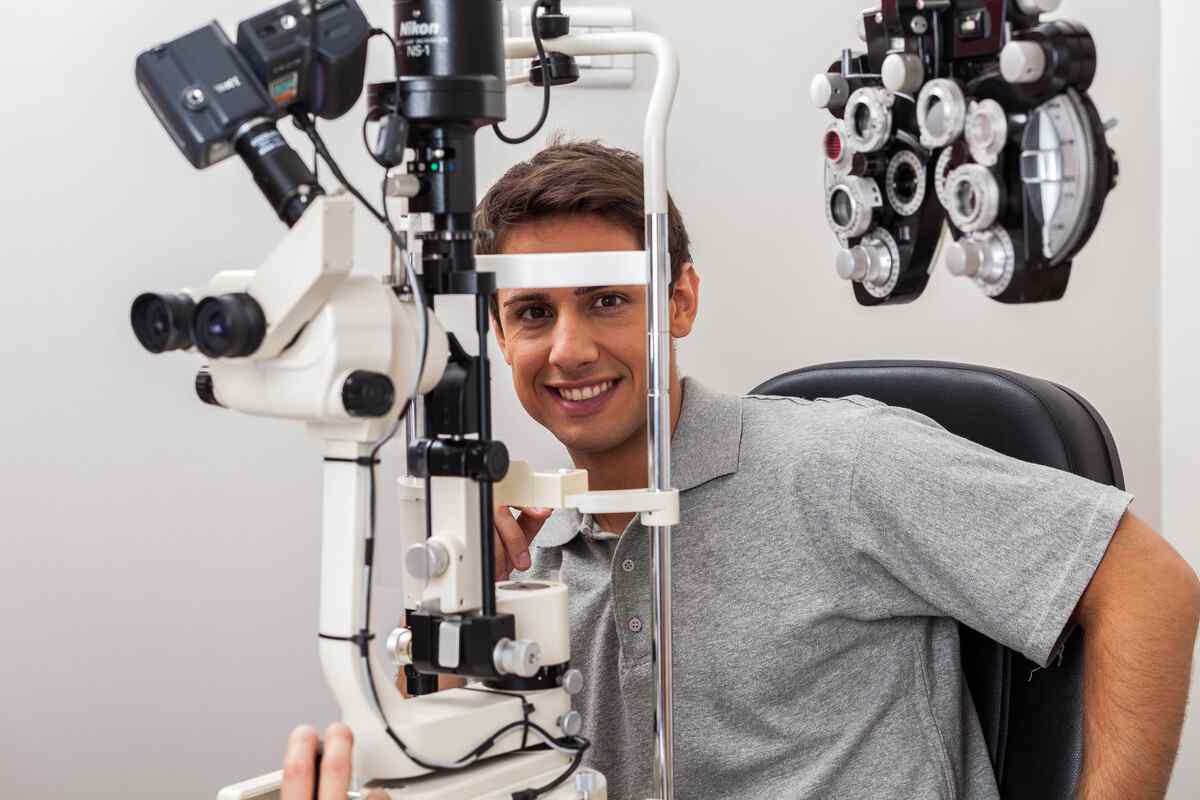
The slit lamp is the backbone of the eye exam. It reveals microscopic details in the anterior segment that routine observation simply can’t capture.
With the right setup, you can evaluate:
- Corneal surface abnormalities
- Tear film stability
- Inflammation in the anterior chamber
- Early cataract formation
- Contact lens complications
In other words, the slit lamp is where quiet clues become diagnoses.
No pressure, right?
Optics First. Everything Else Second.
Let’s start with the obvious truth.
A slit lamp is, at its core, a microscope. If the optics aren’t excellent, everything else becomes a distraction.
Clear magnification. Crisp illumination. Precise slit control.
These things matter because subtle ocular changes are exactly that—subtle. Early keratitis doesn’t announce itself loudly. Neither does a mild corneal edema.
Good optics reveal what poor optics blur.
And during a long clinic day—patient after patient, exam after exam—your eyes will thank you for choosing equipment that doesn’t fight back.
Ergonomics: The Part Nobody Mentions Until It Hurts
Here’s a quiet reality of clinical life: posture matters.
A lot.
If a slit lamp forces you into awkward angles or stiff positioning, you’ll feel it by patient number twelve. Neck strain. Shoulder fatigue. That creeping stiffness between your shoulder blades.
Now imagine repeating that every day.
Modern systems like Visionix slit lamps increasingly focus on ergonomics for this exact reason. Adjustable heights, smooth joystick movement, and intuitive controls reduce physical strain during long exam sessions.
Patients benefit too.
Stable chin rests and comfortable positioning make exams faster, smoother, and—let’s be honest—less awkward.
Digital Imaging Changes the Game
The classic slit lamp exam used to live only in the clinician’s memory.
You saw something. You documented it. The patient trusted your interpretation.
Today, imaging is becoming a normal part of eye care.
High-resolution photos captured through the slit lamp allow clinics to document findings, track disease progression, and show patients exactly what’s happening inside their eye. (And patients love seeing it.)
It’s also useful for collaboration.
Consulting another specialist. Submitting documentation. Reviewing cases later.
Many clinics evaluating equipment upgrades look into systems like Visionix slit lamps specifically for their imaging capabilities. For a detailed comparison of available models and features, practitioners can learn more about Visionix slit lamps and how different systems fit different practice environments.
Because sometimes a picture really does say everything.
Durability: Because This Tool Works Hard
A slit lamp doesn’t sit quietly in the corner.
It works all day.
Morning appointments. Afternoon follow-ups. Contact lens checks squeezed between comprehensive exams. Some devices see dozens of patients before lunch.
So durability matters.
High-quality slit lamps can stay in service for a decade or longer with proper maintenance. Reliable illumination systems, solid construction, and accessible service support make a real difference over time.
You don’t want to think about your slit lamp.
You just want it to work.
Different Clinics, Different Needs
Not every practice needs the same equipment.
A small optometry clinic might prioritize space efficiency and cost control. A high-volume ophthalmology center might require advanced imaging across multiple exam lanes. Specialty clinics dealing with corneal disease or glaucoma may benefit from enhanced visualization features.
The “best” slit lamp is rarely universal.
It’s the one that fits your workflow.
Your patients. Your pace. Your exam style.
The Tool Patients Forget—but Doctors Depend On
Patients remember the eye chart.
They remember the air puff test. (Unfortunately.)
But the slit lamp? It fades into the background.
Yet for clinicians, it’s the instrument that quietly reveals the details that matter most.
A faint corneal scar. Early cataract changes. A contact lens complication before it becomes serious.
Choosing the right system—whether traditional optics or modern platforms like Visionix slit lamps—means those details stay visible.
And in eye care, the smallest details often tell the biggest stories.