Launching Sustainable Jewelry Line in 2026 Design, Sourcing
The jewelry industry is undergoing a massive transformation. Modern consumers demand unparalleled transparency, pushing emerging brands to prioritize eco-friendly materials over traditional, environmentally taxing mining processes.
Also Read: How Fire and Smoke Damage Impacts Homes and How to Recover
Launching a successful brand today means embracing the permanent shift toward sustainable fashion. This is no longer simply a marketing angle; it is a fundamental business requirement for long-term growth and profitability.
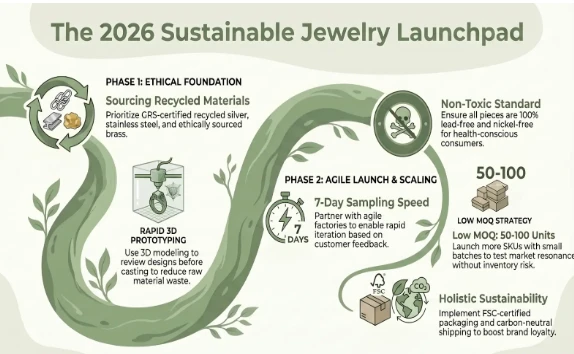
Utilizing materials like recycled silver, recycled stainless steel, and ethically sourced brass can significantly reduce your environmental footprint. It also builds immediate trust and loyalty with a highly conscious consumer base.
To stand out in a saturated e-commerce landscape, independent designers must combine innovative aesthetics with a highly traceable supply chain. That critical journey begins with finding the right production partners.
Sourcing a Reliable Manufacturing Partner (Crucial Step)
Your manufacturing partner is the operational backbone of your brand. A brilliant design cannot succeed if it is ultimately plagued by poor material quality, unethical labor practices, or massive minimum volume requirements.
When launching your collection, partnering with an experienced and ethical factory is non-negotiable. For instance, brands focusing on eco-friendly production often rely on an established Azonejewelry like Azone, which utilizes traceable, recycled materials and holds GRS certifications, all while offering low minimum order quantities tailored for e-commerce startups.
Working with an agile, certified supplier ensures you can maintain world-class standards without tying up all your early-stage capital. You must prioritize factories that offer rapid sampling times—ideally around seven days.
This rapid speed-to-market allows you to test new designs and iterate based on real customer feedback, drastically reducing the risk of heavy inventory investments.
Key Steps to Building Your Custom Jewelry Collection
Defining Your Design Identity & Materials
The foundation of a strong jewelry line is a clear, recognizable design identity paired with safe, high-quality materials. Health-conscious consumers are actively seeking lead-free and nickel-free options to avoid skin sensitivities.
Leveraging modern technology, such as 3D modeling, can drastically accelerate your design cycle. By reviewing digital prototypes before physical molds are cast, you save both time and raw material waste.
When refining your product catalog, it pays to educate your audience on your specific material choices. For example, if you venture into fine jewelry, writing educational content on topics like Princess vs. Cushion cut diamonds instantly builds brand authority and buyer trust.
To effectively finalize your collection’s aesthetic, consider the following best practices:
- Audit current trends: Blend timeless silhouettes with modern, eco-conscious materials.
- Prioritize durability: Ensure your stainless steel or brass pieces feature high-grade PVD plating for longevity.
- Request material breakdowns: Always ask your manufacturer for comprehensive material composition reports.
Navigating MOQs (Minimum Order Quantities) for Startups
One of the most common pitfalls for new e-commerce brands is over-ordering initial inventory. Being burdened with dead stock can cripple a startup’s cash flow before the marketing phase even begins.
This is exactly why navigating Minimum Order Quantities (MOQs) is vital. You must actively seek out production partners that support flexible scaling and small-batch manufacturing.
Securing a Low MOQ (such as 50 to 100 pieces) empowers you to launch a wider variety of SKUs. This strategy allows you to see exactly which designs resonate with your target demographic before committing to bulk production.
Scaling Your E-commerce Jewelry Business Strategically
Once your supply chain is solidified and your first collection is live, the focus must shift entirely to strategic scaling and brand positioning. Your operational logistics must reflect the same ethical standards as your jewelry.
Implementing FSC-certified packaging and carbon-neutral shipping options demonstrates a holistic approach to environmental responsibility. These final touchpoints greatly enhance the unboxing experience and encourage user-generated content on social media.
Scaling your brand requires more than just beautiful designs; it requires aligning with consumer values. According to recent consumer retail reports by Forbes, modern shoppers are actively seeking out brands that demonstrate a genuine commitment to ethical sourcing and sustainability, making your supply chain transparency a powerful marketing tool.
Applying agile methodologies to your marketing is just as important as your supply chain. Implementing aggressive, adaptable sales strategies—similar to the core principles of how to sell houses fast in any market—ensures your jewelry brand can pivot and thrive regardless of economic fluctuations.
Key Takeaways
| Area | Key Takeaway | Impact/Data |
| Sourcing | Require GRS-certified factory | Enables 7-day sampling |
| Design | Mandate 3D CAD & PVD plating | Eliminates material waste |
| Inventory | Cap MOQs at 50-100 pieces | Prevents dead stock drain |
| Packaging | Adopt FSC & green shipping | Spurs organic social ROI |
Conclusion
Launching a sustainable jewelry line in 2026 demands a perfect balance of creative vision and rigorous supply chain management. The barrier to entry has lowered, but the standard for quality and transparency has never been higher.
By prioritizing GRS-certified materials, partnering with agile manufacturers, and leveraging a Low MOQ strategy, you can build a resilient e-commerce business.
Take the time to vet your manufacturing partners thoroughly. When your supply chain reflects your brand’s core values, your marketing becomes effortless, and your path to profitability becomes remarkably clear.