Metal Sheet Cladding for Low-Rise Buildings: A Cost-Effective Aesthetic Upgrade
Low-rise buildings often sit in that tricky space between residential warmth and commercial functionality. They need to look polished, modern, and well-maintained—but owners don’t always want the cost or structural complexity that comes with full exterior renovations. That’s where metal sheet cladding steps in. It has become a go-to solution for architects, builders, and property owners who want a visual refresh without sinking the project budget.
More than just a protective layer, metal cladding has evolved into a design statement. It combines clean lines with durability, and it instantly sharpens the appearance of a building. What was once considered an industrial material now feels right at home on townhouses, retail strips, community centres, and small office buildings.
Why Metal Sheet Cladding Has Become a Favourite for Low-Rise Projects
For many low-rise structures, the façade carries huge influence over perception. A building with tired concrete or fading paint can feel neglected, even if the interior has been modernised. Metal sheet cladding solves this by offering a faster, more flexible way to uplift the façade.
One of the biggest advantages is the material’s adaptability. Panels can be cut, shaped, and installed in countless configurations—vertical, horizontal, diagonal, geometric, or as full sheets for a minimalist look. And because the colours and finishes vary widely, metal easily fits into contemporary, industrial, Scandinavian, coastal, or even heritage-inspired designs.
Cost also plays a major role. Compared to masonry refits or large-scale structural work, cladding is far more affordable and much quicker to install. Labour costs drop, downtime is reduced, and the property starts looking refreshed almost immediately.
Durability That Outperforms Many Traditional Materials
Aesthetic appeal gets most of the attention, but durability is where metal cladding earns long-term value. Low-rise buildings are exposed to the same environmental pressures as taller ones—sun, wind, rain, salt spray, and temperature swings. Metal handles all of this with far fewer maintenance requirements.
It doesn’t crack like render. It doesn’t peel like paint. It won’t warp or rot the way timber does. And when installed with proper weatherproofing, it becomes a protective outer skin that shields the underlying structure from moisture and impact.
Some projects even incorporate textured finishes or materials like aluminium checker plates in specific areas where durability is especially important. These surfaces provide extra grip, resist dents, and add a unique visual edge that’s hard to achieve with flat panels alone.
Aesthetic Versatility That Elevates Any Exterior
Metal sheet cladding offers huge creative flexibility. Architects appreciate the freedom to experiment, and homeowners love the ability to customise the façade to suit the rest of the property.
Popular design approaches include:
• Matte or satin finishes for a subtle, contemporary appearance
• Powder-coated colours to match or contrast with existing elements
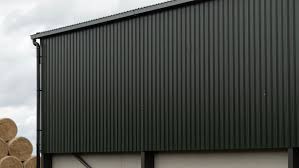
• Corrugated or ribbed panels for texture and depth
• Smooth sheets for a crisp, modern aesthetic
• Mixed-material facades that combine metal with timber, concrete, or brick
One reason metal cladding works so well for low-rise buildings is proportion. Smaller structures often benefit from clean, uninterrupted lines that make the building feel more intentional and polished. Metal’s uniformity emphasises those lines beautifully.
Reducing Construction Time and Disruption
An overlooked advantage of metal sheet cladding is how quickly it can be installed. Traditional façade upgrades often require scaffolding, extensive curing times, and weather-dependent processes. Metal panels sidestep most of this.
For low-rise buildings, installation can often be completed with minimal equipment and very little interference to daily operations. That makes metal a practical option for:
• Commercial strip upgrades
• School or childcare centre refurbishments
• Apartment block refreshes
• Factory and warehouse perimeters
• Community building facelifts
Faster installation also means fewer labour hours and lower overall project costs—two major considerations for owners working within a fixed budget.
Energy Efficiency Often Gets Better Too
Modern metal cladding isn’t just a pretty face. When paired with insulation layers, it significantly improves the building envelope. This helps regulate internal temperature, reduce heat transfer, and cut down on energy usage.
Low-rise commercial tenants, in particular, benefit from this improvement because heating and cooling costs can drop noticeably once the façade is upgraded. Even in residential settings, better insulation and reflective cladding materials create a more comfortable indoor environment year-round.
Low-Maintenance Living That Owners Appreciate
One of the strongest selling points of metal sheet cladding is how little maintenance it requires. Occasional washing is often enough to keep the exterior looking sharp. There’s no need for repainting every few years or patching up render cracks that inevitably form due to building movement.
This low-maintenance appeal is especially valuable for:
• Strata-managed buildings
• Investment properties
• Commercial premises with high visibility
• Public-use buildings with limited upkeep budgets
Over time, the reduced maintenance expense makes cladding more cost-effective than many materials that look cheaper upfront.
Where Checker Plate Designs Fit Into Facades
While most façades use smooth or profiled metal sheets, there’s a growing trend of integrating sections of patterned metal for both character and reinforcement. In high-contact zones—entrances, loading areas, or lower wall sections exposed to wear—materials like aluminium checker plates offer a practical yet striking solution.
Their textured surface adds visual interest while providing superior impact resistance. And because checker plate pairs well with flat panels, it blends seamlessly into both modern and industrial-style exteriors.
Conclusion
Metal sheet cladding is proving to be one of the most practical ways to rejuvenate low-rise buildings without tipping the project into a costly structural overhaul. The combination of durability, aesthetic flexibility, and low maintenance makes it a smart upgrade for anyone looking to modernise a façade.
Whether used across the entire exterior or paired with contrasting materials for a more curated look, metal cladding delivers both visual impact and long-term value. And when thoughtfully layered with patterned or textured materials, it elevates the building further while adding functional resilience.
For property owners, designers, and builders alike, metal sheet cladding isn’t just a cosmetic fix—it’s a long-lasting upgrade that changes how the building feels, performs, and stands out in its surroundings.