
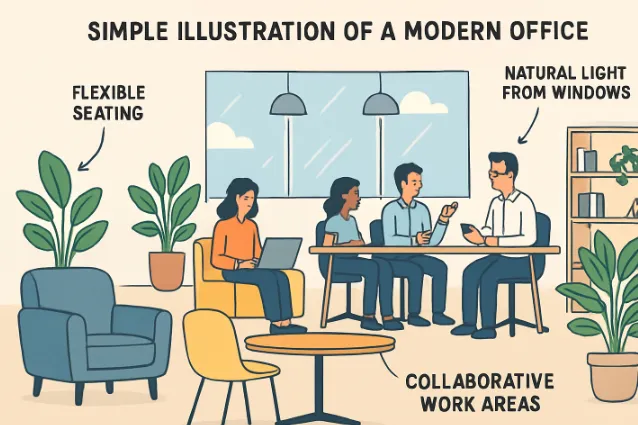
Modern Office Space: Trends That Shape Productivity
Today’s workforce expects more than a bland cubicle farm; they seek dynamic environments that foster creativity, collaboration, and well-being. Companies looking to stay competitive are rethinking their office spaces and embracing innovations that balance functionality, comfort, and sustainability. Whether you’re upgrading an existing building or exploring office building construction near Salt Lake City, UT, understanding these trends is essential for creating an environment where employees thrive.
Also Read: How Hot Tubs Support Year-Round Wellness
Modern office design is no longer just about aesthetics; it’s about supporting diverse work styles, attracting top talent, and promoting adaptability. Organizations that successfully blend design and technology enjoy heightened productivity, worker satisfaction, and a culture of innovation. The following trends offer a blueprint for shaping spaces that empower people to do their best work.
Flexible Workspaces
The traditional one-size-fits-all office layout is giving way to highly adaptable spaces. Flexible workspaces feature a mix of open-plan zones, quiet pods, private offices, and communal areas, each designed to serve distinct purposes. Mobile furniture, movable partitions, and modular meeting rooms allow easy reconfiguration as teams and projects evolve. This versatility supports both collaborative brainstorming sessions and focused individual work, ensuring all employees can find their ideal setting.
Open offices have often faced criticism for distractions, but when integrated with flexible design principles, such as acoustic solutions and dedicated quiet spaces, they enable collaboration without sacrificing concentration. This adaptable approach enables organizations to scale and adapt, making it a future-proof investment in worker productivity.
Technology Integration
Seamless technology is the foundation of a modern office. Smart building systems automate climate control, lighting, and security, responding to occupancy and preference data in real time. In addition to enhancing comfort, this technology contributes to energy savings and operational efficiency. Advanced booking platforms allow employees to reserve desks or meeting rooms with just a few clicks, minimizing downtime and promoting flexible work arrangements.
Hybrid work models have further increased the need for high-quality digital tools. Offices now commonly feature video conferencing suites, wireless charging stations, and IoT-enabled devices that integrate with project management apps. This technology ensures that on-site team members and remote colleagues can collaborate as if they were in the same room.
Biophilic Design
Biophilic design brings the healing power of nature into the office. Incorporating plants, green walls, natural light, water features, and organic materials doesn’t just improve aesthetics; it’s closely linked to higher productivity and lower stress. Numerous studies have found that employees working in environments with biophilic elements report greater creativity, improved mental health, and increased job satisfaction.
Maximizing access to daylight through clever layout and window placement can make a dramatic difference in mood and alertness. Natural materials like wood and stone, along with visual connections to outdoor landscapes, foster a soothing atmosphere that helps employees perform at their best. The growing awareness of biophilia’s benefits is evident in some of the most cutting-edge offices worldwide.
Wellness-Centric Environments
Prioritizing employees’ physical and mental health sets progressive employers apart. The modern office often includes on-site fitness suites, meditation rooms, nap pods, and healthy food options. Ergonomic furniture, such as adjustable desks, chairs with lumbar support, and task-specific lighting, reduces the risk of injury and supports good posture throughout the workday.
Workplace wellness also extends to air and water quality. MERV-rated air filtration, water dispensers, and access to outdoor spaces are common amenities in wellness-focused offices. By creating a holistic workplace wellness strategy, companies enjoy benefits ranging from higher engagement to substantial reductions in absenteeism.
Activity-Based Working
Activity-based working (ABW) empowers employees to select from a variety of workspaces based on the specific task at hand. Instead of being tethered to an assigned desk, workers can choose from areas designed for deep focus, casual conversations, team huddles, or virtual meetings. This approach increases autonomy, which in turn drives productivity and innovation.
ABW also supports collaboration across departments and seniority levels by breaking down physical barriers. When paired with digital booking and workspace management tools, ABW helps organizations maximize office space usage, minimize downtime, and adapt quickly to new business needs.
Sustainable Practices
Environmental consciousness is increasingly shaping the design, furnishings, and operations of offices. Key sustainable practices include installing energy-efficient HVAC and lighting systems, using low-flow water fixtures, and using eco-friendly construction materials. Many organizations aim for LEED certification, which establishes a benchmark for green building standards. Waste reduction also plays a crucial role, with practices such as comprehensive recycling, composting, and minimizing single-use plastics becoming common in workplaces. By centralizing sustainability in their operations, companies not only exhibit corporate responsibility but also attract eco-conscious talent and clients. Ultimately, successful offices are expected to be flexible, technology-enabled, biophilic, wellness-focused, and environmentally responsible, fostering spaces that inspire and retain top talent while enhancing overall efficiency.
Conclusion
Modern office design is no longer just about aesthetics; it’s about creating environments that support productivity, well-being, and adaptability. By combining flexible layouts, integrated technology, biophilic elements, wellness amenities, activity-based working, and sustainable practices, organizations can cultivate spaces that meet the diverse needs of their workforce. Such thoughtfully designed offices not only enhance employee satisfaction and performance but also future-proof operations, enabling companies to thrive in an ever-changing work landscape. Ultimately, investing in smart, human-centered office environments benefits both people and business outcomes, setting the standard for the workplaces of tomorrow.