Prepaid Visa Card Solutions Simplify Secure
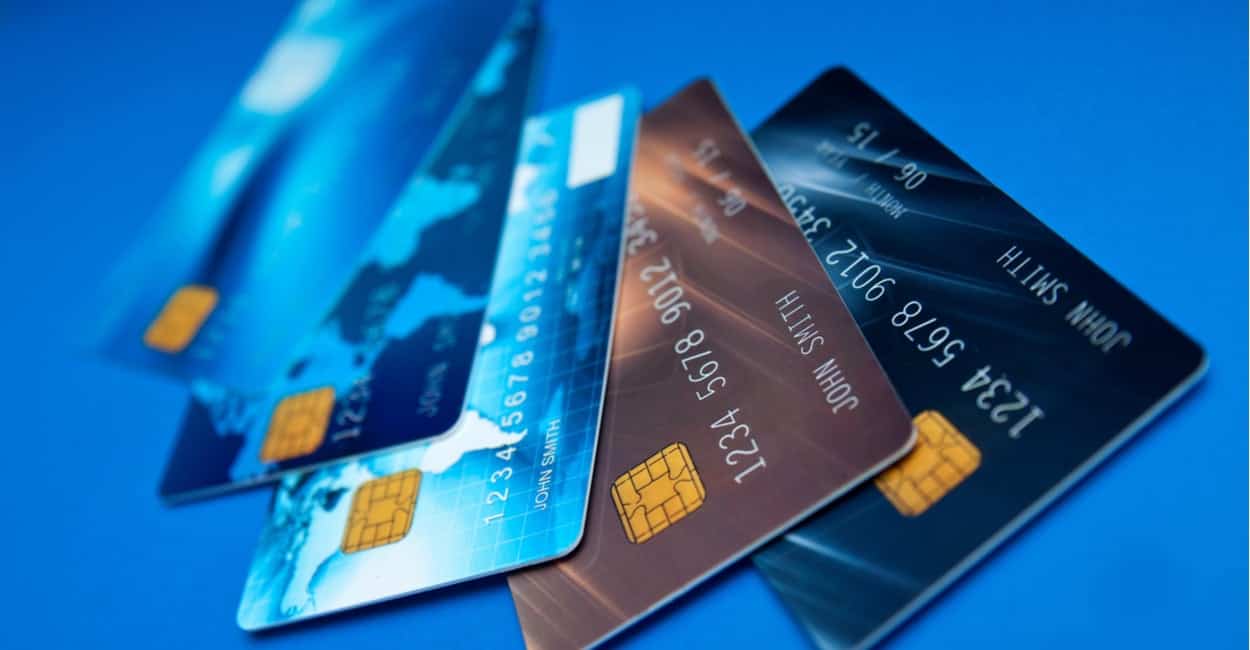
Financial technology has transformed how consumers manage spending through prepaid visa card solutions that combine the security features of traditional banking with the flexibility of cash alternatives. The global prepaid card market reached $2.3 trillion in transaction value in 2023, with projections indicating continued growth as consumers seek alternatives to traditional checking accounts and credit products. Modern prepaid solutions operate on sophisticated payment networks that process transactions through the same infrastructure as standard debit cards while offering enhanced controls over spending limits, merchant restrictions, and real-time balance monitoring. These cards serve diverse use cases from budget management and travel spending to teen allowances and emergency fund allocation, all without requiring credit checks or maintaining minimum bank account balances that exclude many consumers from traditional banking services.
Budget Control and Spending Limits
One thing I really appreciate about prepaid cards is how they force you to work within actual limits. You load a specific amount and that’s what you have to spend. Period. No overdrafts, no surprise fees for going over your balance, no temptation to overspend like you might with credit cards.
The technical implementation here involves real-time authorization systems that check available balance before approving transactions. When you swipe or tap the card, the merchant terminal sends an authorization request to the card network. The system instantly verifies your current balance, confirms the transaction amount doesn’t exceed what’s available, and either approves or declines within milliseconds.
Some solutions let you set up sub-accounts or spending categories within a single card. Parents can allocate portions of a teen’s card balance specifically for gas, groceries, or entertainment. The backend system tracks spending by merchant category codes, which are standardized classifications that identify what type of business accepted the payment.
You can also establish velocity limits, which restrict how many transactions can occur within specific timeframes. Maybe you allow 5 transactions per day maximum or cap daily spending at $200 regardless of total card balance. This adds another security layer against unauthorized use.
Enhanced Security Without Credit Risk
Here’s the thing about prepaid cards that makes them fundamentally different from credit or even traditional debit cards. There’s no link to your actual bank account, no credit line that could get maxed out, no potential for identity thieves to access your broader financial profile.
If someone steals your prepaid card or compromises the card number online, the maximum loss is whatever balance was on that card. Yeah it sucks to lose $100 or $500, but it’s way better than dealing with fraudulent charges of $5,000 on a credit card or having your checking account drained.
Modern prepaid solutions include zero liability protection similar to credit cards, meaning you’re not responsible for unauthorized transactions if you report them promptly. The card issuer investigates and typically refunds fraudulent charges within 10 business days.
The cards also support card lock features through mobile apps. If you misplace your card, you can instantly freeze it from your phone, preventing any new transactions. Find the card later? Unlock it just as quickly. Traditional bank cards are starting to offer this too, but prepaid solutions were actually early adopters of this technology.
Multi-Channel Acceptance and Usage Flexibility
Prepaid Visa cards tap into the same payment network infrastructure that processes billions of transactions daily worldwide. They work at physical stores with card readers, online merchants that accept Visa, ATMs for cash withdrawals where permitted, and increasingly through mobile payment systems like contactless terminals.
The technical protocol is identical to regular Visa transactions. The card contains either a magnetic stripe, EMV chip, or both, along with card data that can be manually entered for online purchases. Contactless-enabled cards include NFC chips that communicate with tap-to-pay terminals using encrypted tokenization.
What’s cool is how versatile they are for different scenarios. Traveling internationally? Prepaid cards work at millions of locations globally and often include more favorable foreign transaction fee structures than credit cards. Some specifically target travelers with no foreign exchange fees at all.
For online shopping, you can use prepaid cards just like any other payment method. Enter the card number, expiration date, and CVV code at checkout. Some people actually prefer using prepaid cards for online purchases as a security measure, loading only enough for specific purchases to limit exposure.
Account Management and Monitoring Tools
The app experience for prepaid cards has gotten legitimately good. You can check your balance instantly without calling customer service numbers or logging into clunky websites. Transaction history appears in real-time, often within seconds of a purchase completing.
Push notifications alert you to every transaction, which is honestly one of the best fraud detection tools available. You immediately know if your card gets used unexpectedly. Some apps let you set up custom alerts for transactions over certain amounts or purchases at specific merchant types.
Many solutions offer virtual card numbers for online shopping. You generate a temporary card number linked to your prepaid account, use it for a single purchase or specific merchant, then disable it. Even if that merchant gets hacked later, the virtual number is already inactive so your actual card stays protected.
Reload options have expanded significantly too. You can add funds via bank transfer, direct deposit, cash at participating retail locations, or even mobile check deposit where you photograph a check and the funds load to your card. The processing time varies, direct deposits and bank transfers typically take 1 to 3 business days while retail cash loads are often instant.