
Quiet Homes – Design Choices That Reduce Outside Noise
Silence has become a luxury. Not the dramatic kind. The everyday kind. The kind where you do not hear every truck down the street, every dog two houses over, or the steady hum of traffic at midnight. Outside noise sneaks into a home slowly. At first, it feels normal. Then it feels constant. And once you notice it, you cannot un-hear it.
Also Read: Mold Remediation in Clearwater: What Homeowners Often Overlook
Creating a quiet home is less about soundproofing foam and more about smart design choices. The right materials, layout decisions, and upgrades can dramatically soften the outside world without turning your house into a bunker. It is about layering protection. When windows, doors, insulation, and structure all work together, the shift in atmosphere is immediate. The house feels calmer. Conversations feel easier. Sleep feels deeper.
Let’s look at the design moves that actually make a difference.
Upgrading Window Systems
If outside noise were looking for an easy way in, it would choose your windows first. Older single-pane glass vibrates easily, allowing traffic, wind, and neighborhood activity to pass through with surprising clarity. Even small frame gaps act like open invitations for sound.
Modern window systems change that dynamic completely. Multi-pane glass creates air pockets that interrupt sound waves. Improved frame construction reduces vibration. Precision sealing blocks tiny gaps that leak both air and noise. In many homes, window replacement becomes the turning point in achieving noticeable quiet. Upgrading to double- or triple-pane units, especially with laminated options, adds mass and damping that drastically reduce sound transfer. It is one of the few upgrades where the improvement is felt immediately, the first time a loud vehicle passes by, and the room stays calm.
Choosing Solid-Core Exterior Doors
Exterior doors often look solid but behave like thin barriers when it comes to noise. Hollow-core construction lacks density, which means sound passes through far more easily than most homeowners realize. Swapping them for solid-core or insulated doors adds weight and structure, both of which reduce vibration.
The improvement does not stop with the slab itself. Tight weatherstripping and properly aligned thresholds seal off gaps that allow noise to seep around edges. Once doors are upgraded, entryways stop acting like sound tunnels. The difference becomes especially noticeable in homes facing busy streets or close neighbors.
Incorporating Acoustic Insulation
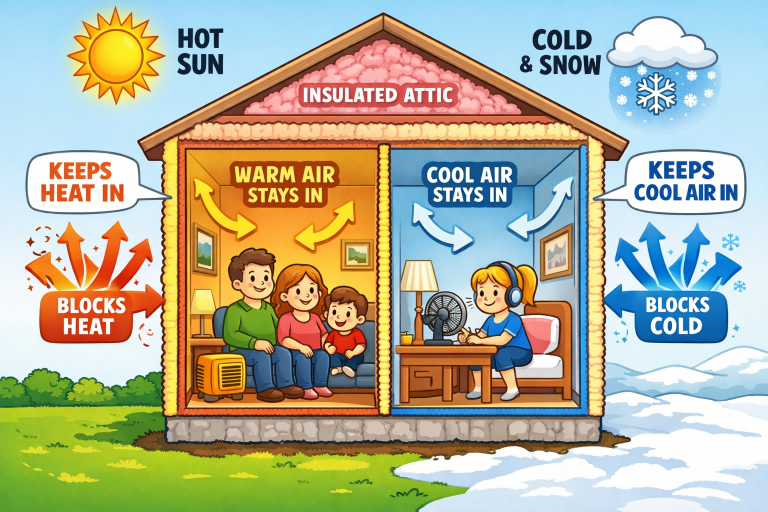
Walls either absorb noise or transmit it. Standard insulation focuses on temperature control, but not all materials handle sound equally well. Dense acoustic insulation, such as mineral wool, absorbs sound waves before they move through framing.
Upgrading insulation during renovation transforms exterior walls into meaningful sound barriers. Instead of vibrations traveling freely through studs and into interior surfaces, they lose energy within the wall cavity. This type of upgrade is invisible once installed, but its impact is unmistakable. Rooms feel insulated from the outside world in a way that basic insulation cannot deliver.
Using Laminated Glass
Not all glass behaves the same way. Laminated glass contains a special interlayer that dampens vibration. When sound waves hit it, that interlayer absorbs a portion of the energy before it reaches the interior. The result is less sharpness and reduced intensity.
Homes near busy roads benefit most from laminated glass, particularly in rooms where quiet matters most. Bedrooms, home offices, and living rooms feel noticeably calmer. Laminated glass also adds an extra layer of durability and UV protection, which means it improves more than just sound performance.
Designing Landscaping as a Sound Buffer
Noise reduction does not always start at the wall. It can begin at the edge of the property. Dense shrubs, layered hedges, and thoughtfully placed fencing absorb and deflect sound before it ever reaches the house. Landscaping works as a soft barrier that diffuses higher-frequency noise and reduces echo from hard surfaces.
Strategic planting along the street-facing side of a yard can create a noticeable difference. Tall greenery combined with solid fencing breaks up sound waves and reduces their intensity. The benefit feels subtle but cumulative. The outside world still exists, but it arrives softened.
Orienting Living Spaces Away from Noise Sources
Sometimes the most powerful sound control strategy has nothing to do with materials and everything to do with layout. If a home is being renovated or built from the ground up, room placement can significantly affect how noise is experienced. Bedrooms, home offices, and primary living areas benefit from being positioned away from the street-facing side of the house, especially in neighborhoods with steady traffic flow or nearby activity.
Utility spaces such as bathrooms, closets, stairwells, and storage rooms can serve as acoustic buffers when placed strategically along exterior walls exposed to noise. These transitional spaces absorb some of the sound energy before it reaches quieter zones. Even modest layout adjustments during remodeling, such as relocating a workspace to a rear-facing room, can dramatically change how intrusive outside sound feels on a daily basis. Orientation is subtle, but its impact builds over time.
Installing Resilient Channels in Wall Construction
Sound travels through structure. When drywall is fastened directly to wall studs, vibration from outside noise transfers easily into interior surfaces. Resilient channels change that equation by creating a slight separation between drywall and framing, which reduces the direct path for vibration to travel through.
This technique is particularly effective in homes undergoing major renovation where walls are already open. By decoupling interior wall surfaces from structural framing, resilient channels minimize sound transmission without increasing wall thickness dramatically. It is the kind of upgrade that does not show once finished, yet contributes significantly to a more insulated, controlled interior environment.
Using Heavy Drapery and Fabric Layers Strategically
Even after structural upgrades, some sound will inevitably enter a home. What happens next depends on the interior environment. Hard surfaces reflect sound waves, amplifying what slips through windows and doors. Fabric, on the other hand, absorbs and softens it.
Heavy drapery installed over exterior windows does more than block light. Thick, layered fabrics add mass and reduce sound reflection within a room. Upholstered furniture, area rugs, and wall hangings contribute to a similar effect by breaking up echo and dampening vibration. While fabrics cannot replace structural improvements, they complement them effectively. A room that combines upgraded windows with soft interior finishes feels noticeably quieter and more grounded than one filled with bare surfaces.
Choosing Thicker Exterior Siding Materials
The exterior cladding of a home plays a larger role in acoustic performance than many homeowners expect. Lightweight siding materials allow more vibration to pass through exterior walls, while thicker, denser options provide additional mass that naturally dampens sound.
During exterior renovation, upgrading siding presents an opportunity to improve both durability and noise resistance. Fiber cement, engineered wood, or thicker composite materials add structural density that reduces how much exterior vibration reaches interior framing. When siding upgrades are combined with proper insulation and sealed penetrations, the home’s outer shell becomes a far stronger barrier against outside intrusion.
A quiet home is the product of coordinated decisions that strengthen the building envelope from multiple angles. Structural elements like resilient channels interrupt vibration paths, while fabric layers and thicker siding reinforce the barrier. When these elements work together, the home feels different.