
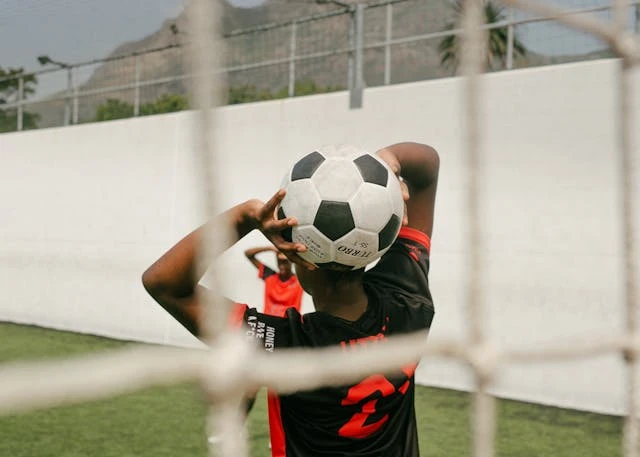
Michael A. Bozett: An Overview of Redshirting in Junior College Soccer
Michael A. Bozett is an Aurora, Illinois-based professional whose background blends customer service, business operations, and competitive athletics. Alongside his work in sales, logistics, and retail environments, Michael A. Bozett has remained closely connected to soccer through years of organized play at the high school and junior college levels. He competed with clubs such as Sockers FC Chicago and Oswego East High School before continuing his athletic career at Waubonsee Community College.
Also Read: What Makes a House Feel Like Home From Day One
At Waubonsee, Mr. Bozett was part of teams that captured the NJCAA Region IV Men’s Soccer Championship in both 2017 and 2018, giving him firsthand exposure to junior college athletics and the eligibility structures that shape player development. This experience informs a practical understanding of topics such as redshirting, which plays a meaningful role in how student-athletes manage eligibility, development, and long-term planning within the NJCAA system.
An Overview of Redshirting in Junior College Soccer
In junior college athletics, athletes typically have two seasons of intercollegiate competition available at an NJCAA school. The National Junior College Athletic Association (NJCAA) governs two-year college sports and allows student-athletes to compete for two seasons. Some athletes choose not to use one of those seasons immediately while still taking part in practices and team meetings. In college sports, people commonly call these players “redshirts.”
A redshirt athlete remains eligible to practice and train with the team but does not appear in any official games during the season. This approach lets the athlete preserve a season of participation while building skills, adjusting to college demands, or returning to strength after a setback.
Under NJCAA participation rules, the NJCAA charges a season of participation as soon as an athlete takes part in any official contest. Even a brief appearance, such as entering during the final minutes of a match, still counts as a season of participation. Redshirting creates a structured way for athletes to develop while keeping the option to compete in a later season.
Athletes and programs choose redshirt seasons for several reasons. For example, a freshman defender might sit out competition to focus on conditioning while adapting to college coursework, or a player returning from a minor injury might spend a season rebuilding strength before rejoining match play. Programs and athletes make this decision so the athlete can progress without using one of the two seasons of competition.
Redshirt athletes generally follow the same training schedule as players who compete. They complete workouts, attend team meetings, and participate in drills. Even without game minutes, they contribute to daily training by keeping practice sessions competitive and consistent.
Redshirt status only applies when the athlete does not enter any official contests during the season. If a player participates in games and later sustains an injury, the athletic department may need to request an NJCAA hardship waiver, which works differently from redshirting. Because NJCAA rules treat any game appearance as a season of participation, athletes should not assume an injury converts that season into a redshirt year.
Although redshirt athletes do not appear in match statistics, they remain part of the program’s day-to-day environment. They still support the team’s weekly preparation through practice repetitions and routine work that helps the competing roster execute.
When student-athletes transfer, NJCAA schools confirm prior seasons of participation with previous institutions. In college sports, terms such as “redshirt freshman” or “redshirt sophomore” signal that an athlete spent a season practicing and progressing academically without competing in official games. Those labels help coaches and recruiters discuss an athlete’s development alongside the number of seasons the athlete has played.
A redshirt season can give coaches time to evaluate an athlete’s growth in training. Without game stats, coaches may look more closely at practice consistency, understanding of team expectations, strength gains, and how reliably the athlete handles daily routines. That evaluation can shape future playing opportunities, but it does not change participation limits.
Redshirt decisions shape what comes next for a junior college soccer player. Before committing to sit out a season, athletes and families can meet with coaches and the school’s athletic eligibility staff to ask how a redshirt year would affect athletic aid or other school financial-aid policies, transfer planning, and remaining seasons of competition at two-year and four-year schools. When everyone shares a clear plan, a redshirt season becomes less of a pause and more of a deliberate step toward the player’s next stage in college soccer.
About Michael A. Bozett
Michael A. Bozett is an Illinois-based business professional with experience in customer service, logistics, sales, and operations. He has worked in large-scale environments such as Amazon and in sales-focused roles at Floor & Decor, where he supports customers through tailored product solutions. Outside of work, Mr. Bozett has a strong background in competitive soccer, including participation in two NJCAA Region IV championship teams at Waubonsee Community College. His combined experience in athletics and professional settings reflects a disciplined, team-oriented approach to long-term development.