Roof Restoration vs. Replacement: Which is Best for Your Property
Deciding whether to restore or replace your roof is not a decision that property owners take lightly. Your roof is your first line of defense against the elements, and addressing issues promptly is crucial to protecting your investment. Both roof restoration and roof replacement offer unique advantages depending on your roofing system’s age, condition, and your long-term plans. Understanding the differences will empower you to make a confident decision.
Also Read: 5 Tips for Maintaining Your Firearm Parts
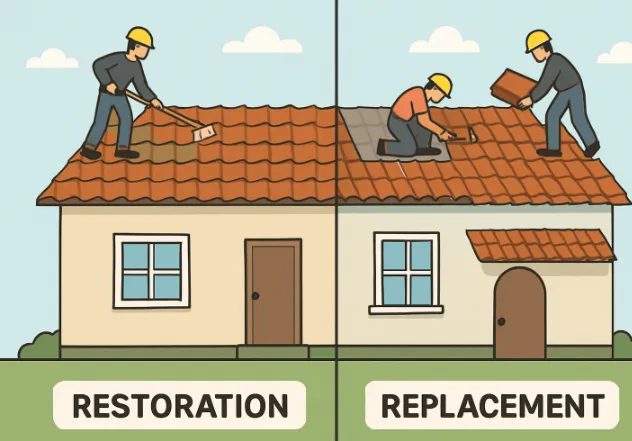
Roof restoration focuses on repairing and revitalizing your existing roof, typically offering a cost-effective, less intrusive way to prolong its life. For many homeowners, this can mean extending the usable life of their roof and reducing waste. In contrast, roof replacement involves a complete tear-off and installation of a new system—an excellent choice for roofs with substantial damage or when you want the benefits of the latest materials and warranties.
Choosing the right solution also depends on budgetary considerations, the extent of current roof damage, and how long you intend to stay in your home. Each option has implications for energy efficiency and environmental impact.
By weighing the pros and cons of each approach, you can ensure the safety, comfort, and value of your property for years to come. Whether you’re leaning toward a restoration or full replacement, the decision impacts not only your wallet but also the long-term sustainability of your building.
Understanding Roof Restoration
Roof restoration is the process of revitalizing an existing roof by cleaning, repairing, and recoating it without removing the original structure. Restoration is ideal for roofs with surface-level damage, leaks, or aging, but that are structurally sound. Not only does this solution extend your roof’s life by an average of 10-15 years, but it also allows you to avoid the high costs and disruption of a complete replacement. Owners can often stay in their homes or continue operating their businesses as usual during restoration.
Restoration is up to 70% cheaper than replacing the entire roof. This makes it an attractive option for those whose roofs are not yet at the end of their serviceable life but do need attention. Additionally, it reduces landfill waste, as most of the original roofing materials are reused, thereby markedly decreasing environmental impact.
Understanding Roof Replacement
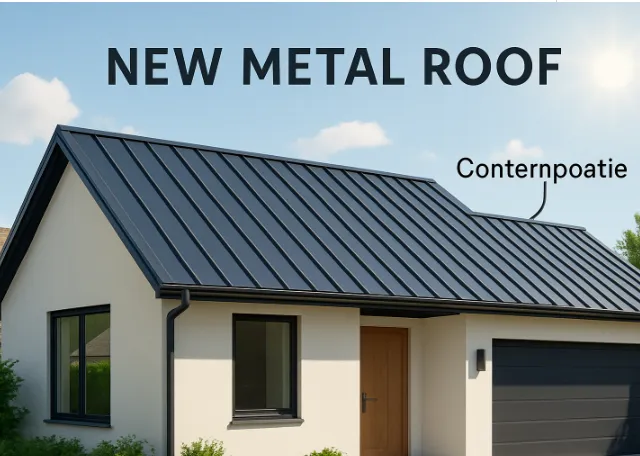
Roof replacement involves completely removing your existing roof and installing a new one. This approach is recommended for roofs with widespread damage, advanced age, or serious leaks that compromise structural integrity. Replacement offers a fresh start, allowing you to upgrade to modern materials with superior durability, energy-saving features, and more extended manufacturer warranties. A new roof can increase property value by reassuring buyers that the house is protected for decades to come.
The main drawbacks are higher upfront costs and more disruption, since the process can take days or weeks and typically involves removing the entire outer layer of your roof. However, for buildings that require significant repairs or are approaching the end of their usable roof life, replacement offers security and long-term cost savings.
Factors to Consider
- Age of Roof: Restoration is usually only viable for roofs younger than 20 years and that are structurally sound. Those that are older or show extensive wear may need replacement.
- Extent of Damage: If your issues are minor—such as leaks, cracks, or a handful of missing shingles—restoration is often sufficient. Significant sagging, rot, or water infiltration calls for replacement.
- Budget: Consider your financial resources and the long-term value. Restoration is less expensive upfront but may require another intervention sooner than a replacement.
- Long-Term Plans: If you plan to remain in your home or building for many years, replacement may provide better ROI; if you may sell or move soon, restoration can be a worthwhile stopgap.
Cost Comparison
Roof restoration usually costs between $5,000 and $12,000, depending on the roof’s size, pitch, and overall condition. A complete roof replacement is far more expensive, with most homeowners paying between $10,000 and $30,000 or more. These increasing costs reflect broader industry trends, as Insurance Business Mag reports that total spending on roof repair and replacement has reached $31 billion nationwide due to higher material prices, labor shortages, and more frequent storm damage. The type of material used, such as asphalt shingles, metal, or tile, also has a significant impact on the total cost of both restoration and replacement.
It is also essential to think about future expenses. A restored roof often requires more frequent inspections and ongoing maintenance. At the same time, a complete replacement involves a higher initial investment but typically results in fewer repairs and lower maintenance costs over the long term.
Environmental Impact
Choosing restoration over replacement often means less waste sent to landfills—an essential consideration for property owners interested in sustainability. Restoration uses the existing structure, thereby reducing raw material consumption and the carbon footprint of transporting and manufacturing new roofing products. Reflective coatings commonly used in restorations can also significantly lower cooling bills by reflecting sunlight. By contrast, roof replacement creates considerably more waste, with old roofing material usually ending up in landfills.
Energy Efficiency
Both restoration and replacement offer valuable opportunities to enhance a building’s energy efficiency. Restoration often involves applying reflective coatings or sealants that can reduce summer cooling costs by up to 30%, making it a cost-effective option for improving performance without a full overhaul. Replacement, on the other hand, allows homeowners to incorporate advanced insulation and underlayment materials that can lower both heating and cooling bills by up to 25%, depending on the climate and structure. Modern roofing materials, including metal and cool-roof shingles, play a key role in these savings. In fact, guidance from the U.S. Department of Energy on cool roofs highlights how reflective roofing systems can minimize heat absorption, reduce energy demand, and improve indoor comfort. Together, these upgrades help boost overall energy efficiency, lower utility costs, and create a more comfortable living environment year-round.
Making the Decision
There is no one-size-fits-all answer when it comes to restoring or replacing your roof. A thorough inspection by a professional roofer is the best place to start. Experts can assess the actual condition of your roof, identify hidden damage, and estimate how long repairs or a restoration might realistically last. Weigh your budget, your plans for the property, and how each option fits into your lifestyle or business operations.
Don’t hesitate to seek a second opinion or detailed quotes before signing on for roofing work. Compare the warranties, upkeep requirements, and performance benefits of each approach, focusing on what matters most for your property’s future.
Conclusion
In summary, the decision between roof restoration and roof replacement hinges on the age and state of your roof, your budget, and your long-term property goals. Restoration is generally best for minor or moderate wear, offering an affordable and environmentally friendly extension of your roof’s service life. However, if your roof is severely compromised, replacement delivers decades of durability, peace of mind, and the benefits of the latest roofing innovations. Carefully evaluate the unique needs of your property and consult a reputable roofing expert to ensure the longevity, safety, and value of your investment.