Selling an Akron Home: A Practical Guide to Cash Offers, As-Is Sales, and Faster Closings
Key Takeaways
- Akron homeowners can sell through a traditional listing, a for-sale-by-owner approach, an as-is transaction, or a direct cash sale.
- The best option depends on the property’s condition, the seller’s timeline, and the likely net proceeds after repairs, fees, and holding costs.
- An as-is sale can simplify preparation, but sellers should still provide truthful information about known property conditions.
- Cash offers can reduce financing uncertainty, although every offer should be reviewed for fees, contingencies, and closing terms.
- Owners facing mortgage trouble should contact their lender and seek reputable assistance as early as possible.
Selling a house in Akron, Ohio, can look very different from one neighborhood to the next. A well-maintained home near Wallhaven may call for a traditional market listing, while a property needing extensive work in North Hill, Firestone Park, Ellet, or another part of the city may be better suited to an as-is sale. Homeowners exploring cash for houses in Akron, OH, should begin by identifying what matters most: sale price, closing speed, repair burden, privacy, or flexibility.
There is no single “right” way to sell. A homeowner preparing to move, managing an inherited property, settling a divorce, or trying to stop the costs of a vacant house may have priorities that differ from those of a seller with time to repaint, stage, and wait for financed buyers.
Akron’s Housing Market at a Glance
Local housing conditions should shape expectations, but citywide market reports do not price every home equally. Recent comparable sales, the home’s condition, nearby competition, and buyer demand in the immediate area all matter. A home close to parks, schools, hospitals, major routes, or employment centers may appeal to a different buyer pool than a similar house across town.
Before choosing a listing price or accepting a direct offer, review comparable properties that have actually sold, not only homes currently advertised for sale. Consider the property’s age, layout, lot, major systems, and visible deferred maintenance. Akron’s older housing stock can make updates to roofs, basements, plumbing, electrical systems, and drainage especially important to buyers.
For homeowners who prefer to explore a direct-sale route before committing to repairs or showings, https://www.clecashoffers.com/ can serve as a starting point for reviewing a cash-offer option alongside a traditional sale plan.
Choose the Selling Path That Fits the Property
- Traditional listing: This path can provide broad exposure to buyers. It may work well for sellers who can prepare the property, accommodate showings, negotiate inspection requests, and wait through a buyer’s financing process.
- For-sale-by-owner: Owners may choose this option when they are comfortable setting a price, marketing the home, screening buyers, negotiating terms, and handling the contract process with qualified help.
- As-is sale: This can be practical for a home with outdated finishes, cleanup needs, storm or water damage, tenant wear, or repairs the owner does not want to complete.
- Cash sale: A cash buyer may offer a simpler path when speed and certainty are more important than maximizing exposure to every possible buyer.
What “As-Is” Means in Ohio
“As-is” generally means the buyer agrees to purchase the property in its current condition, rather than requiring the seller to make repairs before closing. It does not give a seller permission to conceal known problems. Ohio law addresses residential property disclosures, including information known to the seller about material conditions affecting the home, through its residential property disclosure requirements.
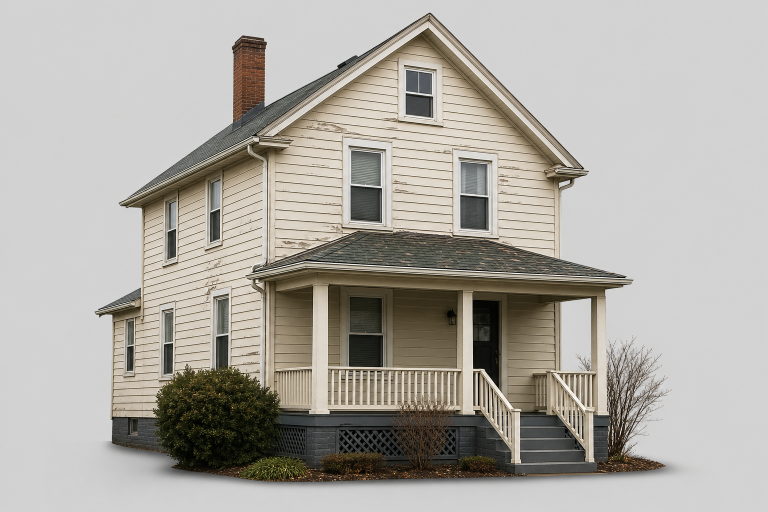
Be direct about known concerns such as a leaking roof, a wet basement, foundation movement, damaged flooring, outdated wiring, plumbing issues, or a nonfunctioning furnace. Honest disclosures help buyers evaluate the property and may reduce the chance of conflict after the transaction. Some transfers have legal exceptions, so sellers with unusual ownership, probate, or court-related circumstances should seek appropriate professional guidance.
Should You Repair Your Akron Home Before Selling?
Repairs should be treated as a financial decision, not an automatic requirement. Safety and function usually come first. A serious roof leak, an active plumbing problem, a heating failure, or an electrical hazard can limit the buyer pool and create larger issues if left unaddressed. Cosmetic work, such as repainting a room or replacing worn fixtures, may help presentation but should be weighed against the likely benefit.
Major renovations do not always return their full cost, particularly when the surrounding market does not support a large price increase. Obtain more than one estimate for substantial work, then compare the repair cost, expected additional sale value, time required, and the ongoing expense of holding the house. Holding costs can include mortgage payments, taxes, insurance, utilities, lawn care, and vacancy-related maintenance.
How Cash and Financed Offers Differ
- Cash offers usually do not rely on a mortgage approval. They may offer a shorter timeline and can be structured for a property in its current condition, although the contract may still include inspection or title provisions.
- Financed offers generally depend on the buyer’s lender, underwriting process, appraisal, and loan deadlines. Buyers may request repairs, credits, or a price change after inspections or appraisal results are available.
- Neither type is automatically better. The strongest choice is the one with clear terms, a realistic closing date, and acceptable net proceeds.
How to Compare Cash Offers Carefully
- Review the offered purchase price and calculate what remains after payoff amounts and closing expenses are deducted.
- Ask whether there are inspection periods, repair deductions, service charges, assignment rights, or cancellation clauses.
- Confirm the intended closing date and whether the seller can choose a later date if needed.
- Request proof that the buyer has funds available to close.
- Find out who will handle title work and hold earnest money, if earnest money is required.
- Read every contract term before signing, and consult a real estate attorney or other qualified professional when questions arise.
Situations That May Call for a Faster Akron Sale
A quicker sale may make sense when a homeowner is relocating, has inherited a house that needs cleanup, is managing a vacant property, or cannot afford major repairs. Landlords dealing with a difficult rental situation may also prefer a sale that avoids extensive preparation. When mortgage payments or property taxes are behind, acting early can preserve more options than waiting for deadlines to become urgent.
What to Do if Foreclosure Is a Concern
Contact the mortgage servicer promptly and ask for a written account status and information about available loss-mitigation options. Keep mortgage statements, tax bills, insurance records, court notices, and correspondence in one place. Ohio homeowners can also use the foreclosure assistance resources available by county to identify housing counseling, legal, and consumer-help options.
Be cautious with anyone who demands upfront payment, pressures you to sign immediately, or tells you to stop communicating with your lender or the court. A sale may be one possible solution, but it should be evaluated alongside other available options and with a clear understanding of the deadline involved.
Documents to Gather Before Selling
- Mortgage payoff information, property tax records, and homeowners’ insurance details.
- The deed, ownership documents, permits, warranties, and records for completed repairs.
- Lease agreements, tenant records, inspection reports, and utility or service information.
- Probate, divorce, lien, or estate documents when they affect ownership or the authority to sell.
A Simple Seven-Step Selling Checklist
- Define the reason for selling and the preferred closing timeline.
- Review recent comparable sales and realistically assess the home’s condition.
- List repair, cleanup, mortgage, tax, insurance, and utility costs.
- Compare a traditional listing with as-is and cash-sale alternatives.
- Request written offers with complete terms.
- Compare net proceeds, not just the highest headline number.
- Complete the transaction through a reputable title and closing process.
Common Questions Akron Homeowners Ask
Can a home in poor condition still sell?
Yes. Homes needing substantial work can still attract buyers, but condition affects price, buyer interest, financing possibilities, and the type of contract likely to work.
Will selling as-is always mean a lower price?
Not necessarily, but buyers commonly account for repair costs, uncertainty, and the work required after closing. Compare the final expected proceeds against the cost and delay of preparing the home for a traditional listing.
How fast can an Akron home sale close?
Closing speed depends on title work, payoff information, liens, ownership documents, inspections, and buyer funds. A cash transaction may move faster than a financed transaction, but no closing timeline is guaranteed until the necessary details are resolved.
Conclusion
Selling a home in Akron in 2026 is ultimately a decision about fit. A traditional listing may be worthwhile for a market-ready property. At the same time, an as-is or cash sale may be better suited to a home that needs repairs, has an urgent timeline, or involves complicated circumstances. Clear disclosures, written terms, careful comparisons of offers, and attention to net proceeds can help sellers make a confident decision.