The Complete Guide to Pouring a Concrete Driveway
Pouring a concrete driveway is one of the most valuable upgrades a homeowner can make. Not only does it improve curb appeal, but it also provides a durable, long-lasting surface that can withstand years of use. Whether you’re replacing an old driveway or installing a brand-new one, understanding the process can help you make informed decisions and ensure a successful project.
Planning and Preparation
The first step in pouring a concrete driveway is proper planning. This includes determining the size, shape, and thickness of the driveway. Most residential driveways are between 4 to 6 inches thick, but areas that will support heavier vehicles may require additional thickness.
Before any concrete is poured, the site must be excavated. This involves removing grass, soil, and any existing materials to create a stable base. The depth of excavation depends on the desired thickness of the driveway and the base layer, which typically consists of compacted gravel.
A well-prepared base is crucial. Gravel is spread evenly and compacted using specialized equipment to prevent future settling or cracking. Skipping this step or doing it improperly is one of the main reasons driveways fail prematurely.
Formwork and Reinforcement
Once the base is prepared, wooden forms are installed along the edges of the driveway. These forms act as a mold, holding the concrete in place while it is poured and cured. Proper alignment and leveling of these forms are essential to ensure a smooth, even surface.
Reinforcement is often added to increase the strength of the concrete. This can include steel rebar or wire mesh placed within the slab. Reinforcement helps minimize cracking and adds durability, especially in climates with freeze-thaw cycles.
Pouring the Concrete
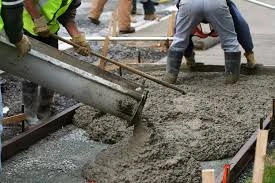
With the groundwork complete, it’s time to pour the concrete. The concrete is typically delivered by a ready-mix truck and poured directly into the forms. Workers use tools like shovels and rakes to distribute the concrete evenly.
After the concrete is placed, it is leveled using a screed—a long, straight board that removes excess material and ensures a consistent surface. This step is critical for achieving a professional finish.
Once leveled, the surface is smoothed using floats and trowels. Depending on the desired finish, contractors may apply a broom texture to create traction, which is especially important for driveways to prevent slipping.
Control Joints and Finishing Touches
Control joints are cut into the concrete to manage cracking. As concrete cures, it naturally expands and contracts. Control joints create predetermined weak points where cracks can form in a controlled manner, preventing random cracking across the surface.
Edges are also finished carefully to prevent chipping and improve the overall appearance. At this stage, decorative options such as stamping or coloring can be added if desired.
Curing Process
Curing is one of the most important yet often overlooked steps. Concrete doesn’t simply “dry”—it undergoes a chemical reaction called hydration. Proper curing ensures the concrete reaches its maximum strength.
The surface is typically kept moist for several days after pouring. This can be done using water spraying, covering with plastic sheeting, or applying a curing compound. Most driveways should not be driven on for at least 7 days, although full strength is typically achieved after about 28 days.
Maintenance and Longevity
A properly installed concrete driveway can last 25 to 30 years or more with minimal maintenance. However, there are a few steps homeowners can take to extend its lifespan.
Sealing the concrete helps protect it from moisture, stains, and weather damage. It’s generally recommended to apply a sealer every few years. Regular cleaning and avoiding heavy loads beyond the driveway’s design capacity also contribute to longevity.
In areas like central Indiana, where weather conditions can be harsh, choosing experienced professionals is key. Working with a trusted provider of Indianapolis concrete services ensures the driveway is built to withstand local conditions, including freeze-thaw cycles and seasonal temperature changes.
Final Thoughts
Pouring a concrete driveway is a significant investment, but when done correctly, it adds both function and value to your home. From proper site preparation to careful curing, each step plays a vital role in the finished product.
Whether you’re upgrading your home’s exterior or building from scratch, understanding the process can help you achieve a durable and visually appealing driveway that stands the test of time.