
The Future of Electrician Careers in the Age of AI and Automation
The rise of artificial intelligence (AI) and automation is reshaping nearly every industry, from healthcare to construction, and the electrical trade is no exception. As homes, vehicles, and infrastructure become smarter, electricians find themselves at the center of this transformation. Far from making their work obsolete, technology is expanding their role—demanding new skills, deeper technical understanding, and adaptability. Electricians are evolving from manual troubleshooters to technology-driven problem solvers who bridge human ingenuity and intelligent systems. The future of their career depends on how effectively they integrate these advancements into practical, real-world applications while maintaining the human element that technology cannot replace.
Also Read: From Garage Startups to Orbit: The Guides Turning Aviation Dreams Real
Adapting to a Digital Transformation
Automation is changing how electricians plan, design, and maintain electrical systems. Smart grids, building automation, and AI-assisted diagnostic tools are becoming standard, requiring electricians to interact with digital systems as much as physical wiring. These tools help identify faults more quickly, analyze energy usage, and predict equipment failure before it occurs. Electricians now rely on data-driven insights rather than reactive repairs. Instead of reducing their need, this shift increases demand for skilled professionals who can interpret and apply these insights in the field. As automation handles repetitive tasks, electricians focus on complex, high-level work—such as integrating renewable energy systems and managing interconnected devices. This digital transformation doesn’t replace electricians; it empowers them with greater efficiency, precision, and predictive capabilities, improving safety and performance across all electrical installations.
Emerging Opportunities in Renewable Energy and EV Infrastructure
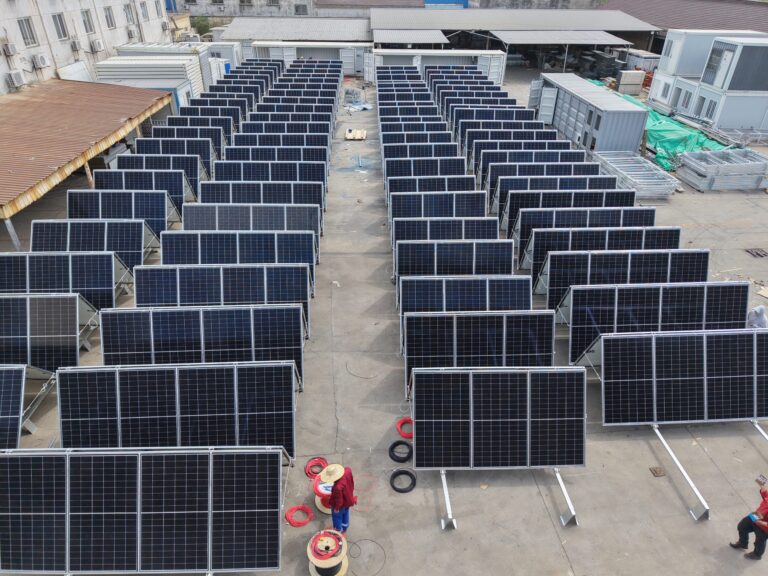
One of the most exciting frontiers for electricians lies in the renewable energy and electric vehicle infrastructure sectors. The rapid expansion of solar, wind, and battery storage systems has created new opportunities for electricians to design and install clean energy solutions. Similarly, the rise of electric vehicles has fueled a demand for home and commercial charging installations that require careful electrical planning and system integration. Governments and private companies are investing heavily in sustainable energy networks, making this one of the fastest-growing sectors in electrical work. Professionals offering EV charging installation support in Vancouver are already experiencing increased demand as homeowners and businesses transition to electric mobility. This ongoing shift underscores how electricians are not being replaced by automation but are instead guiding the world through one of its most significant energy transformations. Their hands-on understanding of power systems remains vital as digital technologies evolve around them.
AI Integration in Diagnostics and Maintenance
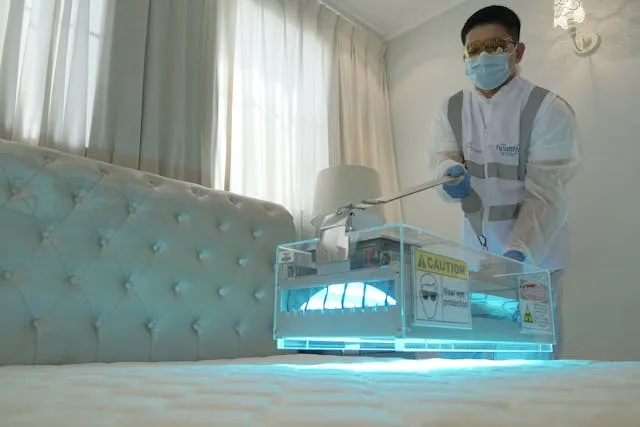
Artificial intelligence is enhancing how electricians conduct maintenance and repair tasks. Advanced sensors, connected devices, and AI-driven software now enable systems to monitor themselves, continuously alerting electricians before a failure occurs. Predictive maintenance powered by machine learning reduces downtime and improves safety by identifying risks early. Electricians analyze this data to determine whether a component should be repaired, replaced, or upgraded. The result is a proactive approach to electrical maintenance that minimizes disruptions and saves costs.
Additionally, wearable AI tools and augmented reality headsets assist electricians in the field, providing live schematics or step-by-step visuals while performing repairs. This combination of human skill and intelligent technology represents the next evolution in electrical service—a partnership in which data enhances precision without eliminating the need for human judgment. Electricians become interpreters of digital intelligence, applying experience to ensure that systems remain reliable and compliant with safety standards.
Smart Homes, IoT, and Connected Systems
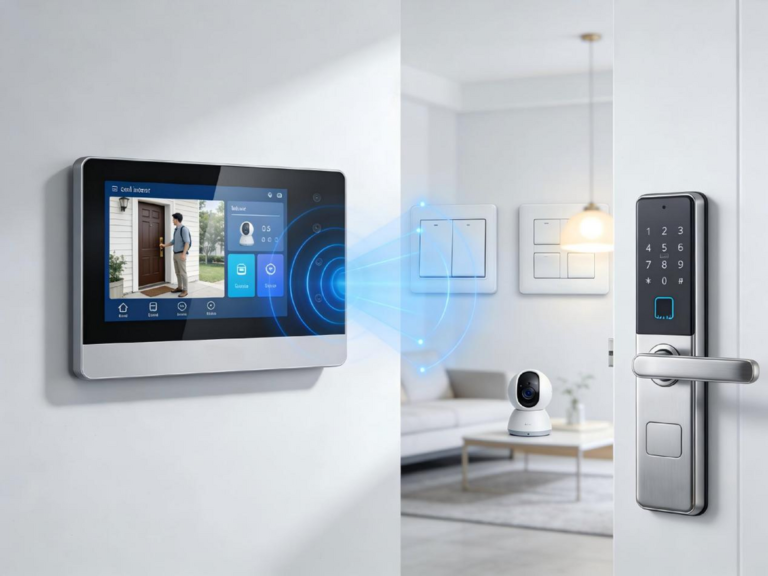
Smart homes and the Internet of Things (IoT) are redefining what it means to wire a building. Instead of simply connecting outlets and lighting, electricians now integrate networks of interconnected devices—from thermostats and lighting controls to energy management systems. Each device communicates with others, creating a synchronized ecosystem that requires proper configuration, secure wiring, and advanced troubleshooting. As automation expands, electricians must understand not only voltage and current but also software compatibility, Wi-Fi networks, and cybersecurity. A single wiring error or unsecured connection could compromise an entire smart system. This has elevated the profession, blending traditional electrical knowledge with digital literacy. Electricians who stay ahead of these trends can design homes that anticipate user preferences and automatically optimize energy use. Far from diminishing their value, the complexity of smart technologies has made electricians indispensable in creating homes that are both connected and efficient.
The Role of Continuous Learning and Certification
The future of the electrical trade depends on continuous education. As new technologies emerge, electricians must pursue ongoing training to stay current with changing codes, advanced equipment, and AI-based tools. Certifications in renewable energy systems, EV charging, and automation will become increasingly valuable in proving technical proficiency. Many training programs are evolving to include AI integration, robotics, and smart energy management. This constant evolution ensures that electricians remain at the forefront of modern infrastructure development. The most successful professionals of the future will be those who combine hands-on skill with technological adaptability. Collaboration between trade schools, manufacturers, and electrical unions is essential to provide updated training pathways. The result will be a new generation of electricians prepared not only for today’s energy systems but for the connected, automated networks that will define the decades ahead.
Human Skills in a Technological Era
While AI and automation enhance efficiency, they cannot replicate human intuition, creativity, and adaptability. Electricians often face unpredictable real-world conditions where judgment, experience, and situational awareness determine outcomes. A computer can flag an anomaly, but a human must assess context—whether it’s a loose connection, environmental factor, or aging infrastructure. These critical thinking skills remain central to the trade. Moreover, electricians interact directly with clients, explaining safety standards, costs, and sustainable options—tasks that require trust and communication beyond the reach of technology. Emotional intelligence, problem-solving, and craftsmanship remain as vital as ever. In the future, electricians will not be replaced by machines but supported by them—using AI to enhance safety, speed, and accuracy while maintaining human oversight. The blend of technical and interpersonal skills will ensure that electricians continue to thrive even as automation advances around them.
The age of AI and automation is transforming the electrical industry into one of the most forward-thinking and resilient trades. Far from diminishing the role of electricians, these technologies are expanding it—demanding new skills in data interpretation, digital systems, and smart energy design. From renewable power to connected homes, electricians are at the heart of modern innovation. Their work ensures that the infrastructure supporting AI and automation remains safe, reliable, and efficient. By embracing continuous learning and adapting to new technologies, electricians will secure their place in the future of energy and automation. The next generation of electricians will not just wire buildings—they will connect the intelligent world of tomorrow.