The Timeless Appeal and Craftsmanship of Australian Necklaces
There’s something distinctive about jewelry that comes out of Australia, a quality that goes beyond just the materials used. Australian necklaces reflect both the country’s natural beauty and the diverse influences that shape its design culture. Whether you’re looking at pieces featuring indigenous design elements, contemporary work from urban studios, or designs incorporating uniquely Australian stones and materials, there’s a depth and authenticity that makes these pieces stand out. The craftsmanship involved often combines traditional techniques with modern aesthetics, creating jewelry that feels both timeless and distinctly of this place.
Materials That Define Australian Jewelry Design
Australian opals are probably what most people think of first, and for good reason. These stones are found almost nowhere else with the same quality and variety. Lightning Ridge black opals, Coober Pedy crystal opals, and boulder opals from Queensland each have distinct characteristics. The way light plays through an opal can’t really be captured in photos, it’s something you need to see in person.
Beyond opals, Australian jewelry makers work with pink diamonds from the Argyle mine in Western Australia, though production there has now ceased, making existing pieces more valuable. South Sea pearls from the northern waters bring incredible luster and size to necklace designs. These aren’t cheap materials, but they’re genuinely unique to this part of the world.
More affordable pieces might incorporate river stones, locally sourced timber for organic designs, or recycled metals combined with Australian gemstones. Some designers work with fossilized materials or incorporate elements like eucalyptus seeds and gum nuts into resin, creating pieces that carry a direct connection to the Australian landscape.
Indigenous Design Influence and Authenticity
Indigenous Australian art and symbolism have influenced jewelry design significantly, but there’s an important distinction between authentic indigenous-made pieces and designs that simply borrow aesthetic elements. Genuine indigenous jewelry often carries meaning beyond decoration, with patterns and symbols that tell stories or represent connection to country.
Artists from communities across Australia create necklaces using traditional methods passed down through generations, sometimes incorporating contemporary materials. The dot painting style that’s recognizable globally appears in jewelry through careful enamel work or stone inlay. Other pieces might feature carved designs that reference traditional body ornaments or ceremonial items.
If you’re buying jewelry with indigenous design elements, looking for authentication and understanding whether profits support indigenous artists matters. Organizations like Arts Law Centre of Australia provide guidance on authentic indigenous art and design.
Contemporary Australian Jewelry Making
Australia’s major cities, particularly Melbourne and Sydney, have thriving communities of jewelry makers pushing contemporary design forward. These aren’t the mass-produced pieces you find in chain stores. We’re talking about studio jewelers who design and craft individual pieces or small collections.
The aesthetic often leans toward clean lines and wearability, with less of the heavy ornate styling that characterizes some European jewelry traditions. Australian designers seem to favor letting materials speak for themselves rather than overwhelming them with complex settings. A single spectacular opal might be simply set to highlight its color play, or a piece might use hammered metal textures that catch light without needing gemstones at all.
Training for these jewelers often comes through institutions like RMIT or Sydney’s Design Centre, where traditional goldsmithing and silversmithing techniques are taught alongside contemporary design thinking. The result is makers who can execute complex technical work but apply it to modern aesthetics.
Craftsmanship Techniques That Create Lasting Pieces
Handmade Australian necklaces often involve techniques that take years to master properly. Stone setting for opals requires particular care because they’re relatively soft compared to diamonds or sapphires. The setting needs to protect the stone while allowing light to enter and create that distinctive fire.
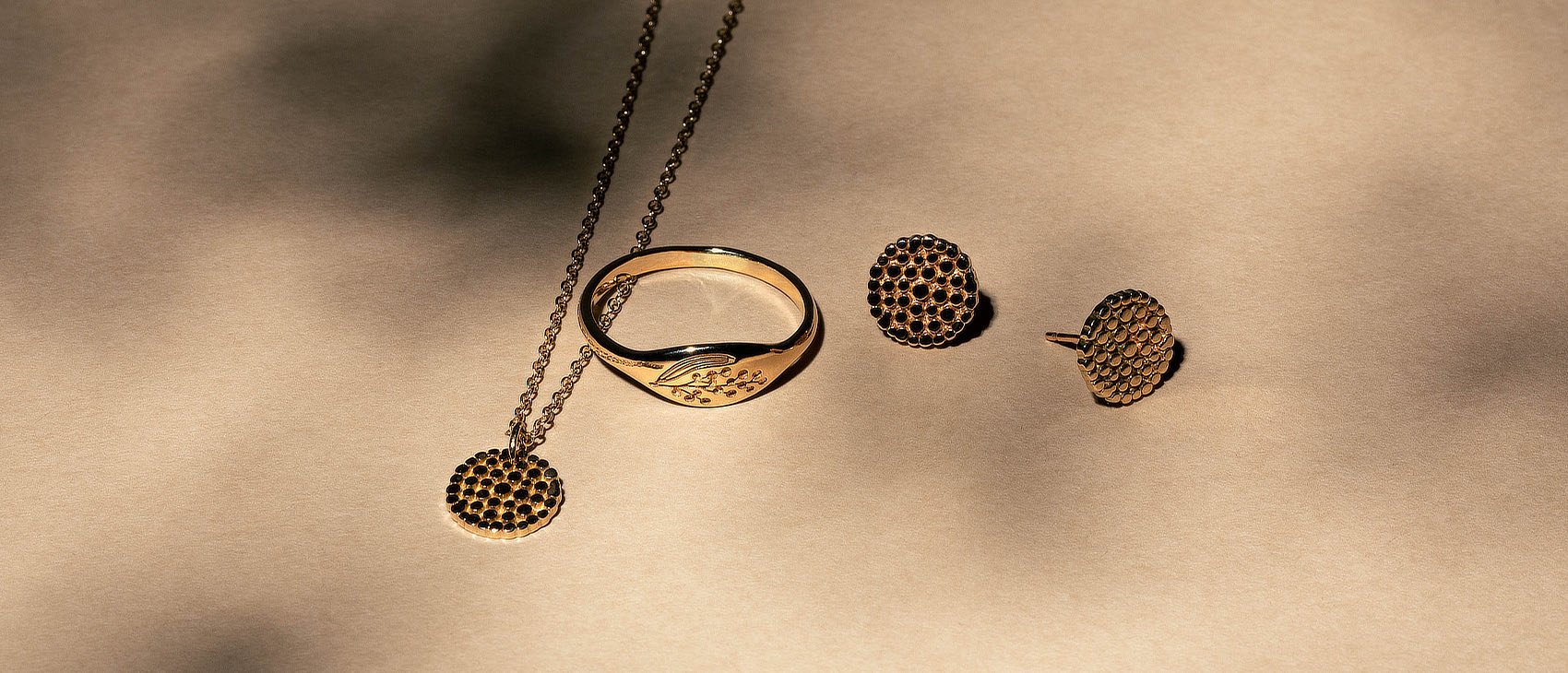
Chain making is another skill that separates quality pieces from mass production. Hand-fabricated chains have a weight and movement that machine-made chains can’t replicate. Some jewelers specialize in ancient techniques like granulation, where tiny metal spheres are fused to a surface, or in creating wire work that looks delicate but holds structural integrity.
Finishing matters tremendously in how a piece looks and lasts. The difference between adequate polishing and expert polishing shows in how light reflects from metal surfaces. Quality clasps that actually work smoothly for decades, rather than failing after a year, indicate attention to functional details alongside aesthetic ones.
Investment Value and Longevity
Well-made Australian necklaces hold value differently than fashion jewelry. Pieces using quality materials and solid craftsmanship don’t really go out of style in the way trendy designs do. An opal necklace made 30 years ago still looks current if the design was thoughtful to begin with.
The secondary market for Australian jewelry, particularly pieces with exceptional opals or Argyle diamonds, has shown strength. Collectors actively seek earlier work from established makers. This doesn’t mean every Australian necklace is an investment piece, but quality materials and recognized makers tend to retain value.
Maintenance is straightforward for most pieces if you’re sensible. Opals need occasional oiling and shouldn’t be exposed to harsh chemicals. Metal work benefits from periodic professional cleaning. Most makers offer repair services for their own pieces, and establishing that relationship when you buy means you’ve got support if something needs attention down the track.