Toilet Running or Leaking: Common Causes
That trickling sound from the bathroom at 2 a.m. isn’t just annoying. A toilet that runs constantly can waste hundreds of litres of water a day, and in Dubai that shows up on your next DEWA bill as a number that doesn’t quite make sense — until you realise the toilet’s been running since Tuesday.
Most running or leaking toilets come down to one of five worn-out parts, and most of them are easy to diagnose once you know what to look for. Here’s what’s actually going wrong, and how to tell which fix your toilet needs.
First, Figure Out Which Problem You Have
“Running” and “leaking” sound similar but usually point to different things.
- Running toilet: water keeps flowing into the tank or bowl even when nobody’s flushed it, often with a hissing or trickling sound.
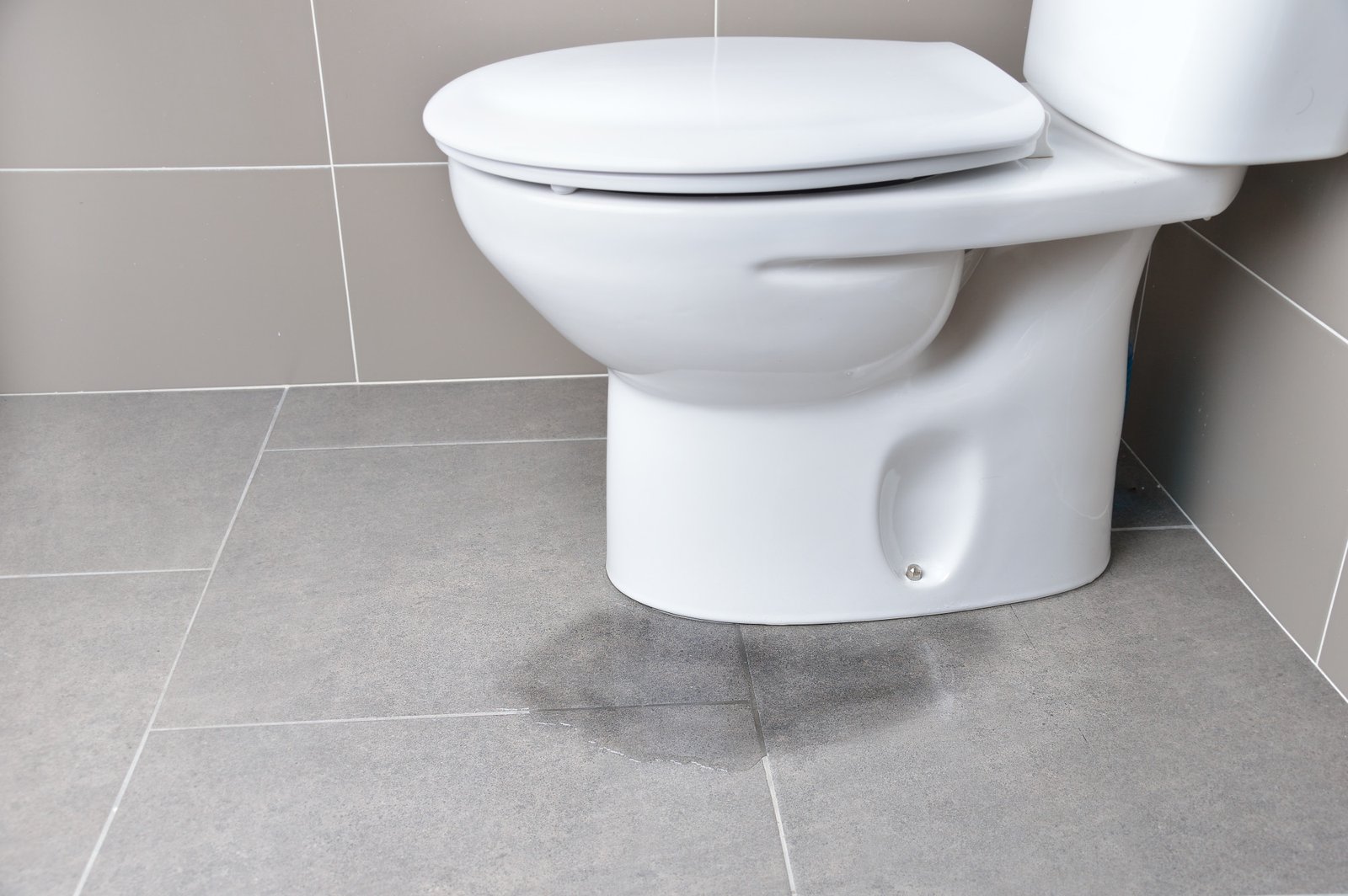
- Leaking toilet: water is escaping somewhere it shouldn’t — around the base, from a supply line, or from inside the tank — and you can see damp patches or pooling.
Some same day plumber dubai cause both. A failed tank seal, for instance, can make the toilet run constantly while also leaking onto the floor. Working through the causes below in order will get you to the source faster than guessing.
1. A Worn or Warped Flapper
This is the single most common cause of a running toilet, by a wide margin. The flapper is the rubber seal at the bottom of the tank that lifts when you flush and drops back down to seal the tank shut. Rubber degrades with age, chlorine exposure, and mineral buildup — and Dubai’s hard water speeds this up more than in most cities.
When the flapper no longer seals properly, water leaks slowly from the tank into the bowl. The fill valve senses the drop in water level and switches on to top it up, then the cycle repeats. This is sometimes called a “phantom flush” — the toilet runs briefly on its own every few minutes even though nobody touched it.
How to check it: Add a few drops of food colouring to the tank, wait 15–20 minutes without flushing, and check the bowl. If colour shows up in the bowl, the flapper isn’t sealing.
The fix: Flappers are inexpensive and usually take a few minutes to replace. If you’ve replaced it and the toilet still runs, the problem is likely the seal beneath it.
2. A Damaged Flush Valve Seat
If a new flapper doesn’t solve the running, check the flush valve seat — the plastic or ceramic ring the flapper sits against. If it’s rough, pitted, or coated in mineral scale, even a brand-new flapper can’t form a tight seal against it.
Run a finger around the rim of the opening. Grittiness, cracks, or an uneven surface mean the seat itself needs cleaning, resurfacing, or in some cases replacing the whole flush valve assembly. This is a more involved repair than swapping a flapper, and it’s where a lot of DIY fixes stall out.
3. A Faulty or Clogged Fill Valve
The fill valve controls how much water enters the tank after each flush and shuts off once the float signals the tank is full. When it’s damaged, clogged with sediment, or simply worn out, it can cause a toilet to refill randomly, run continuously, or fail to shut off at all.
Sediment and mineral debris getting lodged under the fill valve cap is a common cause of this, particularly in areas with harder water. If you notice water leaking from the top of the fill valve itself when the tank is full, that’s a clear sign the valve has failed and needs replacing rather than cleaning.
4. An Incorrectly Adjusted Float
Inside the tank, a float rises with the water level and tells the fill valve when to stop. If the float is set too high, water keeps rising until it spills into the overflow tube — and once that starts, the toilet runs continuously even though every other part is working fine.
This is one of the most overlooked causes of a toilet that won’t stop running, mainly because it doesn’t look broken. Nothing needs replacing — the float just needs adjusting down slightly so the water shuts off below the overflow tube’s rim. Ball-float and cup-float designs adjust differently, so check which type your tank uses before making changes.
5. High Water Pressure
Less obvious, but real: excessive incoming pressure can make a fill valve chatter or fail to shut off fully. This shows up as a toilet that runs intermittently right after a flush. If several fixtures show similar erratic behaviour, high pressure — not a single worn part — may be the actual cause.
6. A Cracked or Damaged Bowl
Less common, but more serious. A hairline crack in the porcelain lets water seep out slowly regardless of how well the internal parts work. This isn’t a swap-and-fix repair — putty won’t hold on a load-bearing crack, and the only real fix is replacing the toilet. Watch for a damp patch that reappears no matter how many times you dry the floor, or pooling at the base after the tank itself has been ruled out.
7. A Failed Wax Ring or Base Seal
If water is leaking around the base rather than the tank, the wax ring sealing the toilet to the floor drain has likely failed — either gradually with age, or suddenly if the toilet has ever rocked or been bumped. This is a sanitation issue as well as a water-damage one, since wastewater is escaping at the floor, not just tank water. It’s worth calling a professional for, since it involves lifting the toilet off the flange.
When a DIY Fix Isn’t Enough
Replacing a flapper or adjusting a float is a five-minute job most people can do themselves. Call a plumber when:
- You’ve replaced the flapper and fill valve and the toilet still runs
- Water is leaking from the base, not the tank
- You notice a crack in the porcelain
- The water bill has jumped and you can’t find an obvious source
- The shut-off valve behind the toilet is stiff, corroded, or won’t fully close
Ignoring a running toilet doesn’t just waste water — over weeks, a constant leak at the base can damage bathroom flooring and, in apartments, the ceiling of the unit below.
Frequently Asked Questions
Why does my toilet randomly run for a few seconds on its own? Almost always a “phantom flush” — a worn flapper letting a small amount of water leak from the tank into the bowl. The fill valve switches on briefly to replace the lost water, which is what you’re hearing.
How much water does a running toilet actually waste? A continuously running toilet can waste hundreds of litres a day depending on the leak’s severity. Even a slow, barely-audible leak adds up on a monthly water bill.
Can I fix a running toilet without calling a plumber? Often, yes. Flapper replacement and float adjustment are simple, low-cost DIY jobs. Problems involving the flush valve seat, a cracked bowl, or a failed base seal are better left to a professional.
Is a leaking toilet base always a plumbing emergency? Not always urgent in the flooding sense, but it should be addressed quickly. Leaking at the base usually means the wax ring seal has failed, and delaying the fix risks water damage to flooring and subfloor.
Does hard water make toilet problems worse? Yes. Mineral buildup accelerates wear on flappers, fill valves, and flush valve seats, which is one reason these parts fail faster in areas with harder water supply.
Smart Sync technical services provides plumbing repair and maintenance services across Dubai, including running toilet diagnosis, flapper and fill valve replacement, and full toilet and base seal repairs. Get in touch with Smart Sync for a fast, transparent-pricing plumbing visit.