

Selling a Plymouth, MI Home in 2026: How Market Speed, Pricing, and Timing Work Together
Key Takeaways
- A fast sale and the highest possible price do not always come from the same strategy.
- Recent sales near your Plymouth home are more useful than broad national housing headlines.
- Condition, paperwork, financing, and title issues can affect the closing timeline.
- Compare projected net proceeds, not only the offer amount or list price.
- A clear plan helps reduce rushed decisions, delays, and surprise expenses.
Table of Contents
- What the Plymouth Market Looks Like in 2026
- Start With the Seller’s Main Goal
- Compare the Main Ways to Sell
- Set a Price That Matches the Timeline
- Decide Which Repairs Are Worth Doing
- Prepare Documents Before Listing
- Review Offers Beyond the Headline Price
- Reduce Delays During Closing
- Watch for Common Problems in Fast Sales
- Simple Seller Checklist
- Conclusion
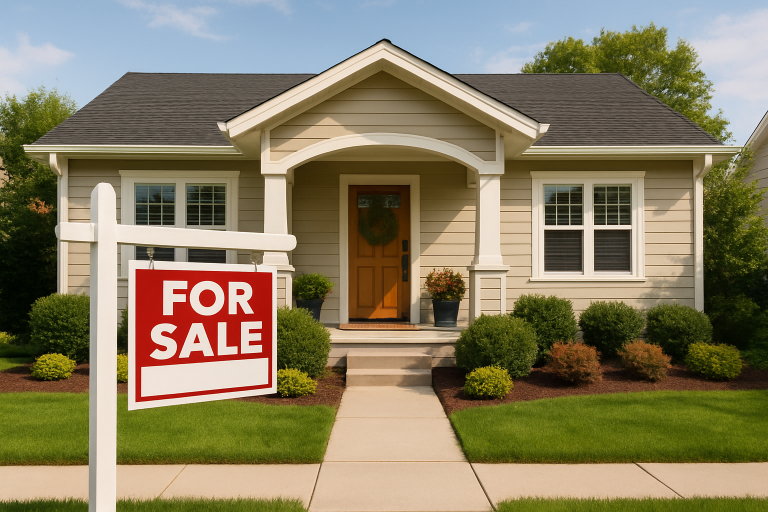
Selling a home in Plymouth can feel straightforward when buyers are active, but a successful sale still depends on matching the method to your priorities. Homeowners researching how to Sell house fast in Plymouth, MI should begin by defining what “fast” means, what they need to net from the sale, and how much preparation they can realistically manage. A quick sale is not automatically the best outcome, and a high asking price is not automatically a strong financial result. The goal is to choose a path that balances market exposure, repair costs, carrying costs, closing certainty, and the date you need to move. Local conditions matter because two similar homes can perform differently based on their neighborhood, lot, updates, school boundaries, and overall condition. Review recent nearby sales, current competition, and the number of days comparable properties have been available before making decisions. Seasonality can matter as well. Spring often brings more activity, while winter weather and holiday schedules may limit showings. That does not mean a Plymouth home cannot sell outside peak season. It means sellers should set expectations based on the property and their timeline rather than a single broad market trend. For owners who prefer a more direct route, services that say We buy homes in Michigan may be one option to compare alongside a conventional listing. The important step is to request clear terms and evaluate the complete financial result before choosing any route.
What the Plymouth Market Looks Like in 2026
Market value, list price, sale price, and net proceeds are different figures. Market value is an informed estimate of what qualified buyers may pay. List price is the starting number used to market the home. The sale price is the agreed contract amount. Net proceeds are what remain after the mortgage payoff, seller expenses, repair credits, and other obligations are paid. Use homes that are similar in location, square footage, age, layout, condition, and amenities as your comparison group. An online estimate can be a useful starting point, but it cannot see deferred maintenance, a renovated kitchen, a busy road, or other details that influence a buyer’s decision.

Start With the Seller’s Main Goal
Every seller has a different reason for moving. Write down the priority before selecting a price or accepting an offer. Common goals include:
- Getting the highest practical price.
- Closing by a firm date.
- Avoiding extensive repairs and repeated showings.
- Keeping control of the move-out date.
- Reducing uncertainty and stress.
For example, an owner relocating for work may accept a somewhat lower offer with a dependable closing date rather than carry two housing payments, complete major repairs, and wait through a longer listing period. The better choice is the one that produces the strongest overall outcome for that owner’s circumstances.
Compare the Main Ways to Sell
Traditional Listing
A traditional listing can create broad exposure and attract multiple buyers. It may also require cleaning, staging, showings, negotiations, inspections, appraisal review, and lender approval. This route often suits homes that are market-ready and sellers who have flexibility.
For-Sale-By-Owner
Selling without an agent may give an owner more control, but it also places the responsibility for pricing, marketing, screening, negotiation, contract coordination, and paperwork on the seller. It can work well for experienced owners, though the time commitment should be considered honestly.
Direct Cash Sale
A direct cash sale may reduce preparation and shorten the path to closing. Sellers should still verify proof of funds, ask which fees will be deducted, understand inspection or cancellation terms, and compare the offer against likely market value and total selling costs.
Set a Price That Matches the Timeline
An aggressive but supportable price can encourage early interest. An inflated price may lead to fewer showings, longer time on market, and later reductions that make buyers question the property. Review several relevant sales and honestly consider the condition of your home.
Expected Net Amount = Sale Price − Mortgage Payoff − Selling Costs − Repairs − Moving Costs
Run this calculation for multiple selling options. A larger offer can produce less money in hand if it requires substantial concessions, repair work, commission, extended carrying costs, or a delayed closing.
Decide Which Repairs Are Worth Doing
Not every improvement returns its full cost. Prioritize active leaks, safety concerns, major system failures, and visible issues that could derail an inspection or make buyers doubt the home’s upkeep. Basic cleaning, decluttering, landscaping, and small cosmetic updates can improve first impressions without requiring a full renovation.
- Get written estimates before approving major work.
- Address known heating, cooling, plumbing, and electrical problems.
- Avoid expensive upgrades with uncertain value unless they fit your selling plan.
- Keep invoices and warranties for completed repairs.
Prepare Documents Before Listing
Early preparation helps avoid title and closing delays. Gather mortgage account information, tax records, utility and repair records, warranties, deed or survey documents, HOA information if applicable, and details about liens or unpaid balances. Michigan sellers should also understand the applicable disclosure requirements in the state’s property disclosure laws. For advice on a specific situation, consult a qualified real estate attorney or closing professional.
Review Offers Beyond the Headline Price
The highest offer is not always the strongest offer. Compare the full package, including financing, earnest money, inspection terms, appraisal requirements, requested seller credits, contingency deadlines, closing date, possession date, and the buyer’s right to cancel. A lower offer with solid financing and fewer contingencies may be more dependable than a larger offer with several ways to fall apart.
Reduce Delays During Closing
- Select a title, escrow, or closing professional early.
- Respond quickly to document and title requests.
- Confirm how mortgage payoffs and liens will be handled.
- Keep the buyer, lender, and closing team informed about the target date.
- Review final documents carefully before signing.
- Plan the move before the final walkthrough.
Speed should reduce wasted time, not remove basic protections. When the buyer is using financing, the Closing Disclosure helps outline final loan costs and terms, making it especially important to keep communication moving as closing approaches.
Watch for Common Problems in Fast Sales
- Fees or deductions that are not clearly explained in writing.
- Pressure to sign before reviewing the full agreement.
- Verbal promises that do not appear in the contract.
- Unverified buyers or unclear funding sources.
- Requests for sensitive information through unsecured email or text messages.
- Last-minute changes to price, possession, or closing terms.
Ask for a written breakdown of the transaction. Do not sign blank documents, and pause when terms differ from what was discussed.
Simple Seller Checklist
- Set your preferred sale and move-out dates.
- Estimate your mortgage payoff and other obligations.
- List necessary repairs and gather estimates.
- Collect property, tax, warranty, and HOA documents.
- Review recent comparable sales.
- Compare at least two selling methods.
- Calculate estimated net proceeds for each option.
- Read every offer and closing term carefully.
- Confirm the closing process in writing.
Final Thoughts
Selling quickly is only one part of a successful Plymouth home sale. The best approach depends on the home’s condition, your required timeline, your tolerance for repairs and showings, and the money left after all costs are paid. By comparing price, speed, effort, and risk before committing, sellers can make a more confident decision in 2026. Reviewing multiple offers, understanding contract terms, estimating closing expenses, and confirming the buyer’s ability to complete the purchase can also help prevent delays and unexpected costs. A thoughtful evaluation of every option makes it easier to choose a selling strategy that supports both your financial goals and your desired moving schedule while reducing stress throughout the transaction.





One Comment
Comments are closed.