When homeowners consider demolition instead of renovation?
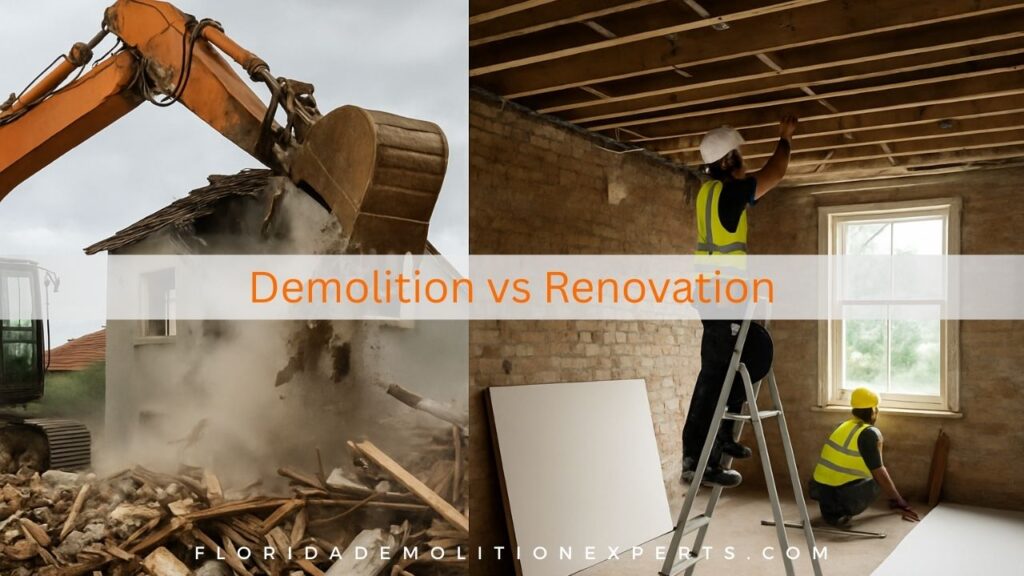
Homeowners often face a pivotal decision when their property begins to show signs of age, damage, or no longer meets their needs: should they renovate or demolish and start anew? This choice can be influenced by a variety of factors, including the condition of the structure, local regulations, budget constraints, and long-term goals for the property. While renovation can breathe new life into an existing home, there are situations where demolition is the more practical or cost-effective solution. Understanding when to choose one over the other is crucial for making a sound investment and ensuring the safety and comfort of those who live there.
Also Read: Why cockroaches appear in homes that are regularly cleaned?
Key factors to consider
Assessing the structural integrity
One of the most important considerations when deciding between renovation and demolition is the structural integrity of the home. Over time, buildings can suffer from foundational issues, extensive water damage, termite infestations, or outdated construction methods that no longer meet current safety codes. If a home’s foundation is compromised or the framing is severely damaged, renovation may not be feasible or safe. In such cases, the cost of repairing these fundamental issues can quickly surpass the expense of tearing down the structure and building anew. Homeowners should consult with qualified inspectors or engineers to thoroughly assess the condition of the property before making a decision. If the underlying structure is unsound, demolition may be the only viable path forward to ensure the safety and longevity of the new home.
When renovation costs outweigh benefits
Another critical factor is the financial aspect of renovation versus demolition. Renovation projects can quickly become expensive, especially when unexpected problems are uncovered during construction. Older homes may require extensive updates to electrical, plumbing, and HVAC systems to comply with modern building codes. Additionally, the cost of bringing a home up to current energy efficiency standards can be significant. If the total estimated cost of renovation approaches or exceeds the value of a new build, homeowners should seriously consider demolition. In some cases, working with a local demolition company in gresham can provide a clearer picture of the costs involved and help homeowners make an informed decision. Demolition may also offer the opportunity to design a home that better suits current needs and preferences, rather than being constrained by the limitations of the existing structure.
Zoning laws and property restrictions
Local zoning laws and property restrictions play a significant role in determining whether demolition is a viable option. Some neighborhoods have strict guidelines regarding the size, height, and placement of new structures, which can impact the feasibility of rebuilding. Homeowners must research local ordinances and obtain the necessary permits before proceeding with demolition. In certain historic districts, there may be additional regulations aimed at preserving the architectural character of the area, which could limit the ability to demolish or significantly alter existing homes. Understanding these legal requirements is essential to avoid costly delays or fines. Consulting with local authorities or planning departments can help clarify what is permissible and ensure that any new construction will be compliant with all relevant regulations.
Environmental considerations
Environmental impact is another important aspect to weigh when choosing between renovation and demolition. Demolishing a home generates a significant amount of waste, including materials that may not be recyclable or biodegradable. However, older homes may contain hazardous materials such as asbestos or lead paint, which require careful handling and disposal. Renovation can sometimes be more environmentally friendly if it allows for the reuse of existing materials and reduces the need for new resources. On the other hand, building a new, energy-efficient home can result in lower utility costs and a smaller carbon footprint over time. Homeowners should consider the long-term environmental benefits and drawbacks of each option, as well as any incentives or programs available for sustainable building practices in their area.
Timeline and disruption
For many homeowners, the timeline and level of disruption involved in renovation versus demolition are significant considerations. Renovation projects can often be completed in phases, allowing residents to remain in the home during construction, albeit with some inconvenience. Demolition and new construction, however, typically require the property to be vacant for an extended period. This can mean additional costs for temporary housing and storage. The overall duration of a new build may be longer, but it can also provide a fresh start with fewer ongoing maintenance issues. Homeowners should weigh the short-term inconvenience against the long-term benefits of a new, custom-built home when making their decision.
When demolition is the safer choice
In some situations, demolition is the safest and most practical option. Homes that have suffered severe fire or flood damage may be structurally unsound and pose health risks due to mold, toxins, or compromised materials. In these cases, attempting to renovate can be dangerous and ultimately more costly than starting from scratch. Demolition allows for the removal of all hazardous materials and the construction of a safe, modern home that meets current building standards.
Conclusion
Deciding whether to renovate or demolish a home is a complex process that involves evaluating structural integrity, financial implications, legal requirements, environmental impact, and personal preferences. While renovation can be a rewarding way to preserve the character of an existing home, there are circumstances where demolition is the more practical and cost-effective solution. Homeowners should carefully assess the condition of their property, consult with professionals, and consider both short-term and long-term goals before making a final decision. By taking the time to weigh all relevant factors, homeowners can ensure that their investment leads to a safe, comfortable, and valuable living space for years to come.