Why a Fresh Garage Door Changes More Than You Think
A garage door does more than open and close. It protects your car, your tools, and often a side entrance into your home. When the door starts sticking, sagging, or making noises that weren’t there a year ago, it might be time to stop patching it up and think about garage door installation mesa homeowners can actually rely on for years.
Mesa’s heat is no joke. Summers push past 110 degrees, and that kind of sustained heat warps cheap panels, dries out weatherstripping, and stresses old springs faster than in milder climates. A door built for a different region simply won’t hold up the same way here.
Signs Your Door Has Reached the End
Most people wait too long to replace a garage door because repairs feel like the cheaper option. Sometimes they are. But there comes a point where another patch job is just delaying the inevitable.
Watch for these signs:
- The door takes noticeably longer to open or close than it used to
- Panels are dented, cracked, or visibly warped from sun exposure
- You’re calling for repairs more than once a year
- The door feels heavier or louder when operating
- Energy bills creep up because the old door no longer insulates the garage properly
If two or more of these sound familiar, a new installation is probably more cost effective than another round of patchwork.
The Real Cost of Repeated Repairs
It’s worth running the numbers honestly before deciding to repair again. A single spring replacement might run a modest amount, but when you add up a cable repair last spring, a roller replacement over the summer, and now another spring issue, the total often creeps close to what a basic new installation would cost. Beyond the dollars, there’s also the time spent scheduling appointments, waiting around for technicians, and dealing with a door that’s unreliable in the meantime. Many homeowners only realize how much they’ve spent on a failing door once they tally up a year or two of receipts.
Choosing Materials That Survive the Desert
Not every garage door material handles Arizona weather equally well. Steel doors with a baked enamel finish resist fading and warping better than basic wood. Insulated doors, in particular, make a noticeable difference in keeping the garage cooler, which matters if your garage connects directly to living space or you use it as a workshop.
Homeowners often assume insulation only matters in cold climates. In Mesa, it works the other way. A well insulated door keeps blistering heat from radiating into the garage and, by extension, into nearby rooms.
Composite materials offer another option worth considering, particularly if you like the look of wood without the maintenance headaches it brings in a hot, dry climate. These doors resist cracking and fading far better than genuine wood while still offering a similar visual warmth.
Matching the Door to Your Home’s Style
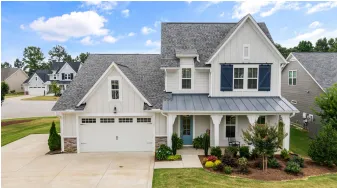
Beyond function, a new garage door is also a major design decision. Since it often makes up a significant portion of your home’s visible exterior, choosing a style that complements your architecture matters more than many homeowners initially expect. Carriage style doors suit homes with a more traditional or southwestern feel, while flush panel designs work well with newer, more contemporary builds. Classic raised panel doors remain a safe, versatile choice that blends into nearly any neighborhood without standing out for the wrong reasons.
Color choice plays a role too, particularly in a hot climate. Lighter shades reflect more heat, which can help keep the garage interior a bit cooler during peak summer afternoons, while darker tones tend to absorb more heat and warm the space accordingly.
What Professional Installation Actually Involves
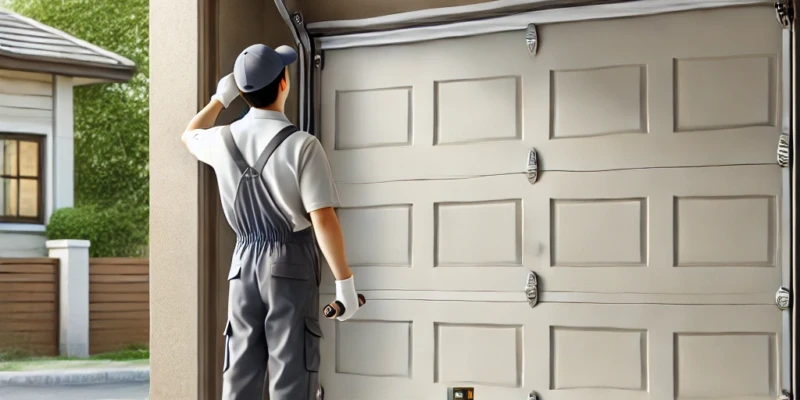
A proper installation is more than bolting panels together. It includes balancing the door so it doesn’t strain the opener, calibrating safety sensors, setting spring tension correctly, and making sure the tracks are perfectly aligned. Get any of these wrong and you end up with a door that’s noisy, unsafe, or short lived.
This is where working with an experienced local team pays off. A company that handles installations across the Valley every week understands how local conditions affect hardware choices and adjustments in a way a generic national chain often doesn’t. They know which spring types tend to hold up better against Mesa’s heat, which weatherstripping materials actually resist cracking, and how to set tension correctly given the way temperature swings affect metal components throughout the year.
What to Expect on Installation Day
Most standard installations are completed within a single day. The crew typically begins by removing the old door, inspecting the existing tracks and opener to determine what can be reused, and then mounting the new panels section by section. Spring tension gets calibrated specifically to the new door’s weight, and the process wraps up with a full test of the opener, sensors, and manual release to confirm everything works safely before the crew leaves.
Clearing the area around your garage beforehand, both inside and outside, helps the process go smoothly and reduces the risk of accidental damage to anything stored nearby.
Considering the Opener at the Same Time
If your current opener is already several years old, it’s often worth discussing replacement at the same time as the door itself. A mismatch between an older, underpowered opener and a new, heavier insulated door can lead to strain and premature wear, undermining some of the benefit of upgrading the door in the first place. Newer openers also tend to include improved security features and battery backup options that older units simply don’t offer.
Getting It Done Right the First Time
If your current door is on its last legs, don’t wait for it to fail completely, often at the worst possible moment. Reach out to a trusted provider garage door installation mesa residents have counted on, and get a door that’s actually built for the climate you live in. A solid, properly installed door adds curb appeal, improves home security, and saves you from the headache of recurring repairs down the road. Taking the time to choose the right material, style, and installer now means years of smooth, reliable operation ahead, instead of another round of patchwork fixes that never quite solve the underlying problem.