Work Site Portable Lunch Rooms
Construction and mining sites have strict workplace requirements, and one of them is providing proper facilities where workers can eat lunch away from hazardous areas. You can’t just tell people to sit in their cars or eat standing up near equipment. Fair Work regulations in Australia mandate adequate meal break facilities for workers, and that’s where portable lunch room hire becomes necessary rather than optional. These units provide clean, climate-controlled spaces that meet OH&S standards without the commitment of purchasing permanent infrastructure. The rental model makes sense for projects with defined timelines because you’re not stuck with a building you don’t need once the job wraps up.
What Regulations Actually Require
Safe Work Australia guidelines specify that lunchrooms must be separated from work areas where hazardous substances or processes occur. The space needs proper ventilation, heating or cooling depending on climate, and enough seating for the number of workers on shift. Most states require at least 1.5 square meters per person, though that’s pretty cramped if you’re being honest about it.
The facilities also need running water for handwashing and food preparation. Some sites connect portable lunchrooms to existing water lines, but most rental units come with water tanks that hold 200 to 400 liters. That’s enough for a crew of 20 workers for about a week. Wastewater goes into a separate grey water tank that needs regular pumping.
Standard Features in Modern Rental Units
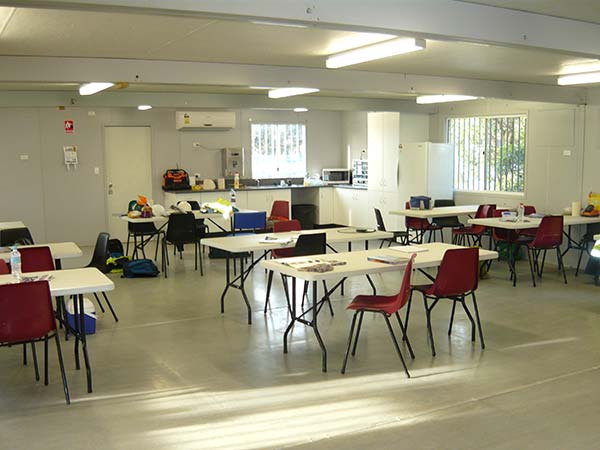
Most portable lunchroom hire companies provide units between 6 and 12 meters long. A typical 9-meter unit comfortably seats 15 to 20 workers with proper tables and chairs. The interior walls are usually vinyl-clad plywood, which wipes clean easily and doesn’t absorb food smells the way fabric or untreated wood does.
Refrigeration is standard now. Most units include a commercial-grade fridge with around 400-liter capacity. Some larger units have two fridges or add a separate freezer. Microwave ovens are usually built into cabinetry along one wall, and you’ll typically get a stainless steel sink with hot and cold water mixing taps.
The electrical systems run on either 15-amp or 32-amp connections. Smaller units work fine on 15 amps, but if you’ve got multiple microwaves, a fridge, air conditioning, and lighting all running at once, you need the heavier circuit. Most rental agreements include the initial electrical hookup as part of delivery.
Hire Costs and Contract Terms
Weekly rental rates for portable lunchrooms range from $80 to $200 depending on size and features. A basic 6-meter unit without a fridge might cost $80 per week. A 12-meter unit with full amenities including air conditioning and multiple fridges runs closer to $200 weekly. Most companies require minimum rental periods of four weeks, though some offer shorter terms at higher weekly rates.
Delivery and pickup fees typically add $300 to $800 each way depending on distance from the depot. If your site is more than 100 kilometers from the rental company’s base, expect to pay more. Setup usually takes two to three hours, including leveling the unit and connecting utilities.
Maintenance Responsibilities and Common Issues
Rental agreements usually specify who handles what maintenance. Tenants are responsible for basic cleaning and minor issues like replacing light bulbs. The rental company handles major repairs, structural problems, and appliance failures. But here’s what catches people out: if damage occurs due to misuse or negligence, you’re paying for repairs.
Common problems include blocked drains from food waste, damaged flooring from dragging equipment inside, and air conditioning failures when units aren’t properly ventilated. Most contracts require you to keep the area around the unit clear to allow airflow to the AC condenser.