How Hoodies for Men Blend Comfort, Style, and Everyday Function
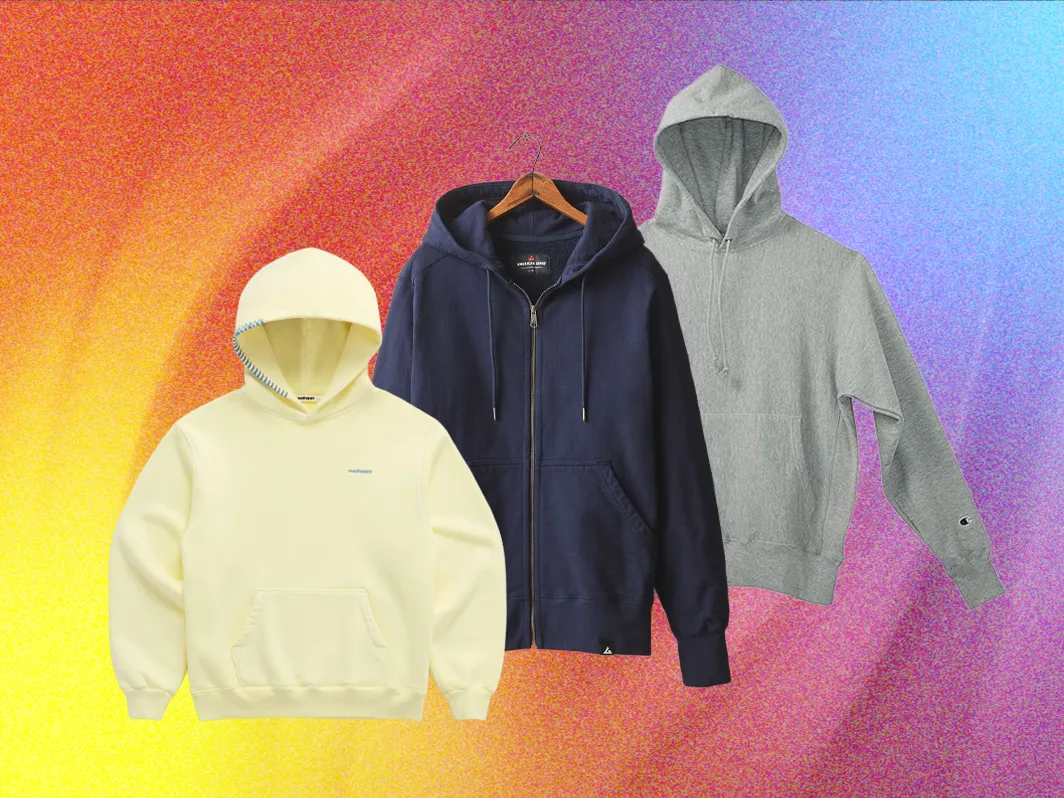
The hoodie sits at this intersection of athletic wear, casual fashion, and practical outerwear that few other garments manage. Hoodies for men work equally well at the gym, running errands, or meeting friends because they balance form and function without demanding much thought. Consumer research shows that the average person wears hoodies 2-3 times per week across all demographics, making them one of the most frequently worn items in modern wardrobes. This popularity isn’t accidental, the design solves real problems around temperature regulation, weather protection, and social versatility while remaining comfortable enough for all-day wear. Understanding why hoodies work so well helps you choose better ones and use them more effectively.
Fabric Choices Change Everything
Cotton fleece remains the standard hoodie material because it’s soft, warm, and affordable. The brushed interior traps air for insulation while feeling comfortable against skin. But pure cotton absorbs moisture and takes forever to dry, which is fine for sitting around but problematic if you’re active or caught in light rain. Cotton-polyester blends (typically 80/20 or 70/30 cotton/poly) dry faster and resist shrinking better than pure cotton while maintaining most of the comfort. French terry fabric uses a loop construction on the inside that wicks moisture more effectively than standard fleece, making it better for workouts or variable temperatures. Weight matters too, lightweight hoodies around 7-9 oz work for layering, midweight 10-12 oz handles most casual wear, heavyweight 13+ oz provides serious warmth.
Hood Design and Practical Use
The hood itself serves multiple functions beyond just covering your head. It blocks wind around your neck, provides quick rain protection, and creates a sense of enclosure that many people find psychologically comforting. Lined hoods with jersey fabric feel better against skin than unlined ones. Adjustable drawstrings let you tighten the hood in wind, though many cheaper hoodies use strings that pull out after a few washes. Three-panel hood construction shapes better around your head than two-panel designs. Some performance hoodies skip the drawstrings entirely and use elastic binding for a cleaner look. The hood size varies too, oversized hoods popular in streetwear styles fit over hats but can obstruct peripheral vision.
Fit Evolution and Body Types
Hoodies have gone through dramatic fit changes over the past 15 years. The baggy, oversized look from the 2000s gave way to slim fits around 2010-2015, then relaxed fits came back recently but with better proportions than the original baggy styles. For most guys, a modern regular fit works best, slightly tapered through the body without clinging, sleeves that end at the wrist bone, length that covers the belt line by a few inches. Taller guys often struggle with sleeve length on standard sizes and need to size up or look for tall-specific options. Broader builds do better with athletic cuts that have more room in the shoulders and chest without getting boxy in the waist.
Kangaroo Pockets vs Side Pockets
That front pouch pocket is called a kangaroo pocket and it’s both a practical feature and a comfort element. The single large opening lets you warm both hands simultaneously and provides substantial storage for phone, keys, wallet. But items can fall out when you sit down or bend over. Side seam pockets with zipper closures secure belongings better but separate your hands. Some hoodies include both styles or add interior pockets for valuables. Pocket placement affects how the hoodie hangs, lower pockets can create sagging if you load them heavily. Reinforced pocket stitching prevents tearing at stress points, cheaper hoodies often fail here first.
Zipper vs Pullover Functionality
Full-zip hoodies offer more temperature control and they’re easier to layer under jackets, but the zipper adds weight and cost. Pullover hoodies maintain cleaner lines and weigh less but you can’t vent heat as easily. Quarter-zip pullovers split the difference, giving you some ventilation control while keeping the simpler construction. Zipper quality varies dramatically, YKK zippers handle thousands of cycles while cheaper alternatives stick or break teeth within months. Two-way zippers on longer hoodies let you unzip from the bottom for sitting comfort.