Why Oates Cleaning Supplies Stand Out
The brand started in 1917, so they’ve had over a century to figure out what works. But what specifically makes their products handle tough environments better than competitors?
Also Read: 7 Smart House Cleaning Tips That Make Your Home Feel Fresh
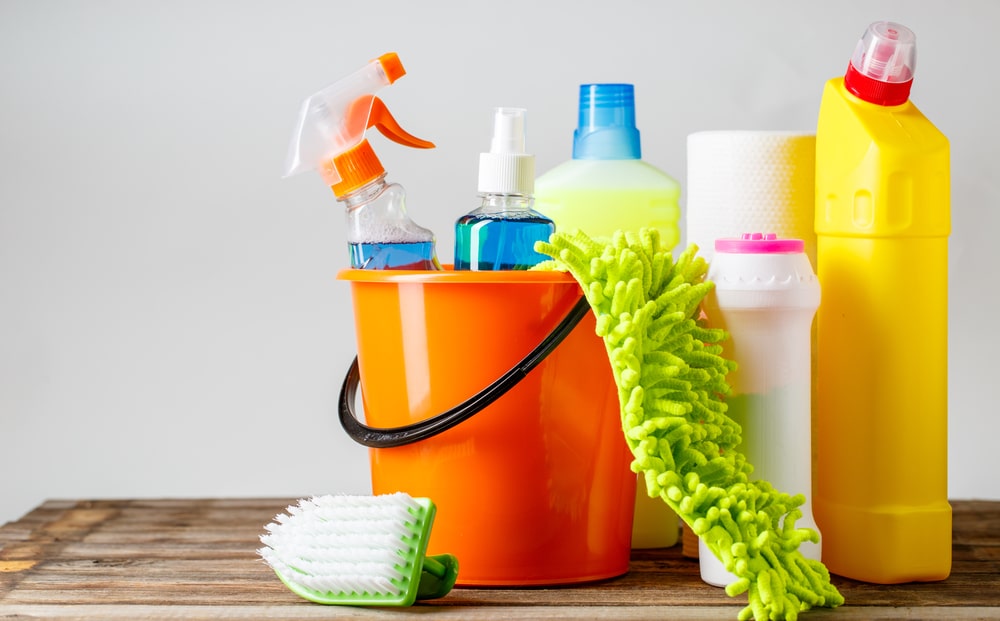
When you’re running cleaning operations in hospitals, industrial facilities, or high-traffic commercial buildings, equipment failure isn’t just annoying, it’s costly. Commercial cleaning supplies by Oates Professional have built a reputation in Australia and increasingly worldwide for lasting through the kind of abuse that destroys cheaper alternatives. I’m talking mop heads that survive hundreds of washes, bucket systems that don’t crack after years of use, and chemicals that actually perform consistently in hard water conditions.
Engineered Materials for Durability and Performance
Oates uses polypropylene and polyethylene blends in their bucket systems that have specific impact resistance ratings. Their buckets typically withstand drop tests from 4 feet onto concrete without cracking, even when filled with liquid. Most plastic buckets crack or develop stress fractures from drops around 2 to 3 feet. This matters in real-world use where buckets get knocked over or dropped constantly.
The mop frames use powder-coated steel rather than bare steel or plastic alternatives. Powder coating creates a finish 3 to 5 times thicker than conventional paint (usually 2 to 4 mils thick versus 0.6 to 1 mil for paint). This thickness provides better corrosion resistance in wet environments and protects against chemical damage from cleaning solutions. I’ve seen Oates mop frames still looking decent after 3 years of daily hospital use while cheaper brands rust out within 6 months.
Their microfiber cloths and mop heads use split-fiber technology where each fiber is divided into wedge-shaped segments. This increases surface area by about 40 times compared to cotton. More surface area means better dirt and bacteria pickup. Testing shows quality microfiber removes 99 percent of bacteria with just water, versus 30 to 40 percent for cotton materials.
Modular Systems That Reduce Replacement Costs
What I appreciate about Oates is their modular design philosophy. Instead of replacing an entire mop when the head wears out, you just swap the head. Their Kentucky mop system uses a spring-grip or screw-top attachment that takes like 30 seconds to change. Replacement heads cost $8 to $15 versus buying a whole new mop for $25 to $40.
The same goes for their squeeze mop buckets. The wringer mechanism is a separate component that can be replaced if it breaks. Most bucket systems are one-piece units where if the wringer fails, you trash the whole thing. Oates wringer replacements run about $20 to $35, much cheaper than a new complete bucket system at $80 to $120.
This modularity matters more in commercial settings than residential because of usage volume. A hospital might go through mop heads every 2 to 3 weeks but the frame and bucket last years. Being able to stock just replacement heads instead of complete units saves storage space and reduces ordering frequency.
Chemical Formulations for Hard Water and Variable Conditions
Australia has some of the hardest water in the world, particularly in areas like Adelaide and Perth where total dissolved solids can exceed 500 ppm. Oates formulates their chemicals specifically for hard water performance. They use chelating agents (usually EDTA or NTA) that bind to calcium and magnesium ions, preventing them from interfering with surfactant performance.
In soft water, most detergents work fine. But in hard water, standard formulations lose cleaning effectiveness by 40 to 60 percent because minerals interfere with the surfactants. Oates products maintain more consistent performance across different water conditions, which is why facilities in hard water areas see better results even though the products might cost 10 to 15 percent more than generic alternatives.
Their floor cleaners use low-foaming surfactant systems specifically designed for auto-scrubber machines. High-foam products can damage scrubber vacuum systems and leave residue. Oates formulations produce minimal foam even in the mechanical action of scrubber brushes, which matters for facilities using automated cleaning equipment.