Simple Storage Solutions That Reduce Stress
Clutter adds pressure in small, constant ways. Shoes by the door turn into a stumbling block, stacks of paper start to feel like unfinished business, and crowded closets make simple mornings harder than they need to be. Storage solutions reduce that tension because they create clear homes for everyday items.
Memphis has been leaning toward practical home organization that supports busy schedules. Local conversations around home upgrades often include functional storage, multipurpose spaces, and quick resets that keep the week running smoothly. People want systems that look good, yet the real priority is comfort and simplicity.
Also Read: Key Factors to Consider When Buying a Luxury Villa in Phuket
Start with a “stress map” of your home
An organization works best when it targets the spots that cause daily frustration. A quick walk-through reveals patterns. The same counter collects the same items. The same chair becomes the same landing strip. Those are not personality flaws. They are signals that the home needs better placement and clearer boundaries.
Pick three stress zones and name the problem in plain words. The entryway feels chaotic because shoes and bags have no assigned space. The kitchen counter looks messy because small appliances and mail compete for room.
Make Room at Home With Self-Storage
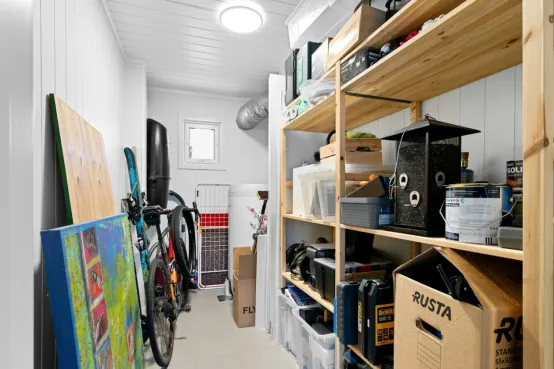
Self-storage is ideal for overflow that doesn’t belong in daily life. Some items create stress because they take up space while offering little day-to-day value—seasonal décor, extra furniture, keepsakes, and boxes of old records.
Sort simply: daily-use items stay within reach. Occasional-use items can stay home if space allows, but they need a clear container and a label. Rare-use items do better outside the house, especially when they’re bulky or sentimental. If you’re a homeowner in Memphis storage units can be acquired from reliable companies that offer secure facilities, flexible lease terms, and convenient access. This makes it easier to keep your home organized while still knowing your belongings are protected and available whenever you need them.
Create one drop zone that prevents daily pileups
Homes get messy when small items do not have a landing spot. Keys drift, sunglasses disappear, and mail spreads across any flat surface. A drop zone solves that problem by giving the day a predictable starting and ending point.
Choose one location near the main entrance and keep it tight. A shallow tray for keys and wallets, a few hooks for bags, and a slim bin for mail usually works. The goal is control, not a new clutter display. A drop zone should look calm even when it is in use.
Make closet space feel bigger with zones and matching hangers
Closets become stressful when they hold everything but support nothing. Clothing gets crammed, items fall off mismatched hangers, and getting dressed turns into a scavenger hunt. A few simple upgrades make closets feel spacious and easy to use.
Start with zones. Group clothing into clear sections such as workwear, casual, outerwear, and special items. This layout makes choices faster and keeps the closet from being rearranged every time something is pulled out. Matching hangers add instant visual calm and help clothes sit neatly without sliding.
Turn under-bed and vertical space into calm, hidden storage
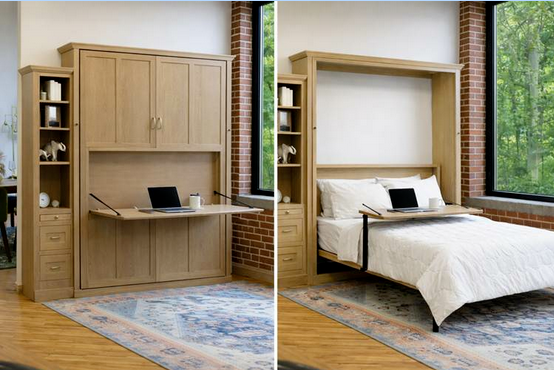
A home can feel cramped even when space exists. The trick is using it in ways that stay invisible and convenient. Under-bed storage works well for items that are needed sometimes, yet do not deserve prime closet space. Extra linens, off-season clothes, and spare blankets fit nicely in low-profile bins.
Choose containers that make sense to grab and slide back easily. Clear bins help with quick identification, while labeled fabric boxes keep things tidy and soft-looking. Keep categories simple so the storage stays easy to maintain.
Simplify the kitchen with containers that match real routines
The kitchen gets messy fast because it carries out so many daily tasks. Cooking, snacks, school lunches, and quick cleanups all happen in the same small zone. A good storage plan keeps the most-used items close to where they get used, so nothing has to be shuffled around just to start dinner.
Set up storage around routines. Keep cooking tools near the stove, prep items near the main counter, and food storage containers near the fridge. Create a small snack area that stays easy to reach, then refill it once a week instead of letting it spread across multiple shelves. This kind of setup makes the kitchen feel calmer because everything has a clear purpose and a clear home.
Reduce paper stress with one filing method that stays small
Paper clutter feels heavy because it sits in view and whispers that something needs attention. The cure is not a giant filing cabinet. The cure is a simple method that limits how much paper stays in the house and makes the important items easy to find.
Use a three-part system that fits in one spot: action, file, shred. Action papers include bills to pay, forms to complete, and anything with a deadline. File papers include insurance documents, receipts worth keeping, and records that may be needed later. Shred covers anything with personal details that does not need to stay. This approach keeps decisions quick and stops paper from drifting into stacks.
Keep storage solutions working with a simple maintenance rhythm
Storage only reduces stress when it is easy to maintain. A complicated system looks great on day one and collapses by week two. A simple rhythm keeps your home under control without turning organization into a hobby.
Pick a weekly reset that takes less than fifteen minutes. Focus on high-traffic zones such as the entryway, kitchen counter, and living room surfaces. Return items to their homes, empty small bins, and toss what no longer belongs. This steady rhythm prevents the “big cleanup” cycle that always feels exhausting.
Storage solutions reduce stress when they support real life. A home feels lighter when clutter stops forming in the same places, overflow gets handled with a clear plan, and daily items land where they belong.
Simple systems create that stability because they are easy to follow and easy to maintain. The result is fewer distractions, smoother routines, and a space that feels comfortable to live in.