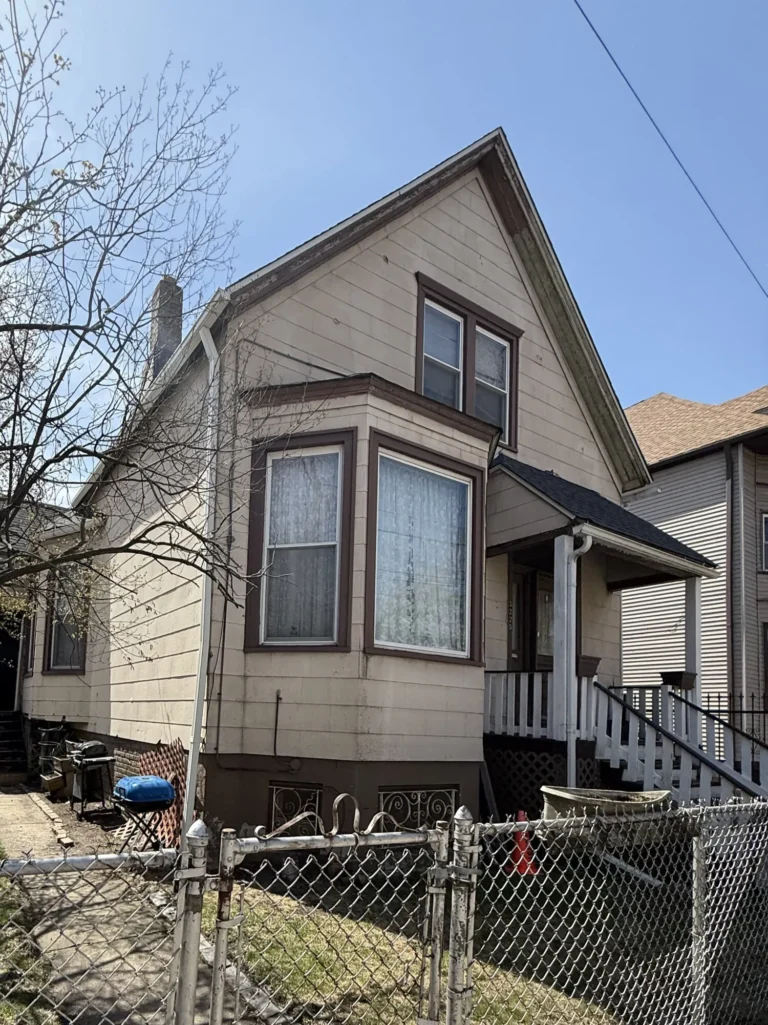

How Kent, WA Home Sellers Can Weigh Speed, Price, and Risk
Key Takeaways
- A faster closing can reduce ongoing ownership costs, but the right choice depends on estimated net proceeds.
- Sale price, buyer reliability, repairs, fees, contingencies, and closing timing should all be compared.
- Kent neighborhoods and property types can attract different buyer interest and require different selling strategies.
- Every seller should read the complete agreement, verify the buyer, and understand all costs before signing.
Selling a home in Kent, Washington can involve more than choosing the highest number on an offer sheet. A relocation, inherited property, changing household needs, costly repairs, or a tight financial timeline may make certainty and timing just as important as price. Homeowners considering a quicker route can review options for https://www.seriouscashoffer.com/sell-my-house-fast-kent-wa/ alongside a traditional listing or owner-managed sale.
Why Selling Speed Matters in Kent
Each extra month of ownership can bring another mortgage payment, property tax obligation, insurance bill, utility charge, and maintenance task. A vacant home may also require regular checks and yard care. For a seller who needs to move quickly, a lower offer that closes on a dependable date can sometimes leave more usable proceeds than a higher offer that requires months of preparation and carries a meaningful risk of delay.
What Local Conditions Mean for Sellers
Kent is a large and varied city in south King County, with residential areas on East Hill and West Hill and a valley area that includes industrial, commercial, and residential uses. Those local differences can affect buyer expectations for commute access, lot size, parking, condition, and nearby amenities. Citywide pricing headlines are useful only as a starting point. A better comparison uses recently sold homes that are similar in location, size, age, and condition.
Three Common Ways to Sell a Kent Home
A traditional agent listing can provide broad exposure and professional marketing, but it may involve cleaning, repairs, showings, negotiations, and buyer financing. A for-sale-by-owner transaction may reduce commission expenses, but the owner is responsible for pricing, advertising, screening, contract coordination, and disclosure. A private cash sale may suit an owner who prefers an as-is sale, fewer showings, or a defined timeline. Sellers exploring private-sale options can also review https://seriouscashoffer.com/ as part of a wider comparison process.
Compare Offers Beyond the Headline Price
The important number is not simply the purchase price. It is the amount remaining after all agreed costs and obligations have been paid.
- Start with the offered purchase price.
- Subtract the mortgage payoff, liens, property taxes, and unpaid utilities that must be settled at closing.
- Include commissions, escrow and title charges, repair work, concessions, cleaning, staging, and moving expenses where applicable.
- Consider the expected closing date and the cost of carrying the home until that date.
- Review inspection, appraisal, financing, and sale-of-another-property contingencies that could change the outcome.
For example, a retail offer of $600,000 might look stronger than an as-is offer of $570,000. Yet the difference can narrow if the first path requires repairs, seller credits, agent compensation, and several additional months of ownership. These figures are only an illustration, not a valuation or prediction.

When a Cash Offer May Fit a Kent Property
A cash offer may be worth considering when a house needs major work, has deferred maintenance, contains outdated systems, or would be difficult to prepare for lender-backed buyers. It can also be practical for inherited homes needing cleanout, rentals with tenant-related complications, or properties where the owner wants a known closing date. Cash does not automatically mean the best price, and it does not eliminate title, probate, lien, or document issues. It simply removes the buyer’s mortgage approval from the transaction.
Steps for Reviewing a Fast-Sale Offer
- Verify the buyer. Request the buyer’s legal name, reliable contact information, and proof that funds are available.
- Read the full contract. Confirm price, earnest money, closing date, possession date, inspection rights, and cancellation provisions.
- Identify every cost. Ask who will pay the title, escrow, recording, repair, and other closing-related charges.
- Review assignment language. Determine whether the buyer intends to close personally or transfer the purchase contract.
- Use neutral closing professionals. A title and escrow provider can help administer funds and documents under the agreement.
Clear business identity and accurate claims matter when evaluating marketing and offers. Washington’s real estate advertising guidelines provide useful context for evaluating representations made by licensed real estate professionals.
Documents to Gather Before Selling
Organized paperwork can prevent last-minute surprises. Collect government identification, mortgage payoff information, recent tax statements, homeowners association documents, leases for occupied rentals, repair records, warranties, insurance claim information, and documents relating to trusts, probate, liens, or judgments. If personal property will remain or tenants occupy the home, put the agreed handling of those issues in writing.
Local Details That Can Affect a Kent Sale
Property type matters. Detached houses, condos, townhomes, manufactured homes, duplexes, and vacant land can each involve different buyer pools and document requirements. Proximity to major roads, transit, commercial areas, parks, and employment centers may influence buyer priorities. Sellers should also consider drainage, roof condition, foundation concerns, parking, lot configuration, zoning, accessory dwelling units, and rental restrictions. The broader geography of Kent includes East Hill, West Hill, and the Kent Valley, underscoring why neighborhood-specific comparisons are more useful than a single general estimate.
Warning Signs of a Risky Fast-Sale Deal
- Pressure to sign immediately or avoid reviewing the paperwork.
- Unclear buyer identity, missing contact details, or no evidence of available funds.
- Large upfront fees before a genuine offer is presented.
- Vague answers about closing costs, inspection rights, or cancellation terms.
- Last-minute price reductions that are not supported by the written agreement.
- Requests to send money through unusual payment methods or avoid a recognized title and escrow provider.
Questions to Ask Before Choosing a Method
Before accepting any offer, ask how long you can reasonably wait, whether you can afford repairs and carrying costs, whether you need a specific closing date, and what will remain after all deductions. Consider whether the home is vacant, tenant-occupied, inherited, or connected to an estate. Obtain more than one opinion when time permits, and seek advice from a qualified real estate, legal, or tax professional if the terms are unclear.
Common Questions About Selling Fast in Kent
Can a Kent home be sold without major repairs?
Yes. Some buyers purchase homes in their current condition, although repair needs may affect price, contingency terms, or the buyer’s requested credits.
Does a cash sale always close faster?
Not always. Cash can remove lender underwriting, but title defects, liens, probate matters, inspections, and incomplete documents may still postpone closing.
Should a seller accept the first offer?
Not without comparing the full terms, likely net proceeds, buyer strength, and the seller’s timeline.
Final Checklist Before Signing
Review the complete agreement, verify the buyer and source of funds, confirm the title and escrow company, request a written cost breakdown, and check the closing and possession dates. Disclose known property conditions honestly, clarify how liens, tenants, taxes, and personal items will be handled, and pause for professional advice if any term feels rushed or confusing. The strongest Kent home sale is one that fits the seller’s timeline while protecting the seller’s financial and legal interests.