Selling a Brantford, Ontario Home As-Is: Repairs, Timing, and Smart Sale Choices
Key Takeaways
- Not every Brantford property needs a complete renovation before it is sold.
- Safety concerns, active water issues, and basic maintenance problems deserve priority over cosmetic luxury upgrades.
- A higher sale price does not always mean more money after repairs, carrying costs, and transaction expenses.
- Recent local comparable sales are more useful than outdated peak prices or broad online estimates.
- Properties with older systems, basement moisture, tenants, or unpermitted work need extra care before a sale.
Selling a home as-is in Brantford, Ontario, can be a practical decision when repairs feel overwhelming, a move cannot wait, or an inherited property needs to be handled without a long renovation process. Homeowners who want to understand a direct-sale option can review https://selltobloomhomes.com/we-buy-houses-in-brantford-ontario/ while comparing it with a conventional listing and other approaches.
An as-is sale does not mean a seller can ignore known problems or make misleading statements about the home. It generally means the property is being offered in its present condition, with the buyer expected to account for needed work in the offer. The right choice depends on the home’s condition, the seller’s deadline, and the net proceeds after all costs are deducted.
Why an As-Is Sale Can Make Sense in Brantford
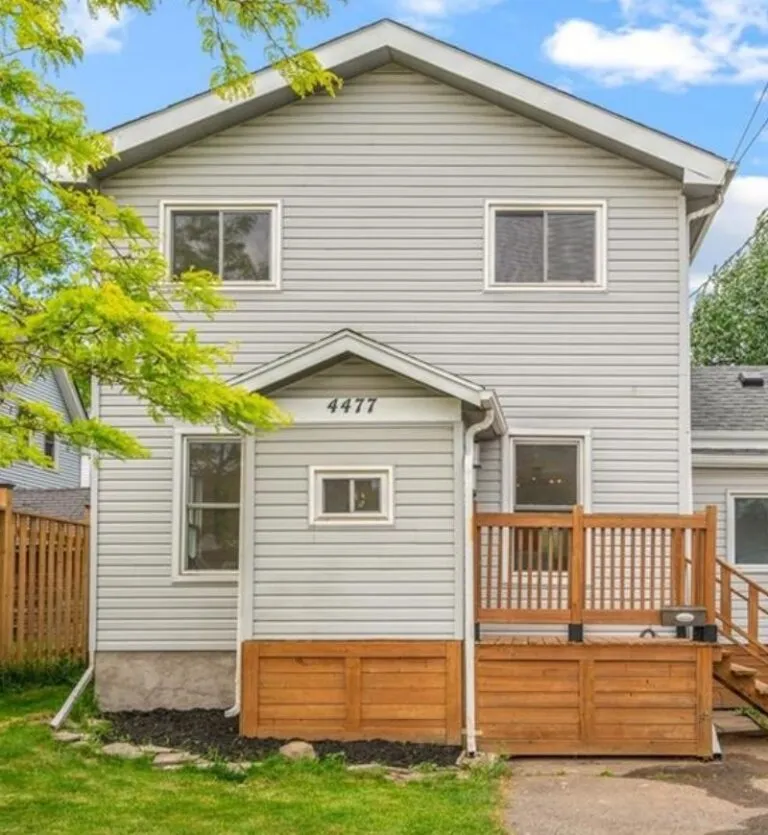
Brantford has a mix of older central neighborhood homes, established family areas, newer subdivisions, and edge-of-city properties. That variety means sellers face very different repair decisions. A homeowner with an aging furnace, dated kitchen, and limited savings may not benefit from trying to make the house look like a newly built property.
As-is selling can suit an owner dealing with deferred maintenance, a sudden work relocation, a rental property, an estate, or a mortgage deadline. For homeowners evaluating convenience alongside price, https://selltobloomhomes.com/ is one example of a direct-sale route to compare with listing through an agent.
Consider an owner who needs to move within six weeks. Spending months coordinating contractors, selecting finishes, and waiting for inspections could increase stress and monthly expenses. Selling sooner at a lower price may still be the better financial outcome if it prevents ongoing payments for mortgage, utilities, insurance, and repairs.
What the 2026 Brantford Market Means for Sellers
Housing conditions are local and property-specific. A clean, well-maintained home in a desirable area may attract different interest than a house that needs major updates, even when both are in Brantford. Buyers often compare condition, location, layout, and expected repair costs before deciding what to offer.
Before choosing a price or sale path, review recent sales of genuinely similar homes. Compare lot size, age, finished space, parking, condition, and required repairs. Older values and automated estimates may not reflect what buyers will pay for a property in its current state.
Repairs Worth Addressing Before Selling
The goal is not perfection. Focus first on issues that create a safety concern, discourage showings, or cause buyers to expect a steep discount.
- Safety: Repair loose railings, broken steps, exposed wiring, missing smoke alarms, and hazardous walkways.
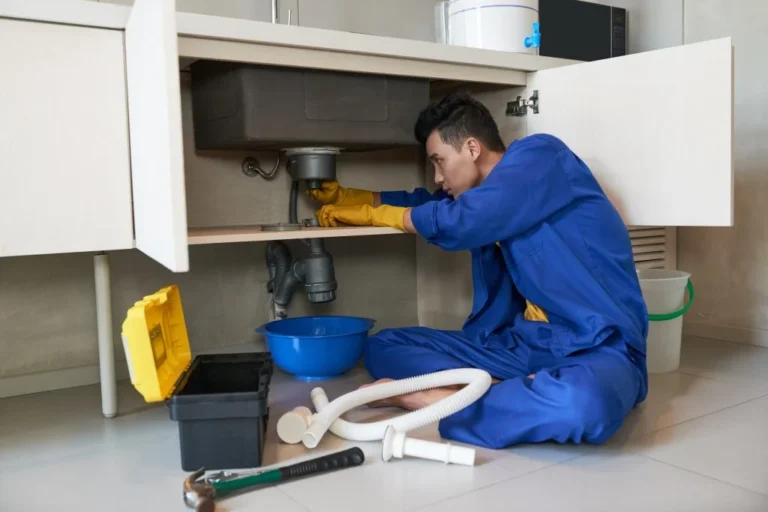
- Water management: Investigate active leaks, blocked eavestroughs, poor grading, damp basement areas, and failed sump equipment.
- Core systems: Address clearly failing heating, plumbing, electrical, or ventilation systems when feasible.
- Presentation: Remove clutter, control strong odors, clean thoroughly, and maintain the exterior.
- Records: Gather permits, warranties, invoices, utility information, and service history.
Upgrades That May Not Pay Back
A full kitchen renovation, luxury bathroom, custom finishes, or major addition may not be the right investment before a quick sale. Sellers should ask whether the work addresses a serious buyer concern, can be completed before the desired closing date, and is likely to increase the property’s value by more than its total cost.
Get written estimates from qualified contractors before committing. Separate urgent repairs from optional upgrades so the decision is based on real numbers rather than optimism about a future list price.
Brantford Property Issues That Need Extra Review
Older homes may need closer attention to plumbing, electrical panels, insulation, foundations, roofing, and earlier renovations. Basement moisture also warrants careful review, particularly where drainage or sump systems are in question. The City of Brantford notes that its basement flooding prevention program is temporarily paused while requirements are updated.
Before advertising a finished basement, addition, or secondary unit, confirm that it has the required permits, zoning status, and legal use. Rural and edge-of-city properties may also require review of wells, septic systems, drainage, access, and outbuildings.
Three Ways to Sell an As-Is Home
1. Traditional Listing
This can offer broad buyer exposure and the possibility of competing offers. It may also involve preparation costs, showings, buyer inspections, financing conditions, commissions, and a less certain timeline.
2. Listing With Limited Preparation
This middle-ground approach emphasizes cleaning, photos, honest property details, and a short list of practical repairs. It may work well when a home needs updating but remains functional and financeable.
3. Direct or Cash Sale
A direct sale can reduce public showings and simplify the timeline. In exchange, the offer may be lower than the potential price of a fully prepared retail listing. Review the deposit, conditions, closing date, costs, and property condition terms in writing before signing.
Estimate Net Proceeds, Not Just Sale Price
Estimated net proceeds = sale price − repairs − carrying costs − legal costs − commissions − moving costs − other transaction expenses.
Carrying costs can include mortgage interest, property taxes, insurance, utilities, lawn care, snow removal, and maintenance for vacant homes. Ontario sellers should also seek professional advice when needed, especially when the property has tenants, multiple owners, liens, estate issues, or an unusual title history.
A Seven-Step Plan for Brantford Sellers
- Set the main priority: price, speed, privacy, certainty, or convenience.
- Collect property records, tax information, mortgage details, permits, and repair invoices.
- Inspect major risks involving the roof, basement, foundation, systems, and drainage.
- Obtain written estimates for urgent work.
- Compare a traditional listing, a limited-preparation listing, and a direct offer.
- Have an Ontario real estate lawyer review the agreement before signing.
- Choose the option that best fits the full financial and personal picture.
Questions to Ask Before Accepting an Offer
- Does the buyer have financing or proof of available funds?
- Are inspection, financing, appraisal, or sale-of-property conditions included?
- What deposit is required, and when is it due?
- Will the closing date work with the seller’s move?
- Does the agreement clearly state that the buyer accepts the property in its current condition?
- What happens if the buyer does not close?
Frequently Asked Questions
Does selling as-is mean no repairs are allowed?
No. Sellers can still complete safety repairs, cleanup, and small improvements. As-is usually means the property will not receive a complete renovation before closing.
Will an as-is sale always bring a lower offer?
Not always, but buyers commonly account for repair costs, uncertainty, and time in their offers. The final result depends on the property, buyer demand, and sale terms.
Should a seller get an inspection first?
A pre-listing inspection can help identify concerns before negotiations begin, especially for older homes or properties with additions and finished basement areas.
Conclusion
Selling a home as-is in Brantford can be a sensible choice when timing, repair costs, or personal circumstances make a fully prepared listing unrealistic. Compare every option using condition, recent local sales, carrying costs, legal needs, and closing certainty. The strongest decision is the one that supports the seller’s complete financial picture, not simply the highest advertised price.