
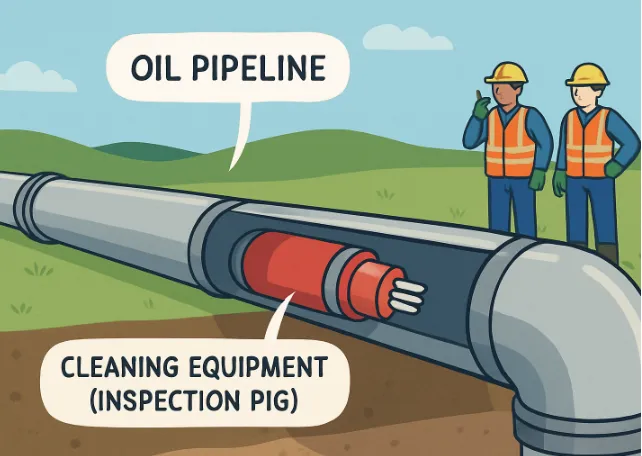
Ensuring Safety in Pipeline Cleaning Operations: Practices & Standards
Pipeline cleaning is an indispensable practice for maintaining the health and performance of oil and gas transportation networks. Beyond ensuring efficient material flow, regular cleaning activities play a direct role in protecting against blockages, corrosion, operational hazards, and environmental disasters. Leveraging modern technologies, such as a pipeline debris tool for mapping and cleaning efficiency enables pipeline operators to identify issues early, streamline cleaning efforts, and dramatically reduce risk—ultimately safeguarding workers, communities, and the environment.
Also Read: Enhancing Your Horse’s Performance with Cavaletti Training
Adhering to industry standards and safety protocols in pipeline cleaning is essential to prevent downtime, spills, and explosions. Advances in inspection, debris mapping, and automation improve safety in the oil and gas sector. Understanding regulations and fostering a strong safety culture are essential for ensuring operational excellence and maintaining public confidence. This article explores pipeline cleaning, its risks, regulatory updates, and safe practice guidelines.
Importance of Pipeline Cleaning
Pipelines serve as the lifelines for transporting oil, gas, and other critical resources across vast distances. As these materials travel through steel arteries buried underground or stretched across landscapes, natural byproducts—including scale, wax, sand, and microbial residues—gradually build up within the pipeline’s interior walls.
If left unaddressed, such debris can restrict flow, elevate pressure, erode structural integrity, and increase the likelihood of leaks or ruptures. Proactive cleaning helps avoid these outcomes by restoring optimal flow conditions and reducing the risk of catastrophic failures. According to the U.S. Energy Information Administration, regular, well-executed cleaning schedules can directly extend the expected service life of pipeline assets and help operators maintain compliance with evolving federal and state regulations.
Common Hazards in Pipeline Cleaning
Pipeline cleaning operations carry inherent risks. Personnel may encounter hazardous chemicals, combustible gases, or high-pressure environments. A well-known example involved the Keystone Pipeline, which experienced a significant oil spill in North Dakota—attributed to a fatigue crack, ultimately traced back to insufficient inspection and debris removal.
There is also the danger of physical injury from pressurized equipment, the possibility of ignition from flammable residues, and the risk of operational errors during cleaning pig insertion and retrieval. Routine risk assessments and robust hazard mitigation plans are essential to ensure the well-being of all involved.
Regulatory Framework and Standards
To help manage and reduce hazards, the U.S. Department of Transportation’s Pipeline and Hazardous Materials Safety Administration (PHMSA) prescribes strict operational standards and guidelines. In recent years, PHMSA has prioritized the modernization of methane emissions detection and advanced leak reporting, culminating in an ambitious rule update expected to be enacted in January 2025. These federal initiatives encourage the use of modern sensor technologies and digital mapping systems, ultimately promoting safer and more environmentally responsible pipeline operations.
Globally, organizations such as the International Organization for Standardization (ISO) and the American Petroleum Institute (API) also provide comprehensive guidelines for safety, inspection, and documentation during routine pipeline cleaning and maintenance. Operators are required to stay informed of these best practices as enforcement and public scrutiny increase each year.
Best Practices for Safe Pipeline Cleaning
- Comprehensive Risk Assessment: Begin every cleaning project with a complete hazard evaluation. Assess the type and condition of residues, the presence of toxins, and any unique operational or geographic challenges, and tailor safety plans accordingly.
- Utilization of Advanced Leak Detection Technologies: Implement digital pig tracking, sensor arrays, and high-sensitivity methane detectors to identify anomalies or leaks throughout the process rapidly. Integrating tools that map debris and assess cleaning progress in real-time can drive higher levels of both efficiency and safety.
- Regular Training and Drills: Ensure all employees participate regularly in training programs on safe handling, emergency shutdown procedures, evacuation protocols, and incident reporting. Tabletop and live drills reinforce knowledge and preparedness.
- Adherence to Regulatory Standards: Maintain up-to-date records of all cleaning operations, incident responses, and risk assessments to demonstrate compliance with relevant regulations. Regularly audit procedures against both internal SOPs and external regulations.
- Environmental Considerations: Ensure that any removed debris, cleaning media, or hazardous chemicals are stored, handled, and disposed of in accordance with established environmental guidelines, thereby reducing risks to local ecosystems and water sources.
Conclusion
Safety in pipeline cleaning operations demands a proactive, well-structured approach backed by regulatory compliance, advanced tools, ongoing training, and a commitment to environmental stewardship. By learning from past incidents, embracing technology, and rigorously implementing established standards, operators protect their assets, employees, and the communities they serve—ensuring reliability and trust in critical energy infrastructure.