How to Extend the Life of Your HVAC System?
Your HVAC system is one of the most important components of your home, working year-round to keep indoor temperatures comfortable regardless of the season. Like any mechanical system, it requires care, attention, and regular maintenance to ensure longevity and efficiency. Proper maintenance not only prevents costly repairs but also improves performance and reduces energy consumption. Extending the life of your HVAC system starts with understanding how it operates, identifying early signs of wear, and maintaining consistent service habits. With the right approach, homeowners can enjoy years of dependable comfort while keeping energy costs under control.
Also Read: Why Your Competitor’s Pricing Bot Might Be Your Best Business Teacher
Understanding the Importance of Routine Maintenance
Routine maintenance is the cornerstone of a long-lasting HVAC system. Regularly scheduled checkups help prevent minor issues from becoming major breakdowns. During inspections, technicians clean filters, coils, and ducts, ensuring that airflow remains unobstructed and components operate smoothly. Dirt accumulation is one of the leading causes of inefficiency, forcing the system to work harder to maintain desired temperatures. This extra strain not only increases energy consumption but also accelerates wear and tear on the unit. Routine servicing enables early detection of potential problems, such as refrigerant leaks, electrical faults, or damaged components. Regular attention extends the system’s lifespan by maintaining optimal efficiency and preventing costly replacements. Homeowners who commit to consistent maintenance find their systems perform more quietly, heat and cool more evenly, and consume less power throughout the year. Proper care is an investment that pays off with reliability and comfort over time.
The unseen network of air channels within a home is arguably just as important as the furnace or air conditioner itself. When these systems are outdated or improperly configured, they can compromise everything from temperature control to indoor air quality. Many homeowners find that their rooms remain inconsistently cooled despite running the AC around the clock. Often, this issue is a direct result of restricted airflow or leaky joints that waste conditioned air in unconditioned spaces. Investing in custom ductwork merritt island allows for a more tailored distribution of air that matches the specific layout of a property. By ensuring every connection is tight and every run is optimized, you can significantly reduce the strain on your equipment and lower monthly energy costs.
Partnering with Professionals for Long-Term Care
Professional servicing is another key factor in extending the life of your HVAC system. While homeowners can handle tasks like replacing filters or cleaning vents, professional technicians possess the knowledge and tools required for in-depth inspections. They can identify inefficiencies that might otherwise go unnoticed and ensure that components like compressors and fans operate at peak capacity. Building a relationship with a trusted technician ensures that your system receives consistent, high-quality care tailored to its specific design. The local contractor for HVAC services can also recommend energy-efficient upgrades or small adjustments that improve performance without costly overhauls. Professionals calibrate thermostats, check duct sealing, and verify electrical connections to ensure seamless operation. Partnering with qualified service providers keeps your system running efficiently, reduces unexpected failures, and maintains warranty coverage. This proactive approach ensures your HVAC unit continues to deliver comfort while avoiding unnecessary strain and premature wear.
The Role of Air Filters and Airflow
Air filters play a crucial role in maintaining both system performance and indoor air quality. When filters become clogged with dust, pollen, or debris, the system must work harder to move air through restricted passages. This overexertion can lead to overheating, damaged components, and reduced efficiency. Clean filters not only protect your equipment but also ensure that the air circulating throughout your home remains fresh and breathable. Filters should generally be replaced or cleaned every one to three months, depending on household size, pets, and environmental factors. In addition to maintaining filters, homeowners should ensure vents and registers are unobstructed by furniture or drapes. Adequate airflow allows the system to distribute air evenly, avoiding hot or cold spots that strain the unit. Small actions like these can significantly reduce the HVAC system’s workload, resulting in better performance and a longer operating life. Consistent airflow is the foundation of overall system health.
Balancing Energy Efficiency and Performance
Energy efficiency directly affects how long your HVAC system lasts. When a system runs efficiently, it consumes less energy and endures less mechanical stress. Inefficient systems often cycle on and off too frequently or run longer than necessary, which can shorten their lifespan. To maintain efficiency, homeowners should keep thermostats at moderate settings and avoid frequent adjustments. Investing in programmable or smart thermostats can further optimize temperature control by automatically adjusting settings based on daily routines. Proper insulation also supports energy efficiency by reducing the workload on heating and cooling equipment. Sealing leaks around windows, doors, and ductwork keeps conditioned air inside, reducing waste and maintaining comfort. These steps reduce unnecessary strain on components such as compressors and motors, helping them function smoothly for years. Balancing efficiency and performance not only extends the system’s life but also reduces monthly energy expenses.
Recognizing and Responding to Warning Signs
An HVAC system often shows early signs of trouble before a major failure occurs. Strange noises, inconsistent airflow, or unusual odors may indicate mechanical issues that require immediate attention. Ignoring these warning signs can lead to more extensive and costly repairs down the line. Homeowners should also monitor energy bills—sudden increases can suggest that the system is working harder than it should. Addressing small problems quickly prevents them from escalating and protects key components from further damage. It’s equally important to schedule professional inspections at the first sign of trouble, rather than attempting DIY fixes that may worsen the issue. Staying proactive with system maintenance ensures reliability and prevents unexpected breakdowns, especially during extreme weather. Recognizing when your HVAC needs attention is part of maintaining a healthy and efficient system. Timely intervention keeps both comfort and performance consistent throughout the year.
Maintaining Clean Components and Outdoor Units
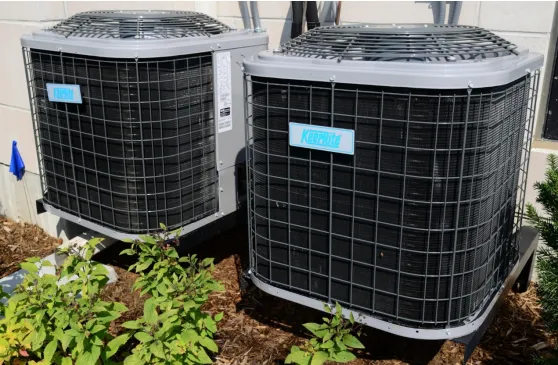
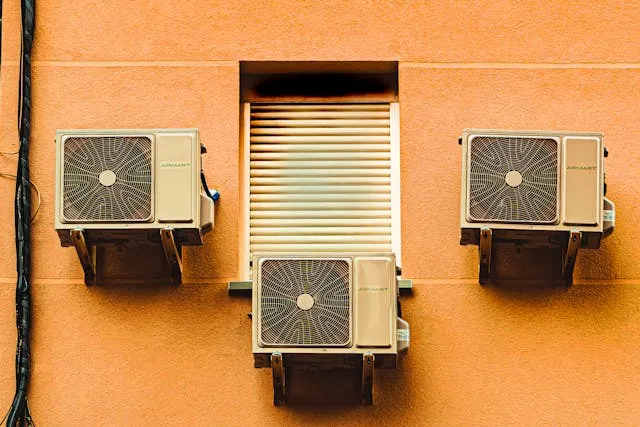
Outdoor HVAC units are particularly vulnerable to environmental debris such as leaves, dirt, and grass clippings. When buildup accumulates around the condenser, airflow becomes restricted, reducing cooling efficiency and forcing the system to work harder. Homeowners should regularly clean around the outdoor unit, maintaining at least two feet of clearance for optimal ventilation. It’s also advisable to cover the unit during off-seasons, especially in areas prone to snow or heavy rainfall. Indoors, keeping vents and coils clean prevents dust and grime from interfering with airflow and heat transfer. A clean system not only functions more effectively but also avoids corrosion and overheating issues. Regular cleaning combined with professional servicing can extend the system’s lifespan by reducing wear on critical parts. By maintaining cleanliness both indoors and outdoors, homeowners can ensure consistent operation and prevent avoidable malfunctions. Proper care minimizes stress on components and maximizes energy efficiency year-round.
Extending the life of your HVAC system requires a balanced combination of consistent maintenance, professional care, and mindful usage. Regular inspections, clean filters, and proper airflow all contribute to smoother operation and fewer breakdowns. Partnering with trusted technicians ensures that your system remains in peak condition and operates safely for years to come. Energy-efficient practices, attention to early warning signs, and routine cleaning create a reliable foundation for long-term performance. By staying proactive and informed, homeowners can protect their investment while maintaining year-round comfort. A well-cared-for HVAC system doesn’t just provide heating and cooling—it provides lasting peace of mind.